Read Tags at the Counter, Not Across the Room
Over 100cm of range on an Impinj M750 tag, 100+ tags inventoried in 5 seconds, and output power you set anywhere from 1dBm to 30dBm.
The R3 reads UHF tags inside arm's reach and stops there, which is what a service window, a workbench, or a receiving desk actually needs. Its engine is based on Impinj E Series chips and supports Impinj Gen2X. Three band builds are offered, 865-868 MHz, 920-925 MHz, and 902-928 MHz, and the band is custom-designed for the site the reader will work at. Everything else is shared: one 318 mm square enclosure, one USB Type-C connection to the host, and Bluetooth Low Energy (BLE) 4.0 when that host is a phone or tablet. SDKs cover Windows and Android over USB, Android and iOS over Bluetooth.
- Impinj E SeriesChips behind the engine
- Impinj Gen2XSupported by the engine
- EPC C1 GEN2UHF air interface
- ISO18000-6CThe same interface, by ISO
- Impinj M750Tag behind the read range
- Three UHF band buildsCustom-designed per order
- Bluetooth Low EnergyBLE 4.0 radio link
- USB Type-C portData communication
- Powered over Type-CBus power from the host
- Windows SDKUSB transport to the PC
- Android SDKBoth transports supported
- iOS SDKBluetooth transport
Overview
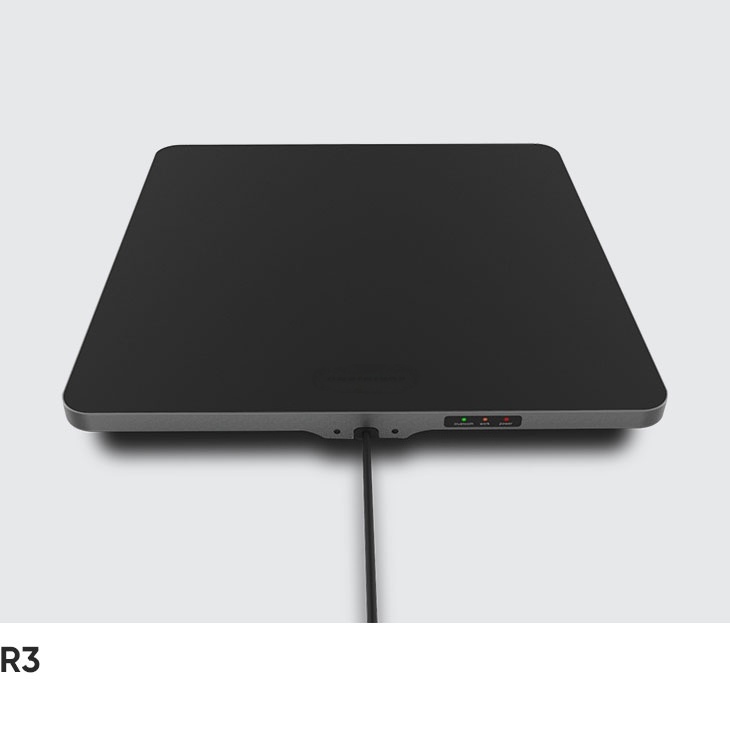
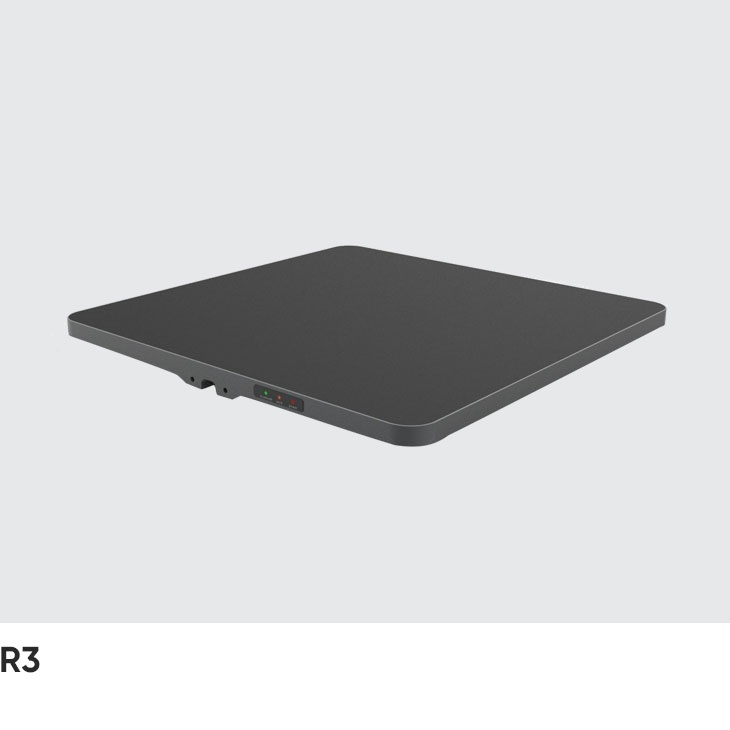
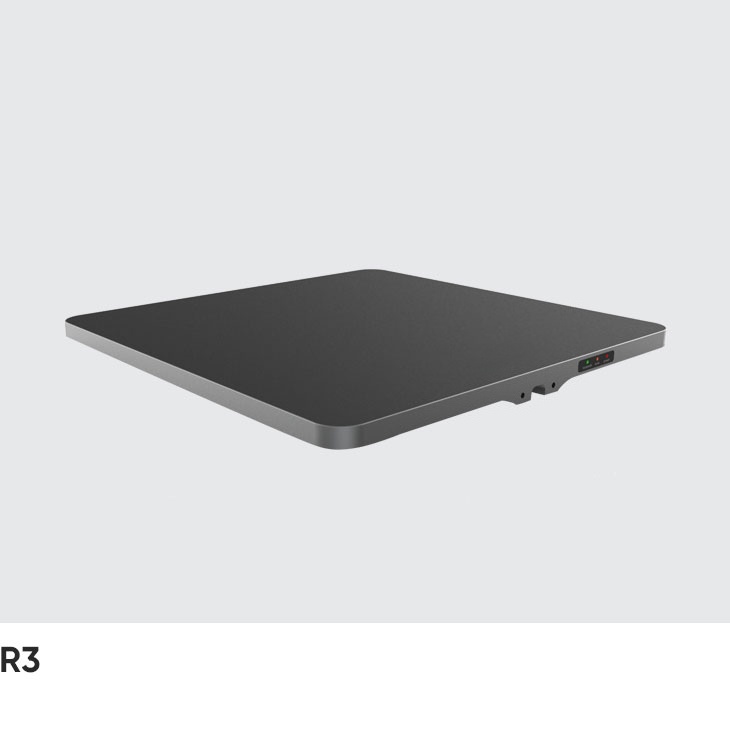
The R3 is a flat desktop reader for UHF work that happens within arm's reach: encoding a new tag, checking one that is already on an item, or clearing a small tray of goods at a retail collection point, a logistics desk, or an identity verification window. The reading face is 318 mm square, the whole unit is 20 mm thick, and it weighs 1133 g / 39.96 oz., so it lies flat on the work surface instead of taking up the space a person needs for their hands.
Short range is the design goal here, not a shortfall. Output power sets anywhere from 1dBm to 30dBm in 1dBm steps, so the field can be turned down for close work and back up again when a whole tray has to be counted in one pass: the reader takes 100+ tags in 5 seconds, and the read range on an Impinj M750 tag is listed at over 100cm.
The UHF engine is based on Impinj E Series chips, supports Impinj Gen2X, and works to EPC C1 GEN2 / ISO18000-6C. Hosts connect over USB Type-C or Bluetooth Low Energy (BLE) 4.0, with SDKs for Windows and Android across USB and for Android and iOS across Bluetooth, and the front edge carries three LEDs for power, Bluetooth connection status, and scanning activity. Explore the full range of fixed RFID readers.
Key Features
Host Connections and SDKs
- Bluetooth Low Energy (BLE) 4.0
- USB Type-C data communication
- Powered from the USB Type-C port
- USB SDK for Android and Windows
- Bluetooth SDK for Android and iOS
Enclosure and Environment
- IP65 sealing
- 318 mm × 318 mm × 20 mm, 1133 g
- Operating temp. -20 °C to +50 °C
- Storage temp. -40 °C to +70 °C
- 5%RH - 95%RH non condensing
UHF Reading Performance
- Based on Impinj E Series chips
- Impinj Gen2X supported
- 1dBm-30dBm, 1dBm (Stepper)
- Read range >100cm, Impinj M750
- 100+ tags (in 5s)
Features & Functions at a Glance
Choose Your Configuration
| Feature | R3 / 865-868 MHz | R3 / 920-925 MHz | R3 / 902-928 MHz |
|---|---|---|---|
| Best for | Desks working to the 865-868 MHz allocation | Desks working to the 920-925 MHz allocation | Desks working to the 902-928 MHz allocation |
| Form factor | Desktop pad, 318 mm × 318 mm × 20 mm, 1133 g / 39.96 oz. | ||
| Reading engine | Identical in all 3 configurations | ||
| Engine | Based on Impinj E Series chips | ||
| Impinj Gen2X | Supported | ||
| Protocol | EPC C1 GEN2 / ISO18000-6C | ||
| Output Power | 1dBm-30dBm, 1dBm (Stepper) | ||
| Multi-tag Inventory | 100+ tags (in 5s) | ||
| Read Range | >100cm Impinj M750 tag | ||
| Band-specific build | The row below is the only difference | ||
| Frequency | 865-868 MHz | 920-925 MHz | 902-928 MHz |
| Platform | Common to all 3 configurations | ||
| Bluetooth | Bluetooth Low Energy (BLE) 4.0 | ||
| USB Type-C | Data Communication via USB | ||
| SDK | USB, Android /Windows Bluetooth, Android / IOS | ||
| Power Supply | USB Type-C | ||
| Indicator LED | Power BT connection status Working (flash when scanning tags) | ||
| Sealing | IP65 | ||
One enclosure, three band builds — the three configurations share the same housing, the same port, the same indicators and the same SDKs, so there is nothing to tell apart by eye. Only the radio differs, and the band is set before the unit is built.
Every value in this table matches the full Specifications section below.
A Closer Look at the Hardware
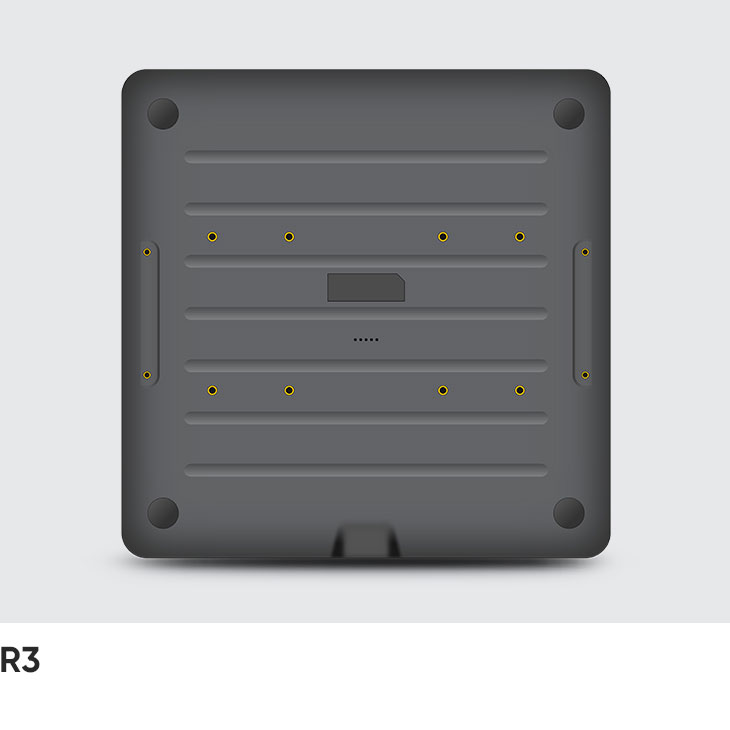
The base sits on four corner feetMolded ribs run the width of the underside and four feet carry the unit at its corners, so the pad stays flat and level on a desk. The recessed panel in the middle holds the product label.
20 mm from desk to reading faceThe enclosure measures 318 mm × 318 mm × 20 mm, and the reading face covers nearly the whole of the top surface. Nothing protrudes above it, so items slide on and off from any side.
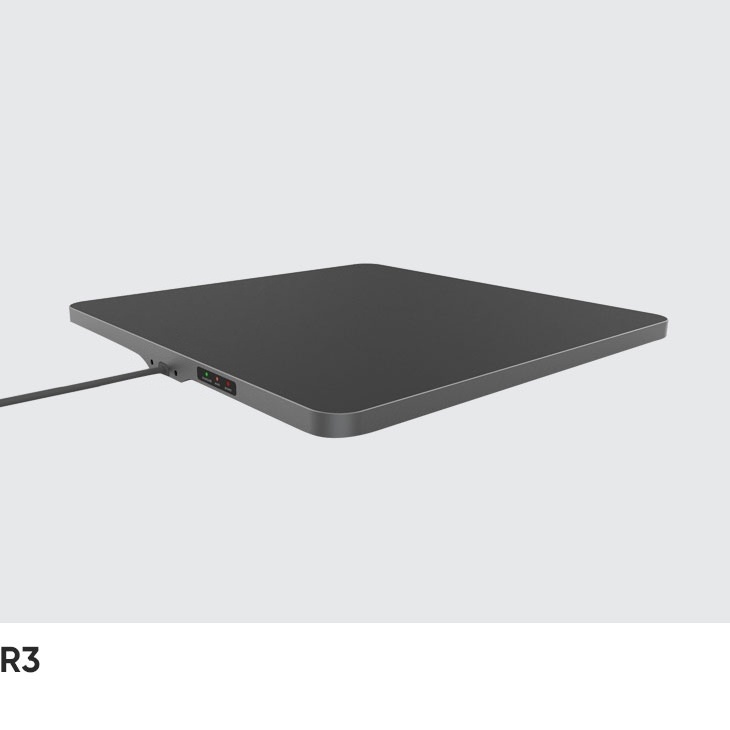
One cable enters at the front edgeThe USB Type-C port carries data and power on the same cable. Next to it sit the three Indicator LED positions, which show power, Bluetooth connection status, and scanning activity.
Specifications
Physical Characteristics
- Dimensions
- 318 mm × 318 mm × 20 mm
- Weight
- 1133 g / 39.96 oz.
- Indicator LED
- Power BT connection status Working (flash when scanning tags)
- Port
- USB Type-C
- Power Supply
- USB Type-C
Communication
- Bluetooth
- Bluetooth Low Energy (BLE) 4.0
- USB Type-C
- Data Communication via USB
Developing Environment
- SDK
- USB, Android /Windows Bluetooth, Android / IOS
User Environment
- Operating Temp.
- -20 °C to +50 °C
- Storage Temp.
- -40 °C to +70 °C
- Humidity
- 5%RH - 95%RH non condensing
- Sealing
- IP65
UHF RFID
- Engine
- Based on Impinj E Series chips
- Frequency
- 865-868 / 920-925 / 902-928 MHz ( custom-design for frequency band )
- Impinj Gen2X
- Supported
- Protocol
- EPC C1 GEN2 / ISO18000-6C
- Output Power
- 1dBm-30dBm, 1dBm (Stepper)
- Multi-tag Inventory
- 100+ tags (in 5s)
- Read Range
- >100cm Impinj M750 tag
Every row above is transcribed from the R3 configuration sheet. Items not listed there are not offered on this page.
Why Buy the R3 From CedaGlo
Components You Can Check
We name the chip family the engine is built on and the protocols it works to, so your engineers can read the component vendor's own documentation before a purchase order exists. Nothing on this page rests on our word alone.
Built to the Band You Order
The radio is designed for one of three bands and that choice happens before the unit is assembled, not afterwards in a menu. Tell us where the readers are going and we confirm the band in writing on the order.
Test It Before You Commit
Ask for a single unit and run it against the labels you actually use, the host software you already run, and the bench it will live on. A figure measured on someone else's bench tells you less than an afternoon of real traffic does.
Serviceable for the Long Run
Production lifetime, spare availability, and return handling are quoted as dates and terms on your order documents. We would rather write a shorter commitment we can keep than a longer one nobody signs.
Frequently Asked Questions
How far will the R3 actually read?
Read range is quoted at more than 100cm using an Impinj M750 tag. That figure is a reference measured with one specific tag, not a guarantee for every tag: range on your own labels depends on the tag model, on what the tag is stuck to, and on what stands near the reader. Output power is adjustable from 1dBm to 30dBm in 1dBm steps, so you can also turn the field down on purpose when a shorter reach is what the desk needs.
Which of the three configurations should I order?
The three builds differ in exactly one row of the configuration sheet: the frequency band, custom-designed as 865-868 MHz, 920-925 MHz or 902-928 MHz. Engine, protocols, output power, enclosure, port and SDKs are identical across all three. Pick the build that matches the UHF allocation in force where the reader will be installed, and settle it with us during quotation, because the band is fixed when the unit is made.
What is inside the reader?
The UHF engine is based on Impinj E Series chips and supports Impinj Gen2X. It works to EPC C1 GEN2 and ISO18000-6C, takes 100+ tags in 5s, and reaches 30dBm at the top of its output power range. Every one of those names is published by the component vendor or the standards body, so your team can verify them without going through us.
How long will the R3 stay available and supported?
Production lifetime, spare part availability and warranty length are confirmed in writing on your order documents rather than promised on a web page. Ask for those dates while you are getting the quotation and we will state them there, so the answer you get is the answer you can hold us to.
How rugged is it, and where can it work?
The configuration sheet lists IP65 sealing, an operating range of minus 20 to plus 50 degrees Celsius, storage from minus 40 to plus 70 degrees Celsius, and humidity of 5%RH to 95%RH non condensing. Those are the manufacturer design figures transcribed from that sheet. Test report numbers are not published here, so if your specification needs documentary evidence, ask for it before you order.
What does it take to keep an R3 running?
The reader draws its power from the same USB Type-C connection that carries the data, so there is nothing else to plug in and nothing else to service. Three LEDs on the front edge report power, Bluetooth connection status and scanning activity, which is usually enough to tell a host problem from a reader problem. Return handling and turnaround are agreed in writing when the order is placed.
Related Products
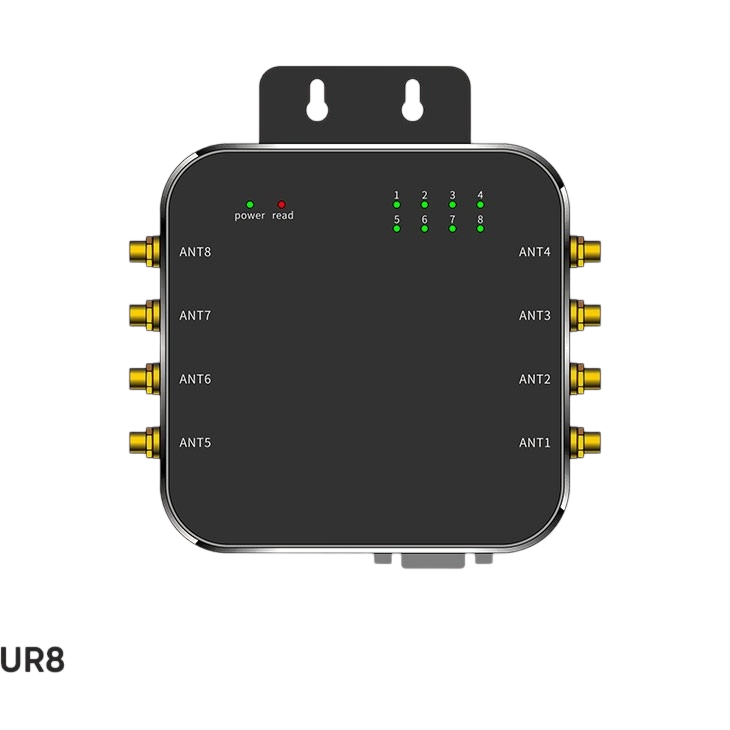
UR8 Eight Port Fixed UHF RFID Reader
The UR8 fixed UHF RFID reader drives eight 50 ohm SMA ports, reads 550+ tags/sec with circular polarization, and links to a host over RJ45 or RS-232.
View Details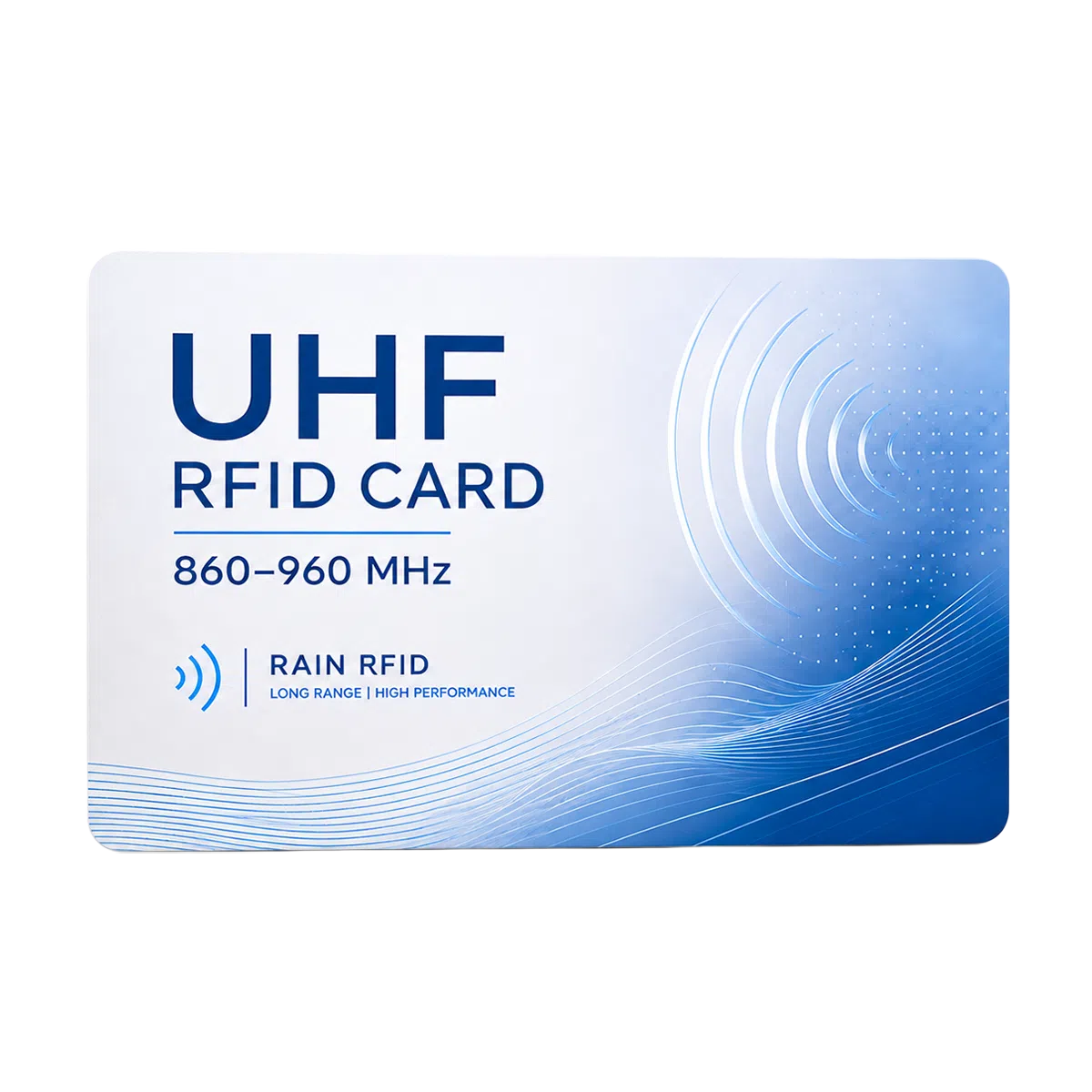
UHF Card | 860–960 MHz RAIN RFID Card
Standard CR80 UHF RFID cards with Impinj, NXP UCODE, Alien Higgs chip options. Ideal for parking, asset tracking & warehouse inventory. OEM/ODM available.
View Details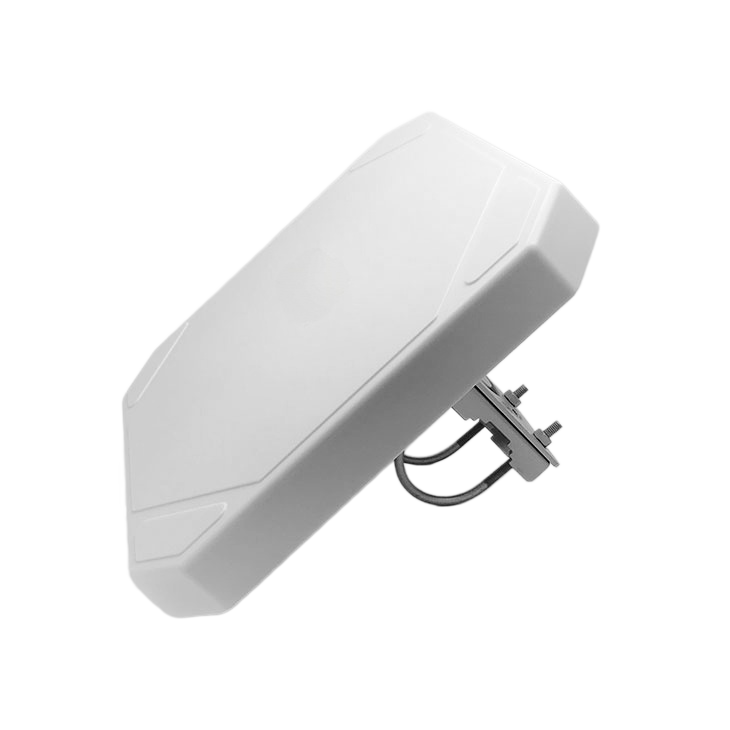
9dBi UHF RFID Panel Antenna
9dBi RHCP panel antenna, 60 by 55 degree 3dB beam-width, N-Type Female at 50 ohms, IP67 sealed, 255 by 255 by 30 mm.
View Details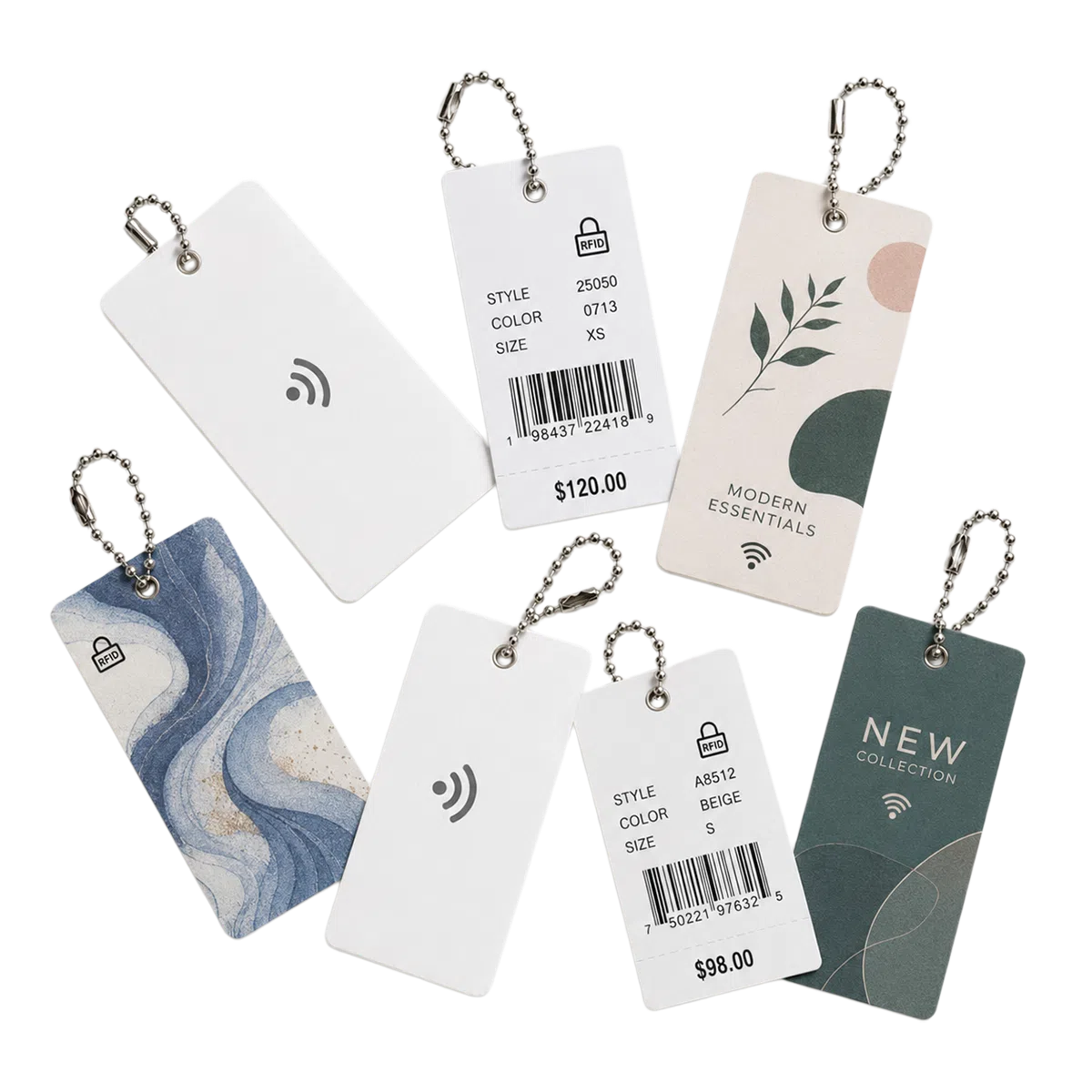
RFID Apparel Hang Tags for Retail Inventory & NFC Engagement
Custom RFID apparel hang tags from CedaGlo with UHF, NFC, barcode, QR code, artwork printing, EPC encoding and packaging options.
View DetailsSee the Numbers on Your Own Tags
The R3 reads past 100cm on an Impinj M750 tag, clears 100+ tags in 5s, and drops to 1dBm when the field needs to stay on one item. All three band builds run the same engine and the same SDKs, so you integrate once and deploy anywhere. Send us the tag you use, the band your site runs on, and the host you want it talking to.