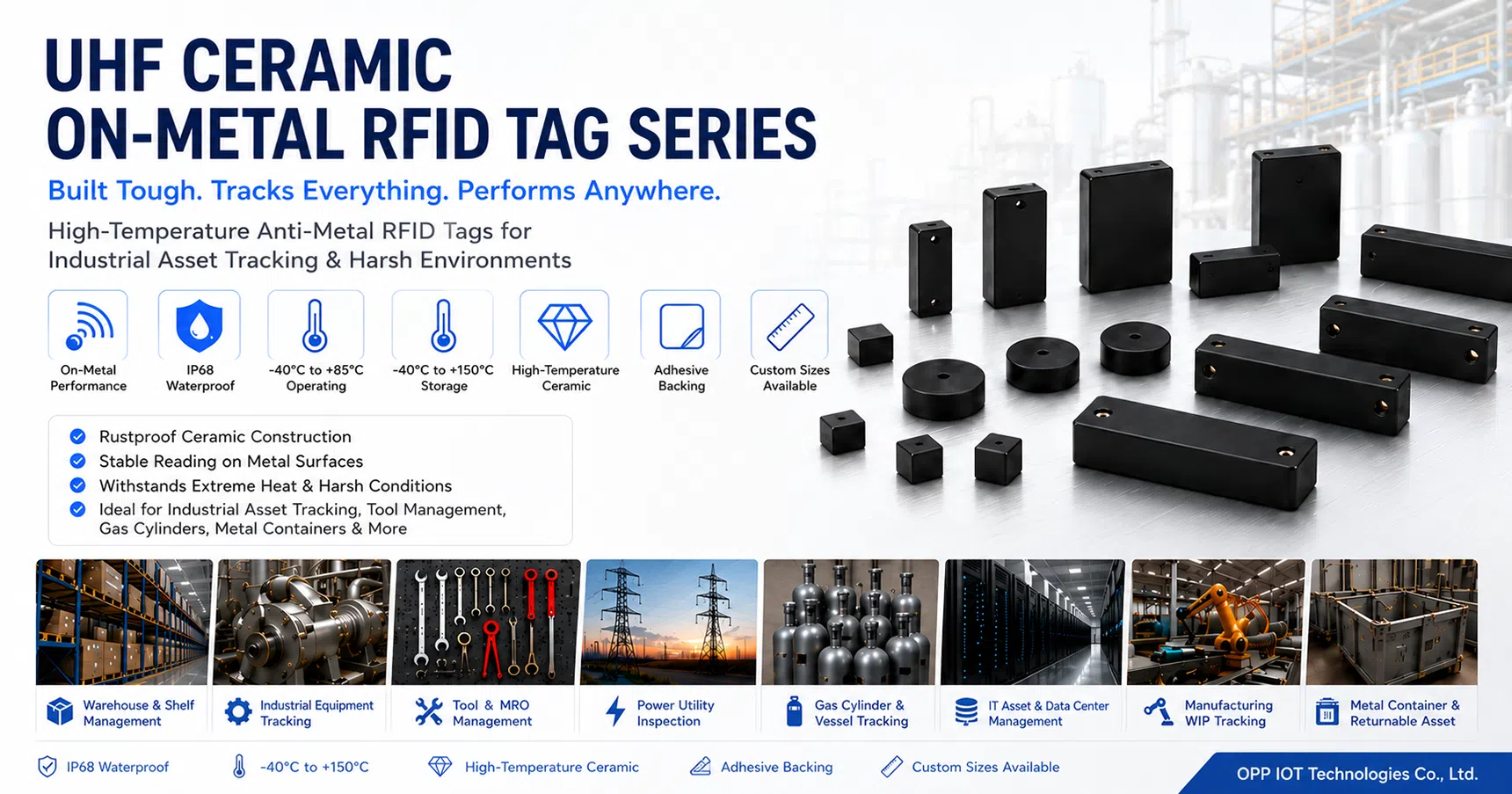
UHF Ceramic On-Metal RFID Tag Series
High-Temperature Anti-Metal RFID Tags for Industrial Asset Tracking & Harsh Environments
CedaGlo UHF ceramic on-metal RFID tags are engineered for reliable identification on metal surfaces in demanding industrial environments. With compact to long-range ceramic designs, IP68 sealed protection and stable UHF performance, these passive RFID tags suit asset tracking, tool management, manufacturing WIP, gas cylinder identification and returnable metal container tracking. Custom sizes, chip options, EPC encoding and marking are available for project-based applications.
- 📶On-Metal
Performance - 🛡️IP68
Protection - ⚙️Ceramic
Construction - 🎯Custom Sizes
& Encoding
UHF Ceramic On-Metal RFID Tags Overview
UHF ceramic on-metal RFID tags are compact passive RFID tags engineered for reading on metal surfaces. Standard RFID labels usually lose performance when attached directly to metal, because metal changes the antenna behavior and blocks or reflects RF signals. Ceramic anti-metal RFID tags use a high-permittivity ceramic body and an optimized antenna structure to improve UHF performance on metal assets.
CedaGlo UHF ceramic on-metal RFID tags support EPC Class 1 Gen 2 / ISO 18000-6C and operate in the global UHF band. They suit fixed assets, tools, molds, machinery, metal containers, gas cylinders, racks, returnable transport items and industrial equipment. The series includes very small models for miniature tools and embedded positions, as well as larger models for longer on-metal read range.
The ceramic body provides compact size, heat resistance, dimensional stability and good durability in industrial environments. With IP68 sealed protection and adhesive backing, the tags can be used in warehouse, factory, outdoor, maintenance and logistics workflows. For special projects, chip selection, memory, size, marking, EPC encoding, barcode / QR code and packaging can be customized.
Why Industrial Buyers Use Ceramic Anti-Metal RFID Tags
Industrial assets are often made of metal, used in harsh environments and difficult to identify with ordinary barcode labels. Tools, molds, containers, machinery parts and cylinders may be exposed to dust, water, oil, temperature change, vibration and repeated handling. Manual barcode scanning also requires line-of-sight access, which slows down warehouse and maintenance workflows.
Ceramic anti-metal RFID tags help these assets carry a durable digital identity. UHF reading enables faster non-contact identification, while the on-metal design makes the tag suitable for assets where standard RFID labels cannot perform reliably. Combined with EPC encoding, barcode / QR code and asset management software, the tags support asset visibility, tool check-in / check-out, inventory control, maintenance history and returnable asset management.
- UHF RFID tag that works directly on metal surfaces
- Small ceramic RFID tag for tools, molds and metal components
- IP68 sealed tag for dust, water and outdoor industrial use
- EPC Gen2 / ISO 18000-6C compatibility with existing UHF RFID systems
- Adhesive backing for quick mounting on flat metal assets
- Optional laser marking, logo, barcode and QR code
- EPC, TID, user memory or serial number encoding before shipment
- Multiple model sizes for different read-range requirements
- Sample testing before project deployment
- Custom packaging and asset data matching for system integrators
Product Highlights
- 📶Optimized On-Metal Performance
Ceramic design helps maintain stable UHF performance when mounted on metal assets.
- 📐Compact Model Range
From miniature models for tools to larger models for longer read distance.
- 🛡️IP68 Sealed Protection
Suitable for dust, water and demanding industrial environments.
- ⚙️Ceramic Construction
Ceramic body provides compact structure, heat resistance and industrial durability.
- 📡UHF RFID Compatibility
Supports EPC Class 1 Gen 2 / ISO 18000-6C for passive UHF RFID systems.
- 🔧Adhesive Mounting
Adhesive backing supports quick installation on selected metal surfaces.
- 📋Custom Marking
Logo, laser marking, barcode, QR code and serial number can be customized.
- 🎯Encoding Support
EPC, TID, user memory or project data can be encoded before shipment.
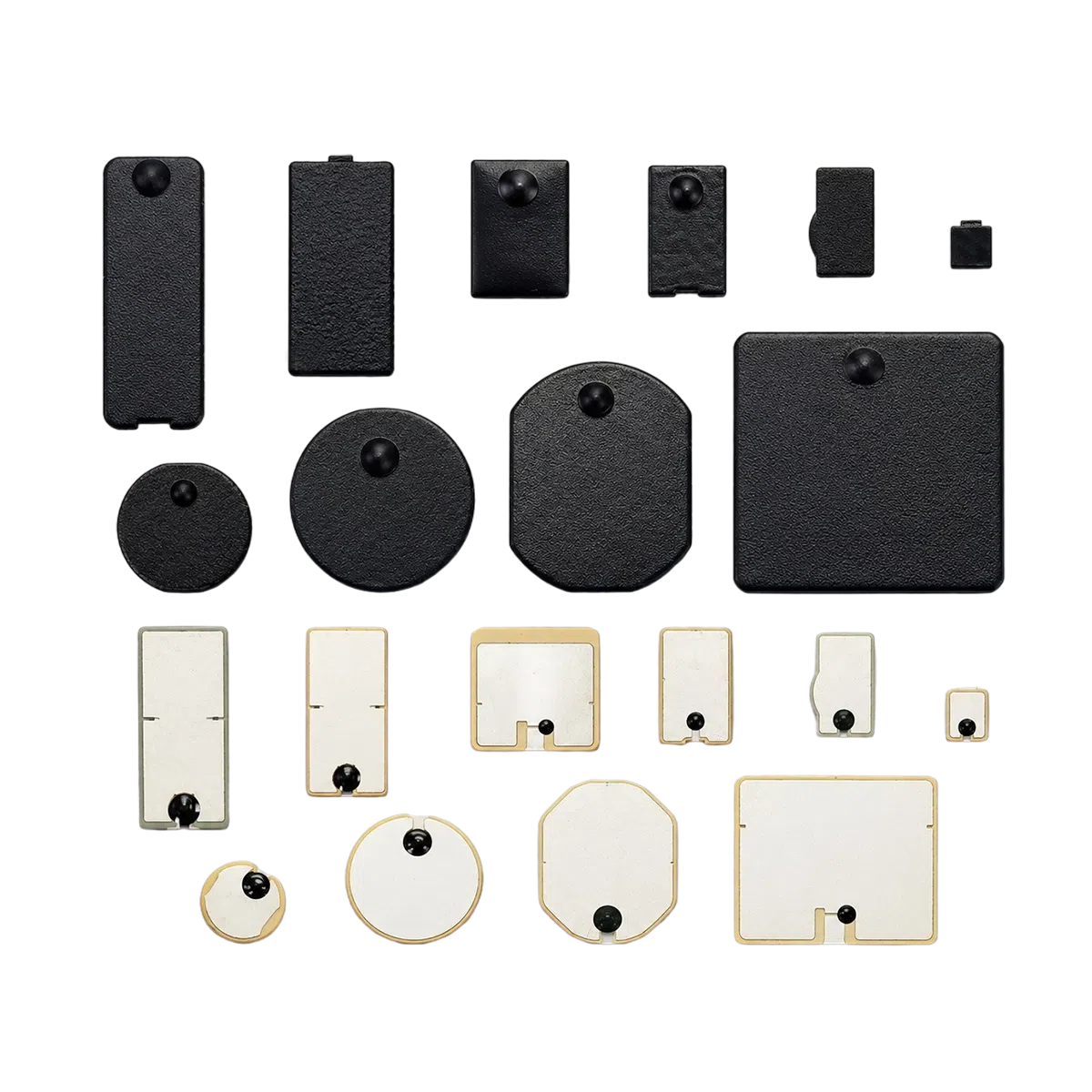
Available Ceramic RFID Tag Sizes
| Model | Size / Shape | Recommended Use |
|---|---|---|
| CER0404 | 4 × 4 × 3 mm | Ultra-small metal assets, miniature tools and embedded positions |
| CER0505 | 5 × 5 × 3 mm | Small tools, compact equipment and metal components |
| CER0525 | 5 × 2.5 × 2 mm | Very narrow positions and miniature metal parts |
| CER0602 | 6 × 2 × 2 mm | Slim tool tracking and small asset identification |
| CER1001 | 10 × 1.8 × 1.8 mm | Narrow edge positions and compact industrial assets |
| CER1002 | 10 × 2.5 × 2.5 mm | Small equipment, tools and component tracking |
| CER1005 | 10 × 5 × 3 mm | General small on-metal asset tracking |
| CERD10 | Ø10 mm | Round tag format for tools and equipment |
| CER1207 | 12 × 7 × 3 mm | Small-to-medium equipment and rack identification |
| CERD16 | Ø16 mm | Round ceramic tag for broader mounting areas |
| CER1309 | 13 × 9 × 2 mm | Tool, IT asset and equipment tracking |
| CER1909 | 19 × 9 × 3 mm | Medium on-metal assets and longer reading needs |
| CER2117 | 21 × 17 × 2.3 mm | Equipment plates, bins and industrial assets |
| CER2509 | 25 × 9 × 2 mm | Longer strip format for improved read performance |
| CER2525 | 25 × 25 × 3 mm | Larger metal assets and returnable containers |
| CER3030 | 30 × 30 × 3 mm | Higher read-range projects and larger industrial assets |
Chip Options for UHF Ceramic RFID Tags
| Frequency | Chip Options | Typical Use |
|---|---|---|
| UHF 860–960 MHz | Alien Higgs-3 / Higgs-4 / Higgs-9 | General industrial asset tracking and EPC identification |
| UHF 860–960 MHz | Impinj Monza R6 / R6-P | Standard UHF asset management and item identification |
| UHF 860–960 MHz | NXP UCODE 7 / UCODE 8 / UCODE 9 | Industrial projects requiring UCODE chip selection |
| UHF 860–960 MHz | Impinj M730 / M750 / M830 / M850 | Projects requiring newer-generation Impinj chip options |
| UHF 860–960 MHz | Equivalent chip upon request | Project-specific memory, read range or supply-chain requirements |
Chip choice affects EPC memory, user memory, sensitivity, encoding workflow and system compatibility. For asset tracking, confirm whether EPC-only identification is enough or whether additional user memory is required. Final chip selection should match the reader, middleware, software platform and data format used by the project.
Protocols & Compatibility
- 📡 Passive UHF RFID on-metal tag
- 🌐 UHF 860–960 MHz (865–868 EU / 902–928 US)
- 📜 EPC Class 1 Gen 2 / ISO 18000-6C
- 🔗 Compatible with standard EPC Gen2 UHF readers
- 📋 EPC / TID / user memory / serial encoding
- 🛠️ Adhesive backing for flat metal surfaces
Typical Applications for On-Metal RFID Asset Tracking
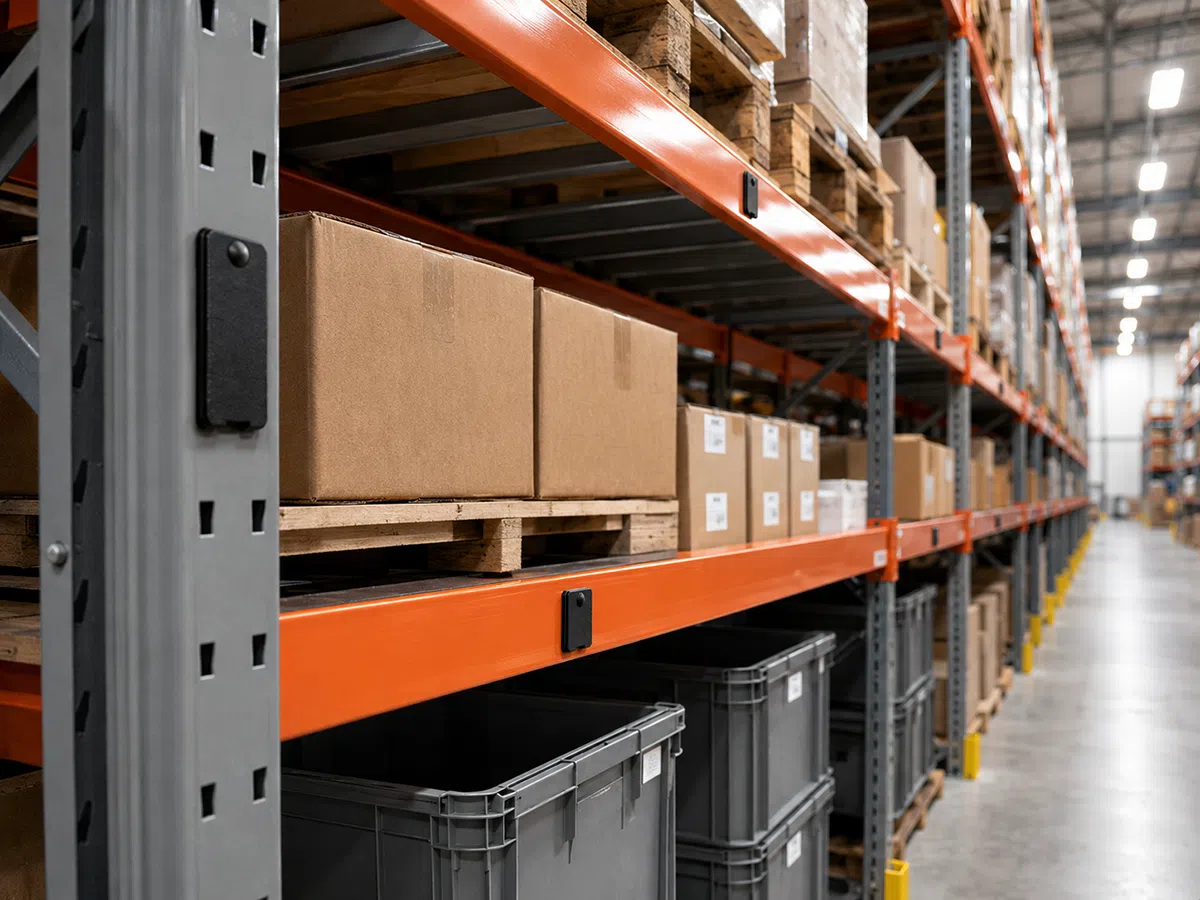
Warehouse Rack & Shelf Management
Tag metal racks, shelves and location markers for warehouse position identification.
- Location ID
- Rack tracking
- Inventory workflow
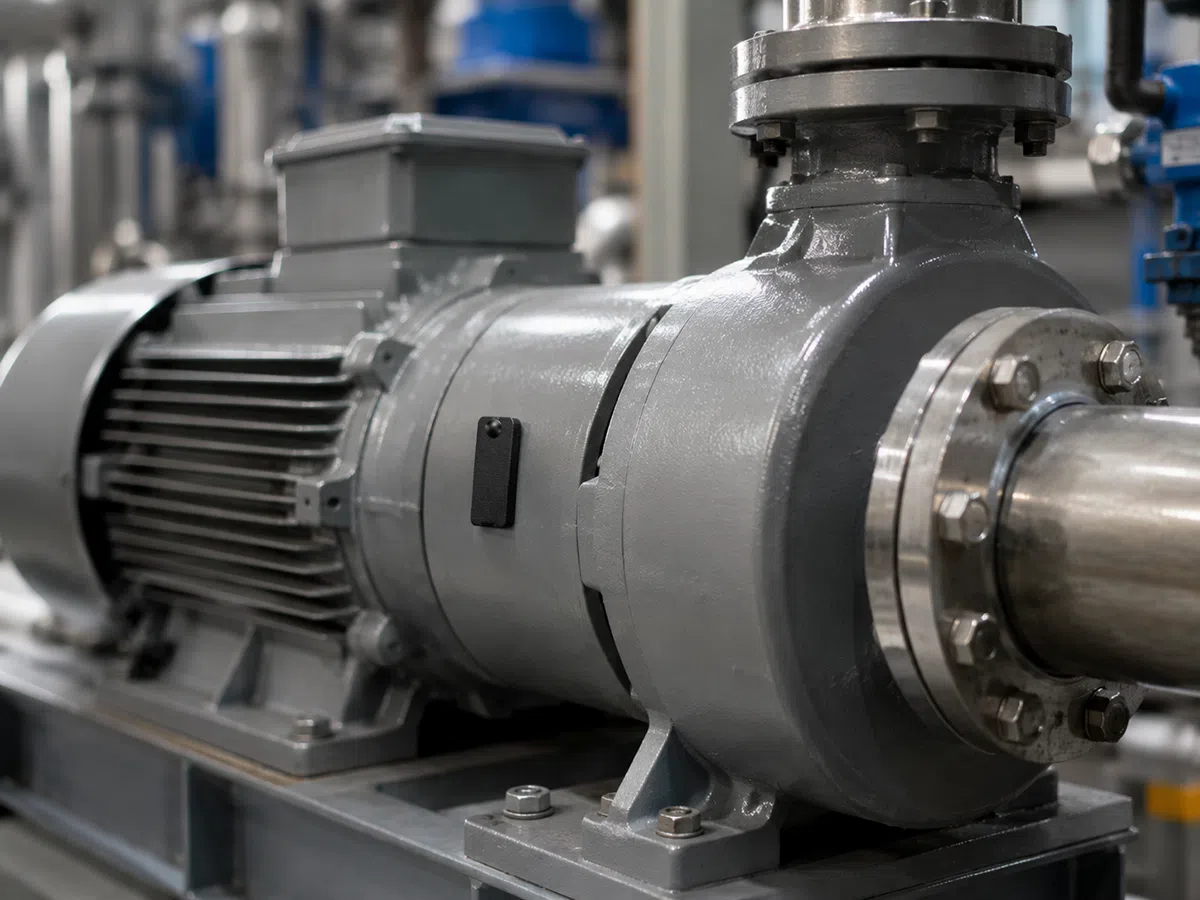
Industrial Equipment Tracking
Identify machines, parts, equipment housings and metal asset plates.
- Equipment ID
- Maintenance record
- Asset visibility

Tool & MRO Management
Track tools, fixtures and molds through check-in, check-out and usage workflows.
- Tool identity
- Loss control
- Maintenance data

Power Utility Inspection
Identify metal utility assets, cabinets and inspection points outdoors.
- Field inspection
- Durable ID
- Asset history

Gas Cylinder & Vessel Tracking
Apply tags to cylinder or vessel positions for returnable asset and inspection management.
- Cylinder ID
- Return cycle
- Inspection status

IT Asset & Data Center Management
Tag servers, metal cabinets and IT equipment for faster inventory and lifecycle management.
- Asset audit
- Cabinet ID
- Data center inventory

Manufacturing WIP Tracking
Track metal parts, tooling plates, carriers and fixtures during production.
- Process visibility
- Work order match
- Fixture tracking
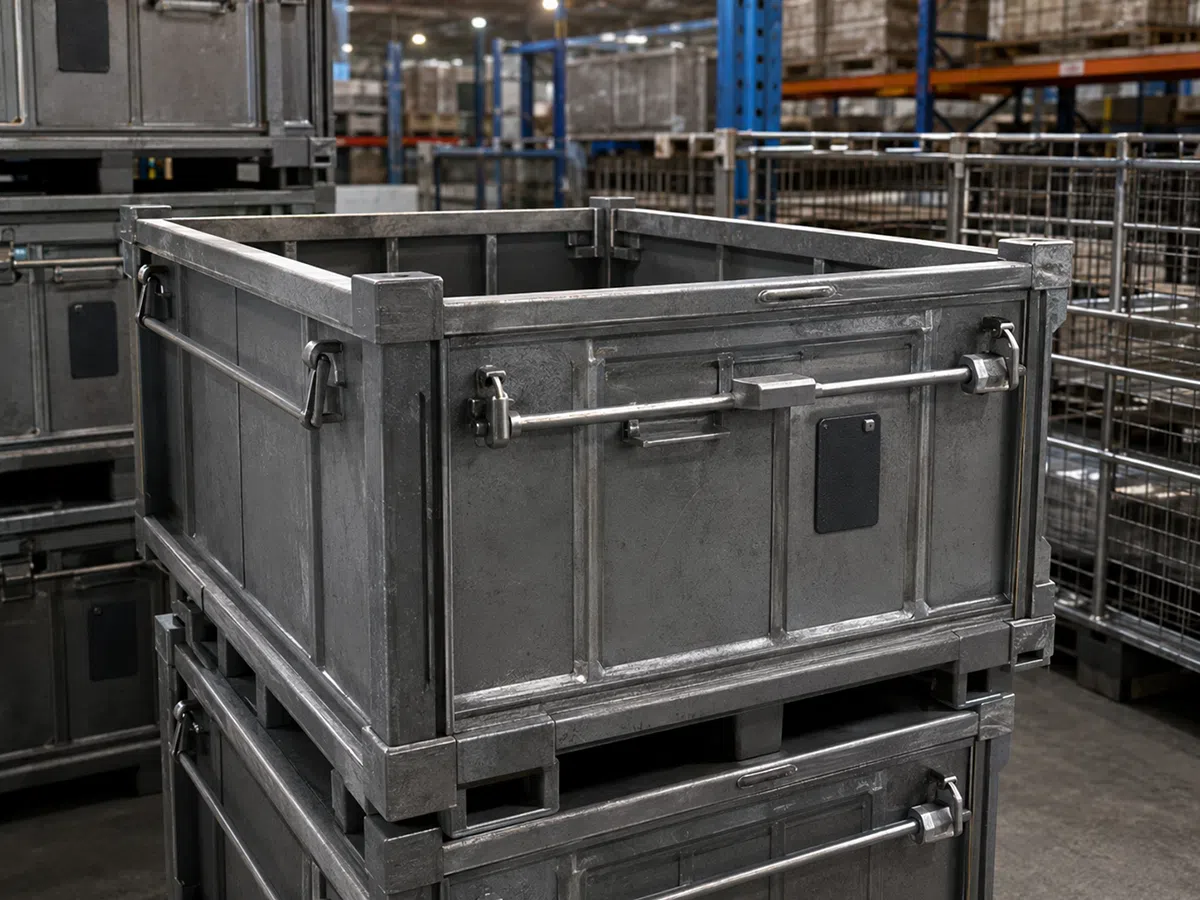
Metal Container & Returnable Asset
Identify returnable metal bins, trays and transport assets across logistics cycles.
- Return control
- Container ID
- Reusable asset tracking
Technical Specifications
| Product Type | Passive UHF Ceramic On-Metal RFID Tag Series |
| RFID Type | Passive UHF RFID anti-metal tag |
| Application Surface | Metal surface |
| Frequency | UHF 860–960 MHz; regional options such as 865–868 MHz EU and 902–928 MHz US |
| Protocol | EPC Class 1 Gen 2 / ISO 18000-6C |
| Chip Options | Alien Higgs-3 / Higgs-4 / Higgs-9; Impinj Monza R6 / R6-P; NXP UCODE 7 / 8 / 9; Impinj M730 / M750 / M830 / M850; or equivalent upon request |
| Memory | EPC 96–496 bits; user memory up to 512 bits depending on chip; TID varies by chip |
| Material | Ceramic |
| Color | Black |
| Mounting Option | Adhesive backing |
| IP Rating | IP68 |
| Operating Temperature | -40°C to +85°C typical |
| Storage Temperature | -40°C to +150°C typical |
| Read Range | Approx. 0.3 m to 8.0 m on metal surface, depending on model size, chip, reader, antenna, installation method and environment |
| Write Endurance | 100,000 cycles typical depending on chip |
| Data Retention | Up to 50 years depending on chip |
| Customization | Size, shape, chip, logo printing, laser marking, barcode / QR code, EPC encoding and packaging |
| Typical Applications | Tools, equipment, metal containers, racks, gas cylinders, IT assets, power utility inspection and industrial asset tracking |
Volume Pricing
| Quantity | Unit Price (USD / pc) |
|---|---|
| 100 – 499 pcs | From US$0.70 |
| 500 – 999 pcs | From US$0.65 |
| 1,000+ pcs | Contact our sales team for project pricing |
Final pricing depends on tag model size, chip type, memory, marking method, barcode / QR code, EPC encoding, packaging and order quantity. Performance values are typical references only; actual read range varies by model, chip, reader, antenna, mounting surface, metal type and environment. Sample testing is recommended before mass production. Please contact our sales team for an exact quotation.
Mounting Option
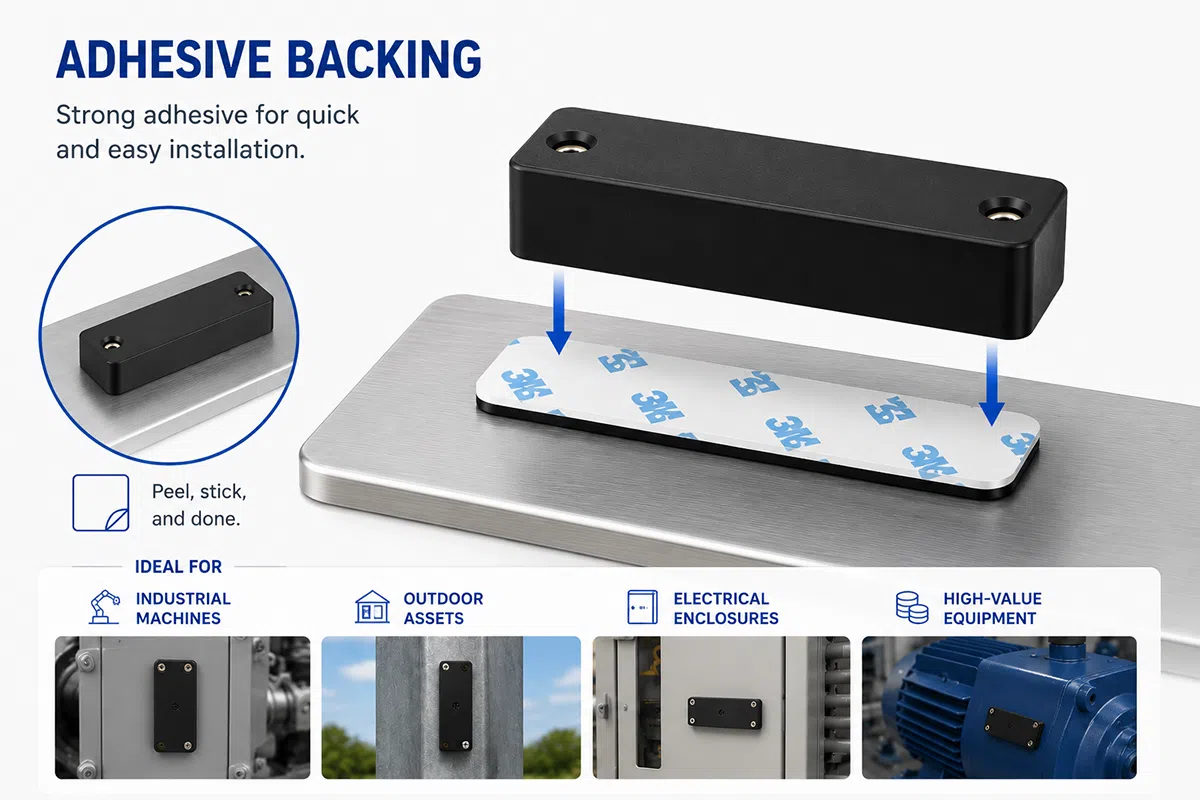
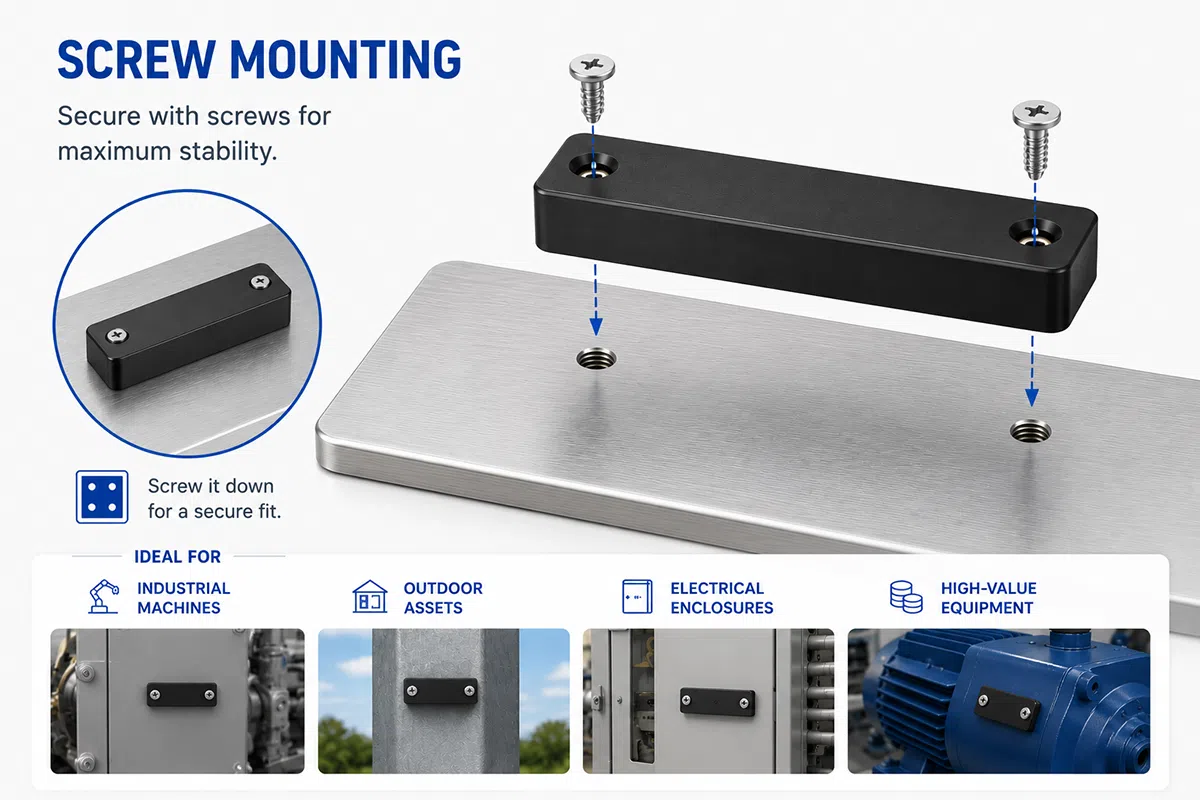
The standard mounting option for this series is adhesive backing. The adhesive should be applied to a clean, dry and suitable metal surface. For rough, oily, curved, coated or high-temperature surfaces, buyers should test adhesive strength before mass deployment. If screw mounting or embedded installation is required, a project-specific tag structure should be confirmed separately.
Customization Options
- 📐Custom Size & Shape
Ceramic tag size, shape and form factor can be customized for project requirements.
- ⚙️Chip Options
Alien, Impinj, NXP UCODE or equivalent UHF chips by memory and performance needs.
- 🛠️Logo / Laser Marking
Logo, part number, asset number or project code can be laser marked or printed.
- 📋Barcode / QR Code
Barcode, QR code, serial number or variable data for visual ID and integration.
- 🎯EPC Encoding
EPC, TID mapping, user memory or project-specific data encoded before shipment.
- 🛡️Color / Surface
Standard color is black; project-specific surface requirements can be discussed.
- 💼Packaging Format
Tags packed by model, encoded data, asset batch or project delivery requirement.
- 🔧Sample Testing
Samples tested with target reader, metal asset and environment before bulk order.
Why Buyers Choose CedaGlo Ceramic On-Metal RFID Tags
- 📐Wide Model Coverage
Multiple sizes support miniature tools, equipment plates, racks, containers and returnable assets.
- ⚙️Project-Based Chip Selection
Chip selection can be matched to EPC data, user memory, reader system and application workflow.
- 📋Custom Data Support
Barcode, QR code, serial number and EPC encoding help match RFID data with buyer systems.
- 🛠️Practical Mounting Guidance
Adhesive mounting and sample testing guidance reduce deployment risk.
Frequently Asked Questions
What are UHF ceramic on-metal RFID tags?
UHF ceramic on-metal RFID tags are passive RFID tags designed to work directly on metal surfaces. Their ceramic body and antenna design help improve UHF performance on metal assets such as tools, equipment, racks, containers and industrial components.
Can ceramic RFID tags work on metal surfaces?
Yes. These tags are designed for metal surface applications. Standard RFID labels may lose performance on metal, while ceramic anti-metal RFID tags are optimized for stable reading when mounted on suitable metal assets.
What is the typical read range on metal?
The series shows an approximate on-metal read range of 0.3 m to 8.0 m. Actual read range depends on tag size, chip, reader power, antenna, mounting surface, installation method and environment. Larger models generally provide longer read range than miniature models.
Are these tags suitable for high-temperature environments?
The shown operating temperature is typically -40°C to +85°C and storage temperature is typically -40°C to +150°C. If the project involves process heat, oven exposure, painting, washing or sterilization, the exact model and temperature duration should be confirmed through sample testing.
What protocol do the tags support?
The tags support EPC Class 1 Gen 2 / ISO 18000-6C, which is the common passive UHF RFID protocol used for industrial asset tracking, warehouse management and inventory systems.
Can the tags be customized with barcode, QR code or laser marking?
Yes. CedaGlo can support logo, laser marking, barcode, QR code, serial number, part number and variable data marking depending on the model and project requirement. EPC encoding can also be arranged before shipment.
How are the ceramic RFID tags mounted?
The standard mounting option is adhesive backing. The surface should be clean, dry and suitable for adhesive application. For rough, oily, curved, coated or high-temperature surfaces, sample testing is recommended before bulk installation.
How should I choose the right ceramic RFID tag size?
Choose a smaller tag when space is limited, such as tool tracking or compact metal components. Choose a larger tag when the project needs longer read range or more stable reading. The best model should be selected through sample testing with the actual asset and reader system.
Related Products
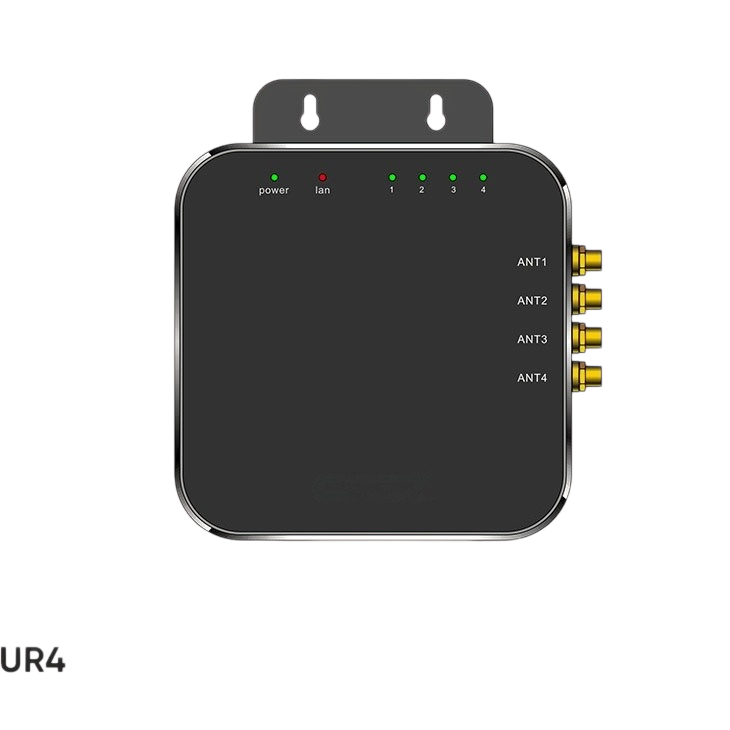
UR4 Fixed RFID Reader
Four-port fixed UHF RFID reader. 4 channel 50 ohm SMA port, 1300+ tags/sec fastest read rate, engine based on Impinj E Series chips. RS-232 and RJ45.
View Details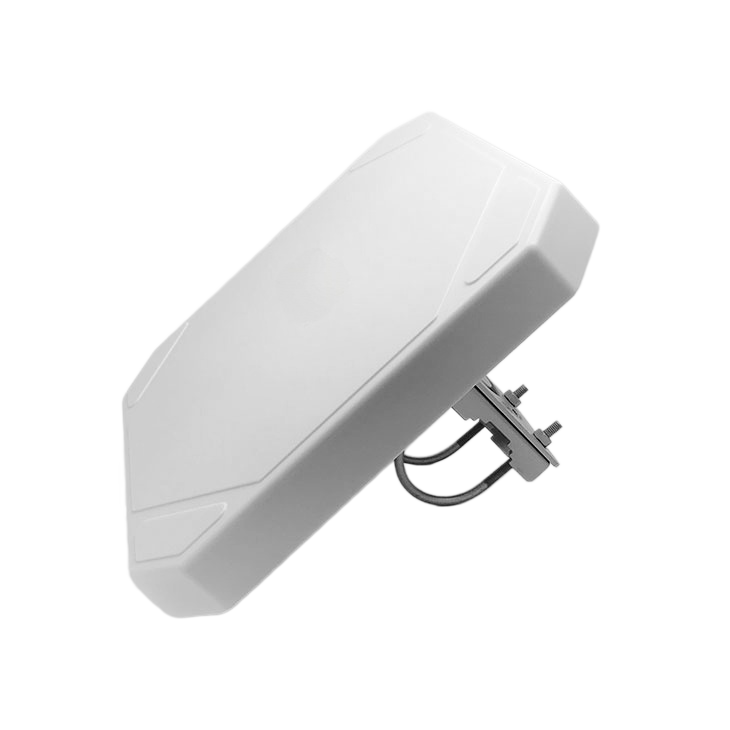
9dBi UHF RFID Panel Antenna
9dBi RHCP panel antenna, 60 by 55 degree 3dB beam-width, N-Type Female at 50 ohms, IP67 sealed, 255 by 255 by 30 mm.
View Details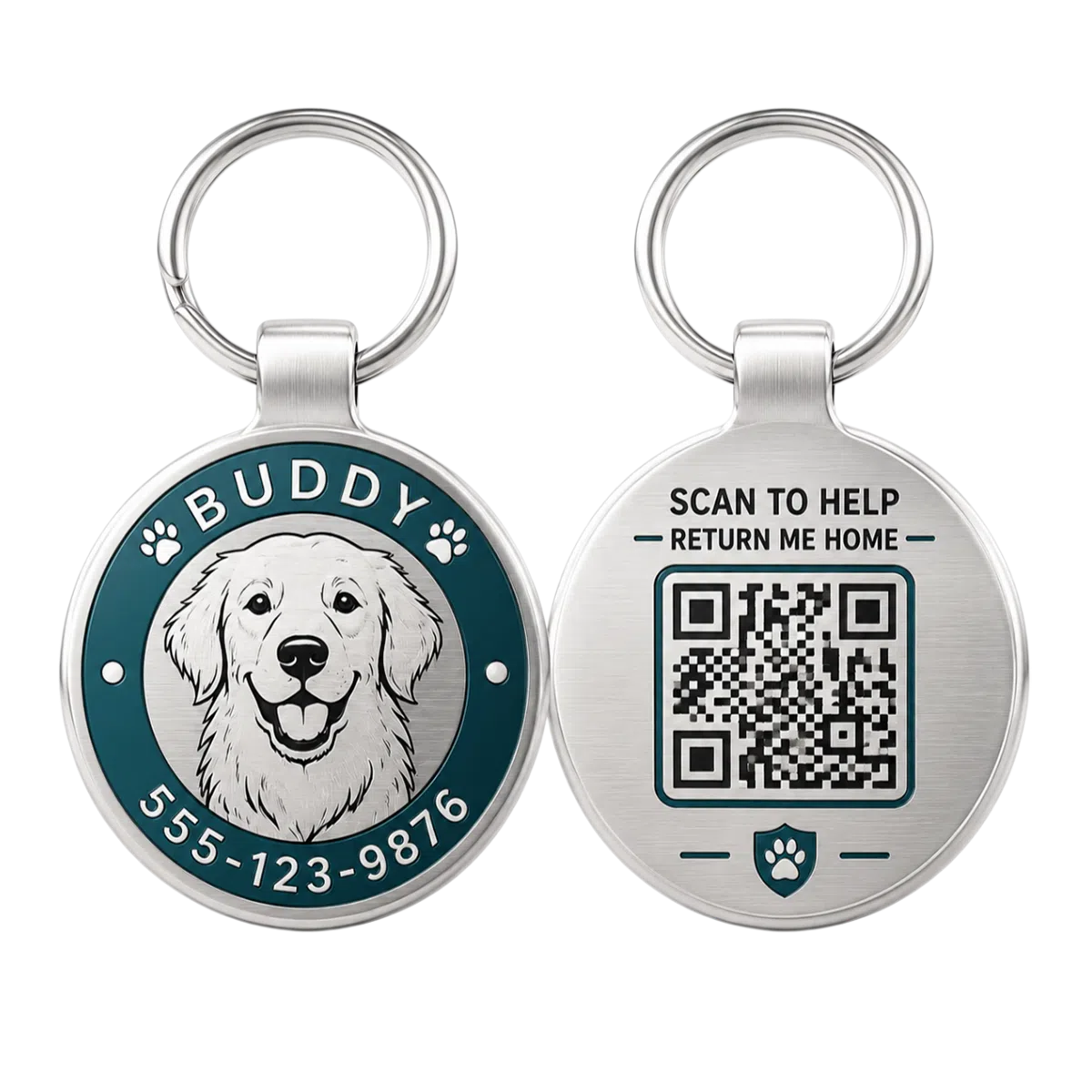
CedaGlo Custom NFC & QR Code Pet ID Tags
Custom NFC QR code pet tags with chip selection, URL encoding, private-label artwork and OEM packaging. Programmable smart tags for online profile.
View Details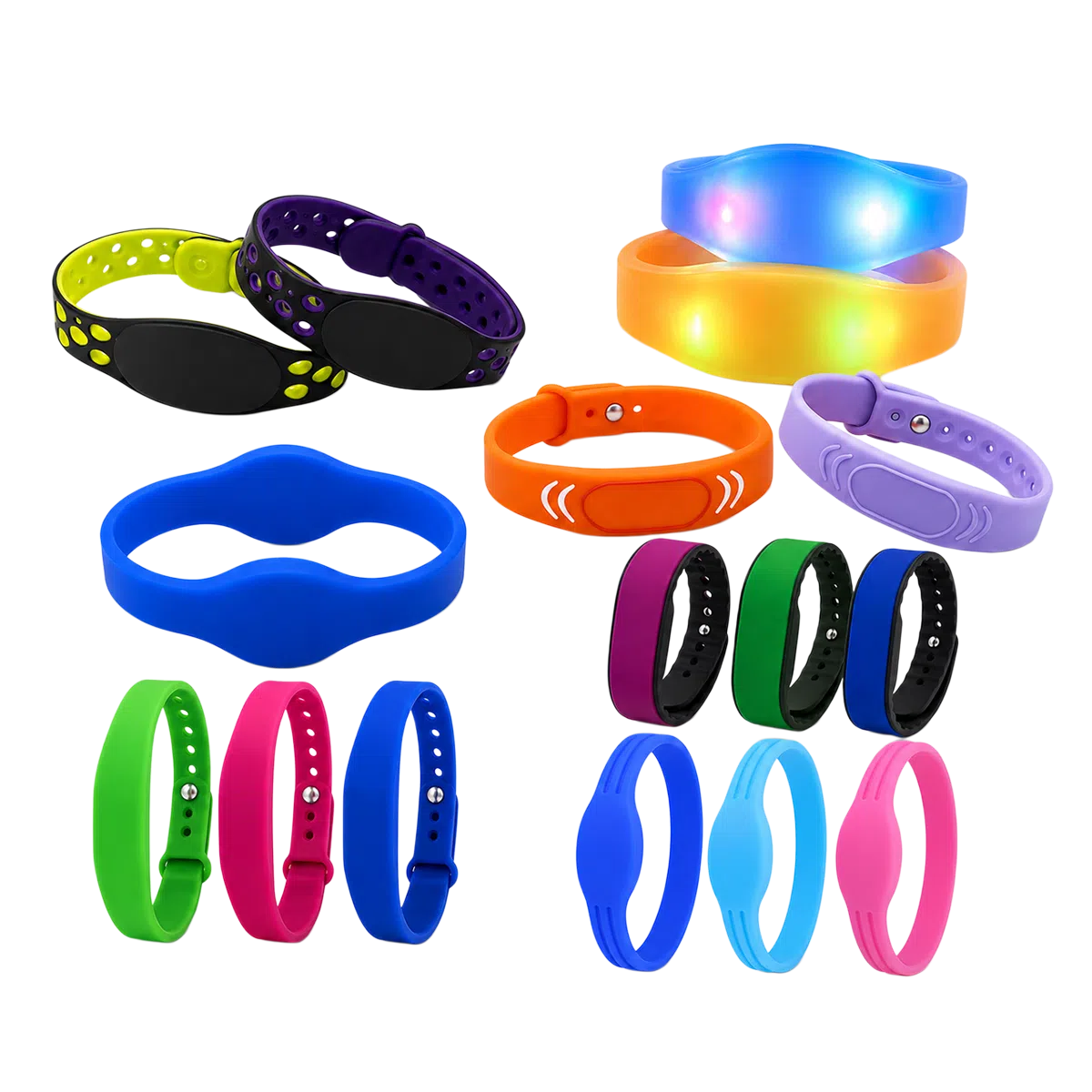
CedaGlo Custom RFID Silicone Wristbands
Reusable custom silicone RFID wristbands with LF, HF and NFC chip options for events, access control, cashless payment and brand promotion.
View DetailsCustomize UHF Ceramic On-Metal RFID Tags for Your Industrial Assets
Tell us your asset type, metal surface, required read range, tag size, chip preference, marking content, EPC encoding file and application environment. The CedaGlo team will help you choose the right ceramic anti-metal RFID tag model and provide project-based pricing.