RFID Turnstile Access Control System with Card and Fob Entry
600mm standard passage width, 0.8-1s opening time, 35-60 persons/min.
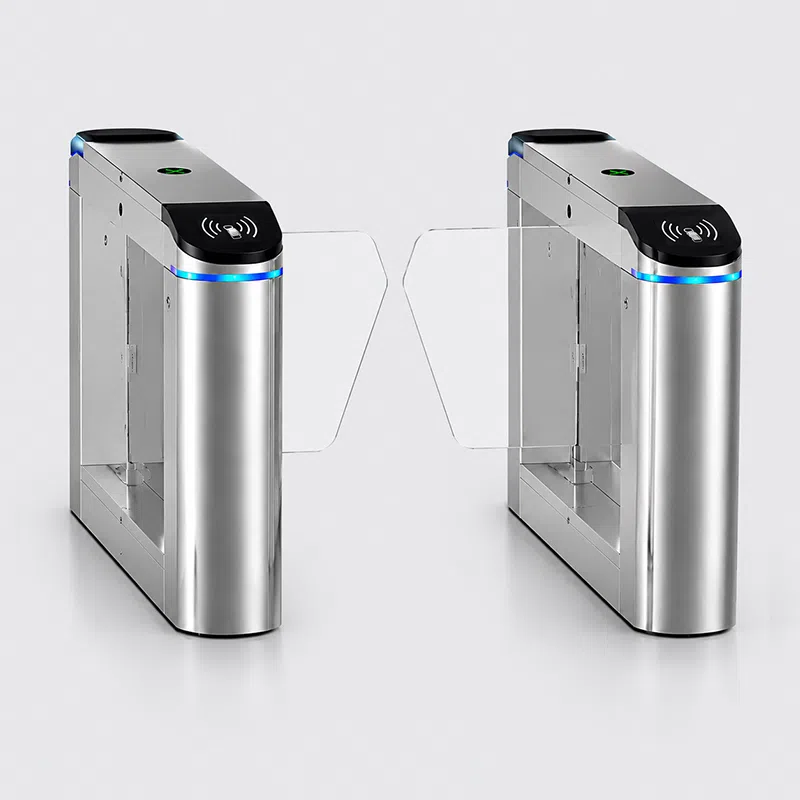
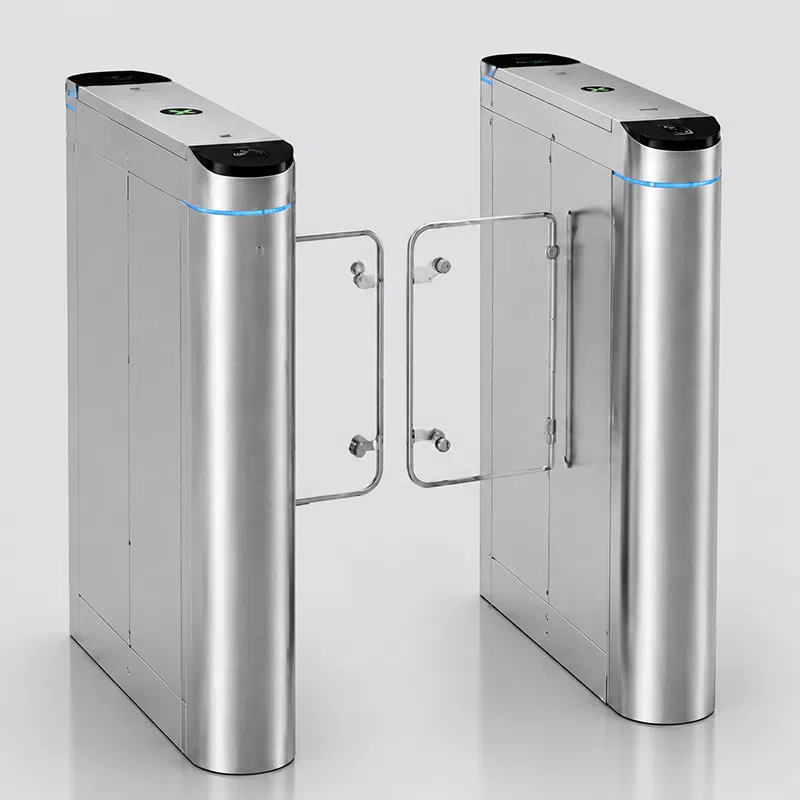
A user taps an RFID wristband, card or key fob and the barrier opens in 0.8-1s, at a rated 35-60 persons/min. The same electronics ship in three cabinet forms, a flap barrier, a swing gate and a tripod turnstile, each with a 600mm standard passage width and 4-8 pairs of infrared sensors. Readers work at 125kHz LF or 13.56MHz HF and connect over a Wiegand 26/34 interface, inside a SUS304 stainless steel housing driven by a 24V BLDC motor. The access controller reaches your network over TCP/IP, RS485 or TTL232, with an SDK for sites that integrate access records into their own software.
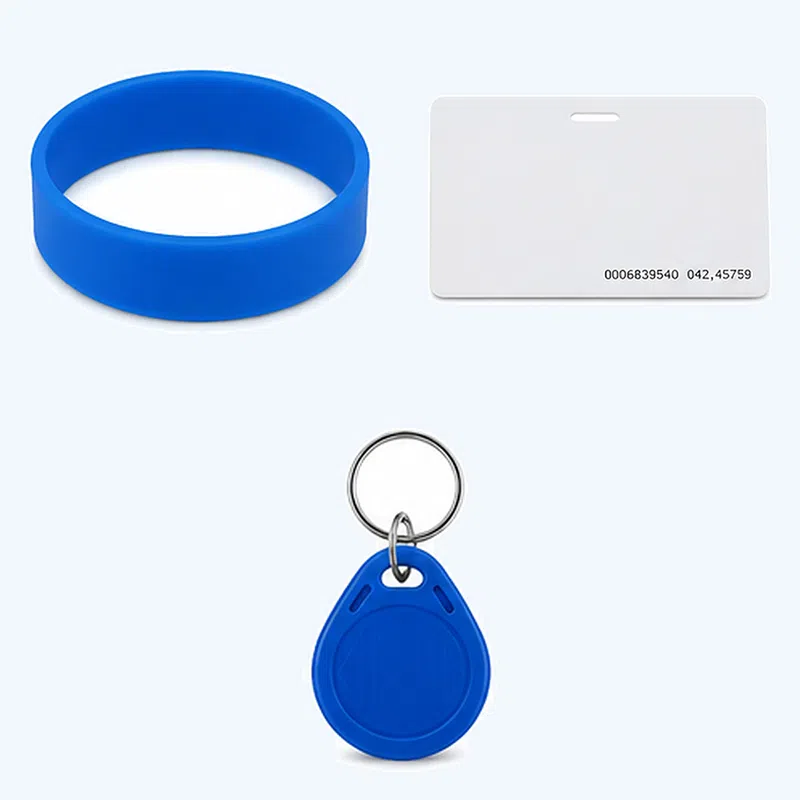
- 125kHz LFReader frequency band
- 13.56MHz HFReader frequency band
- Wiegand 26/34Reader interface
- TCP/IPController communication
- RS485Controller communication
- TTL232Controller communication
- SUS304Stainless steel housing
- AC110-220V50-60Hz power supply
- 24V BLDC MotorGate drive
- Three Gate TypesFlap, swing, tripod
- Three CredentialsWristband, card, key fob
- SDK / APIThird-party integration
Overview
The RFID Turnstile Access Control System brings a pedestrian barrier, an RFID reader, an access controller and management software into one delivered system. Authorized users present a wristband, a card or a key fob at the reader panel; the controller checks the credential against the permissions it holds and releases the barrier. Nothing has to be handed over, stamped or checked by a person at the door.
What separates this system from a standalone gate is that the credential and the record travel together. Every presentation is stored on the controller, so a site that issues wristbands to its members can see which of them came through which entrance and when. Permissions and time schedules are set per user, which is what makes the system workable for memberships, residents and shift staff rather than only for a fixed employee roster.
Readers work at 125kHz LF or 13.56MHz HF and hand credentials to the controller over a Wiegand 26/34 interface, so a reader can sit inside the cabinet or be mounted separately without changing the wiring approach. The controller reaches the management software over TCP/IP, RS485 or TTL232, and an SDK is available where user records need to live in a platform you already operate. Explore the full range of RFID access control hardware.
Key Features
Reading and Credentials
- 125kHz LF and 13.56MHz HF
- Wristband, card and key fob entry
- Wiegand 26/34 reader interface
- TCP/IP, RS485 or TTL232 link
- Built-in or external reader
Gate Hardware and Safety
- SUS304 stainless steel housing
- 24V BLDC motor drive
- 4-8 pairs of infrared sensors
- Anti-tailgating and anti-pinch
- Emergency opening mode
Passage and Power
- 600mm standard passage width
- 0.8-1s opening time
- 35-60 persons/min passing speed
- AC110-220V / 50-60Hz power supply
- Flap, swing or tripod cabinet
Features & Functions at a Glance
How the System Works
Four parts make up one access point
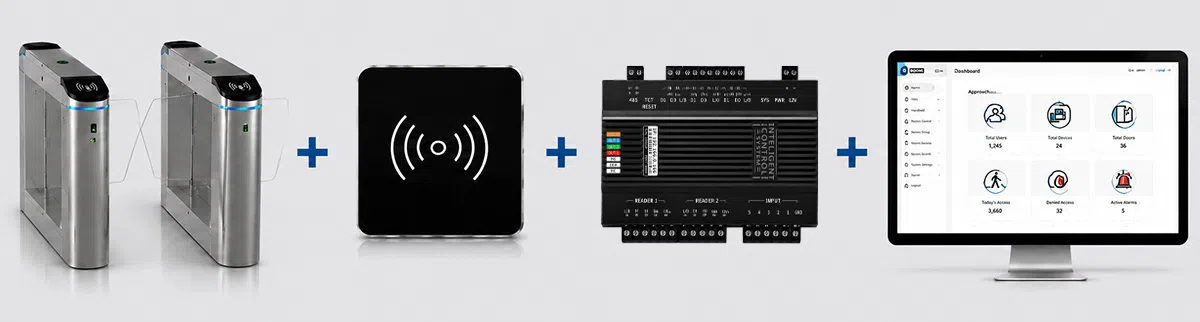
- Turnstile GateFlap barrier, swing gate or tripod cabinet
- RFID Reader125kHz LF or 13.56MHz HF, built in or external
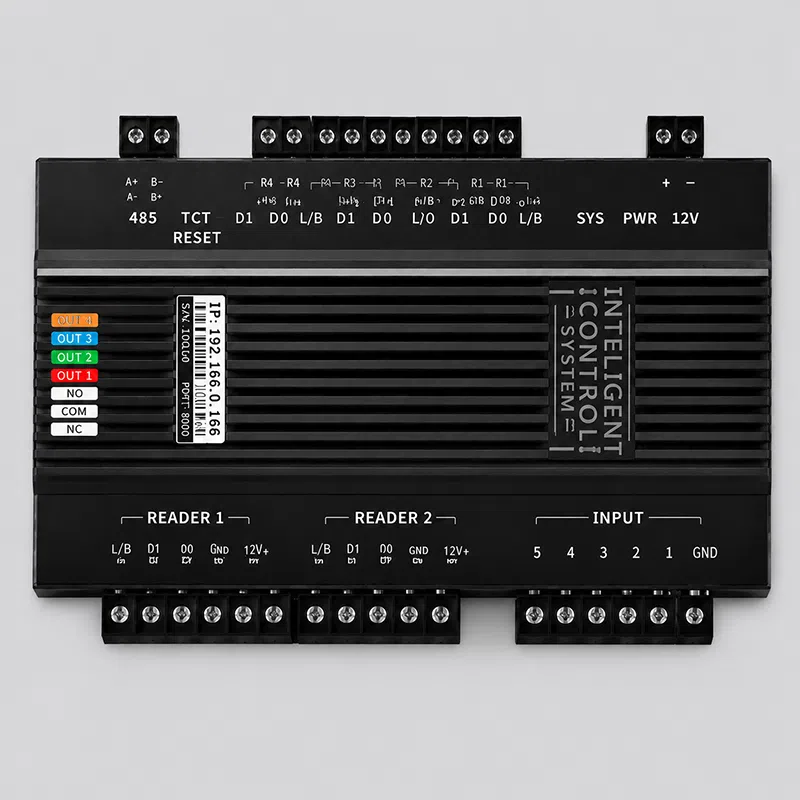
- Access ControllerWiegand 26/34 in, TCP/IP, RS485 or TTL232 out
- Management SoftwareUsers, permissions, time schedules, records
Three steps at the door
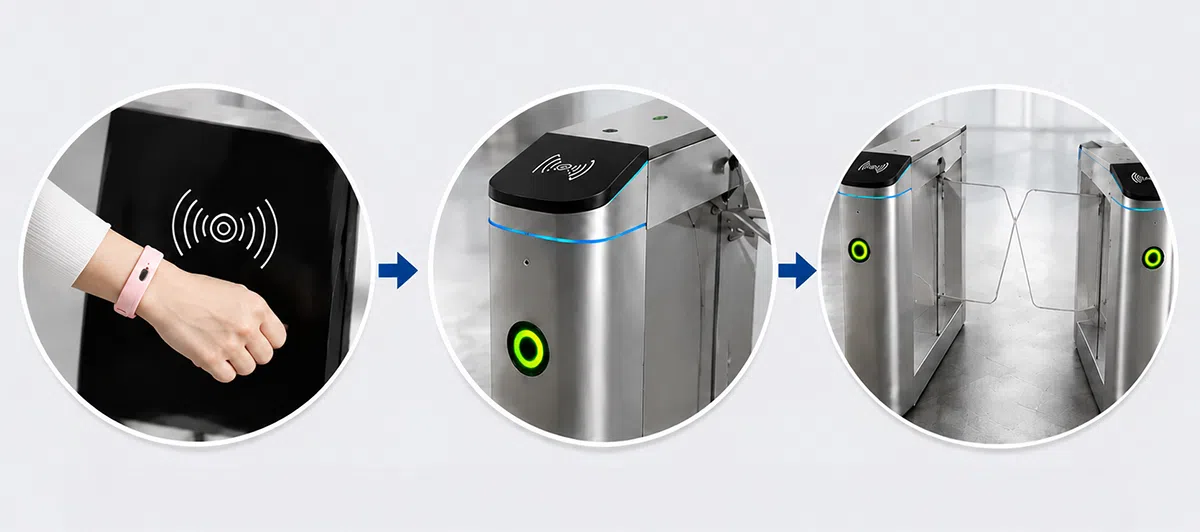
- Present the credentialA wristband, card or key fob is held against the reader panel on the cabinet head.
- The controller answersThe credential goes to the access controller, and the status ring on the cabinet shows the result.
- The barrier opensThe barrier clears the lane in 0.8-1s for one authorized passage.
Choose Your Configuration
| Feature | Flap Barrier | Swing Gate | Tripod Turnstile |
|---|---|---|---|
| Best for | Swimming pools, resorts, residential communities, gyms, offices and factories | ||
| Shared across all three | Identical in all 3 configurations | ||
| RFID technology | 125kHz LF / 13.56MHz HF | ||
| RFID credentials | Wristband / Card / Key Fob | ||
| Reader interface | Wiegand 26/34 | ||
| Communication | TCP/IP / RS485 / TTL232 | ||
| Housing material | SUS304 Stainless Steel | ||
| Motor | 24V BLDC Motor | ||
| Power supply | AC110-220V / 50-60Hz | ||
| Passage width | 600mm Standard | ||
| Opening time | 0.8-1s | ||
| Passing speed | 35-60 persons/min | ||
| Infrared sensor | 4-8 pairs | ||
| Working temperature | -25℃ to 75℃ | ||
| Working environment | Indoor / Outdoor* | ||
| Where the three differ | The row below is the only difference in the configuration sheet | ||
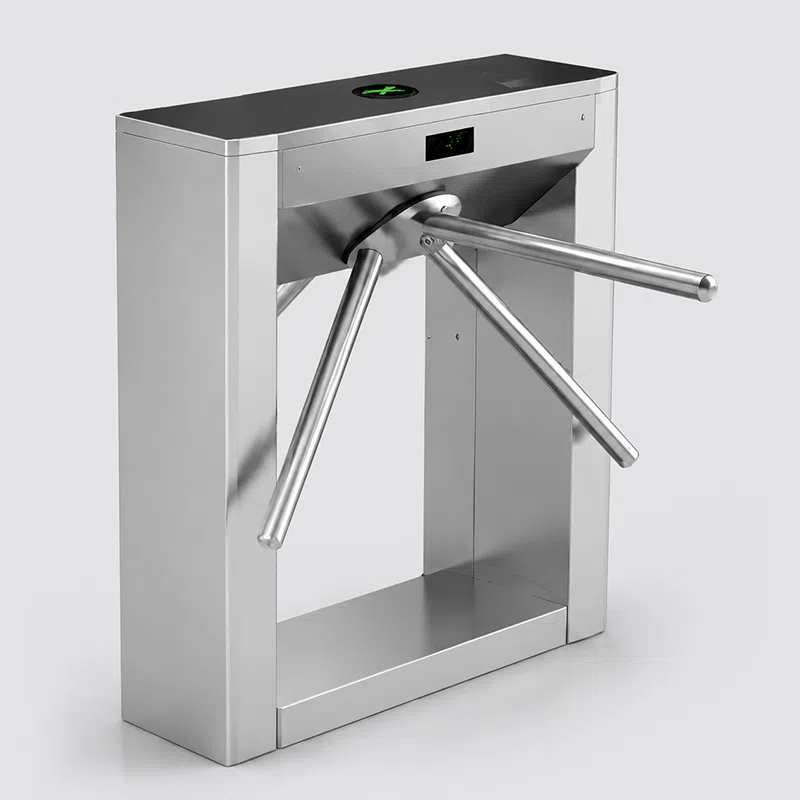
| Form factor | Retracting wing panels | Swinging barrier arms | Three-arm rotor |
| Platform | Common to all 3 configurations | ||
| Management software | User registration, credential assignment, permission setting, time schedule, access records, multiple controller management | ||
| SDK / API | Third-party software integration and custom development | ||
Reader mounting — the RFID reader integrates into the cabinet or mounts externally on all three configurations, so the choice of gate form does not restrict where the reader sits.
*Outdoor installation depends on selected model waterproof rating.
Every value in this table matches the full Specifications section below.
A Closer Look at the Hardware
Labeled Terminal BlocksPower, the RS485 pair, the reader ports and the relay outputs are printed on the housing beside the terminals they belong to, so an installer can identify a connection without a wiring drawing in hand.
Three Credential FormatsOne reader accepts a silicone wristband, a printed card and a key fob. A single site can issue whichever format suits each group of users without adding a second reader at the door.
Three Arms on an Open FrameThe tripod configuration carries its barrier on a rotating hub with three arms instead of on panels. Under the head unit the cabinet is an open frame, so the mechanism that drives the rotor is reachable from either side of the lane.
Specifications
System
- Product Type
- RFID Turnstile Access Control System
- Gate Type
- Flap Barrier / Swing Gate / Tripod Turnstile
- RFID Technology
- 125kHz LF / 13.56MHz HF
- RFID Credentials
- Wristband / Card / Key Fob
Gate Hardware
- Housing Material
- SUS304 Stainless Steel
- Power Supply
- AC110-220V / 50-60Hz
- Motor
- 24V BLDC Motor
- Passage Width
- 600mm Standard
- Opening Time
- 0.8-1s
- Passing Speed
- 35-60 persons/min
- Infrared Sensor
- 4-8 pairs
Communication and Environment
- Communication Interface
- TCP/IP / RS485 / TTL232
- Reader Interface
- Wiegand 26/34
- Working Temperature
- -25℃ to 75℃
- Working Environment
- Indoor / Outdoor*
*Outdoor installation depends on selected model waterproof rating.
Every row above is transcribed from the RFID turnstile configuration sheet. Items not listed there are not offered on this page.
Where These Gates Get Installed
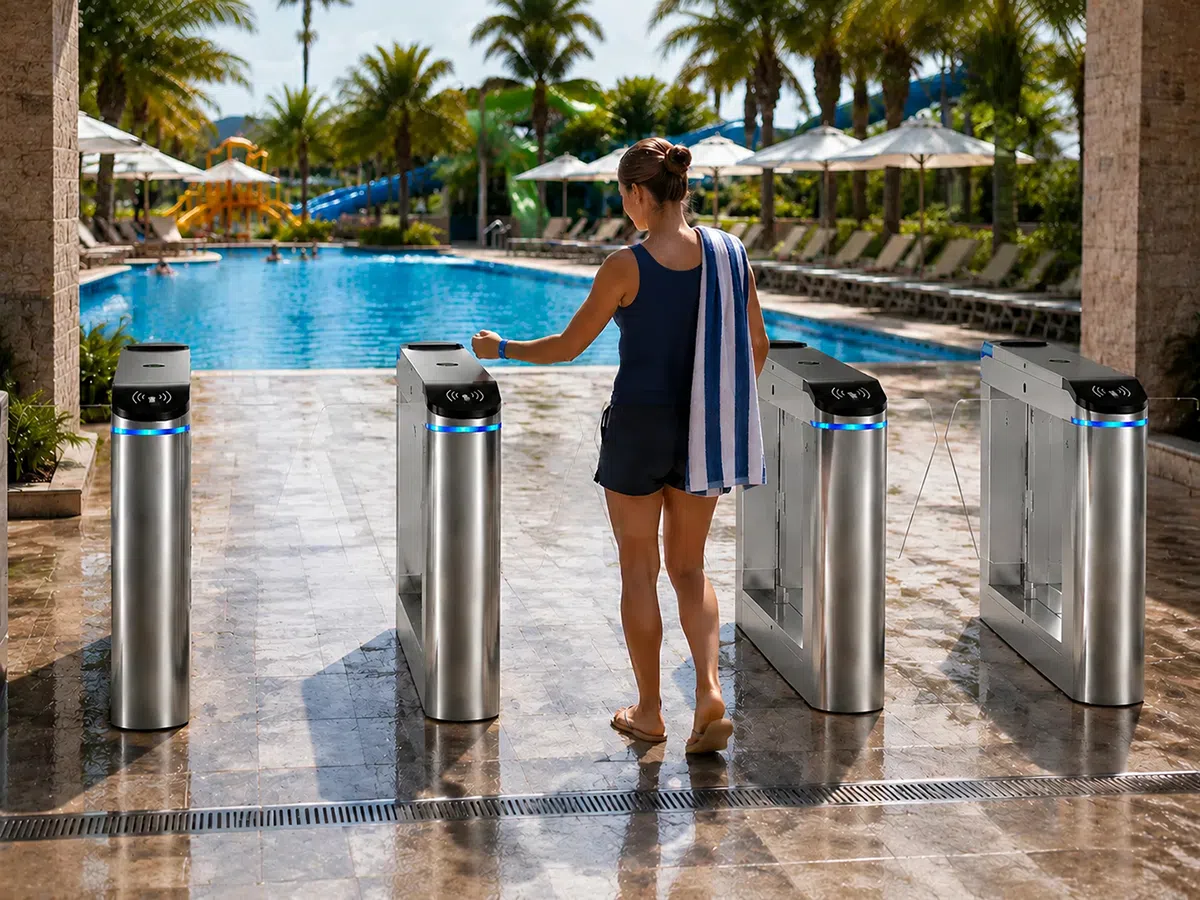
Swimming Pool & Water Park
- The credential is worn on the wrist, so a swimmer carries nothing through the gate
- An 0.8-1s opening keeps the entrance queue moving on a hot afternoon
- Season members and day visitors are separated by permission, not by a different ticket
The result: entrance staff handle exceptions instead of checking every guest.
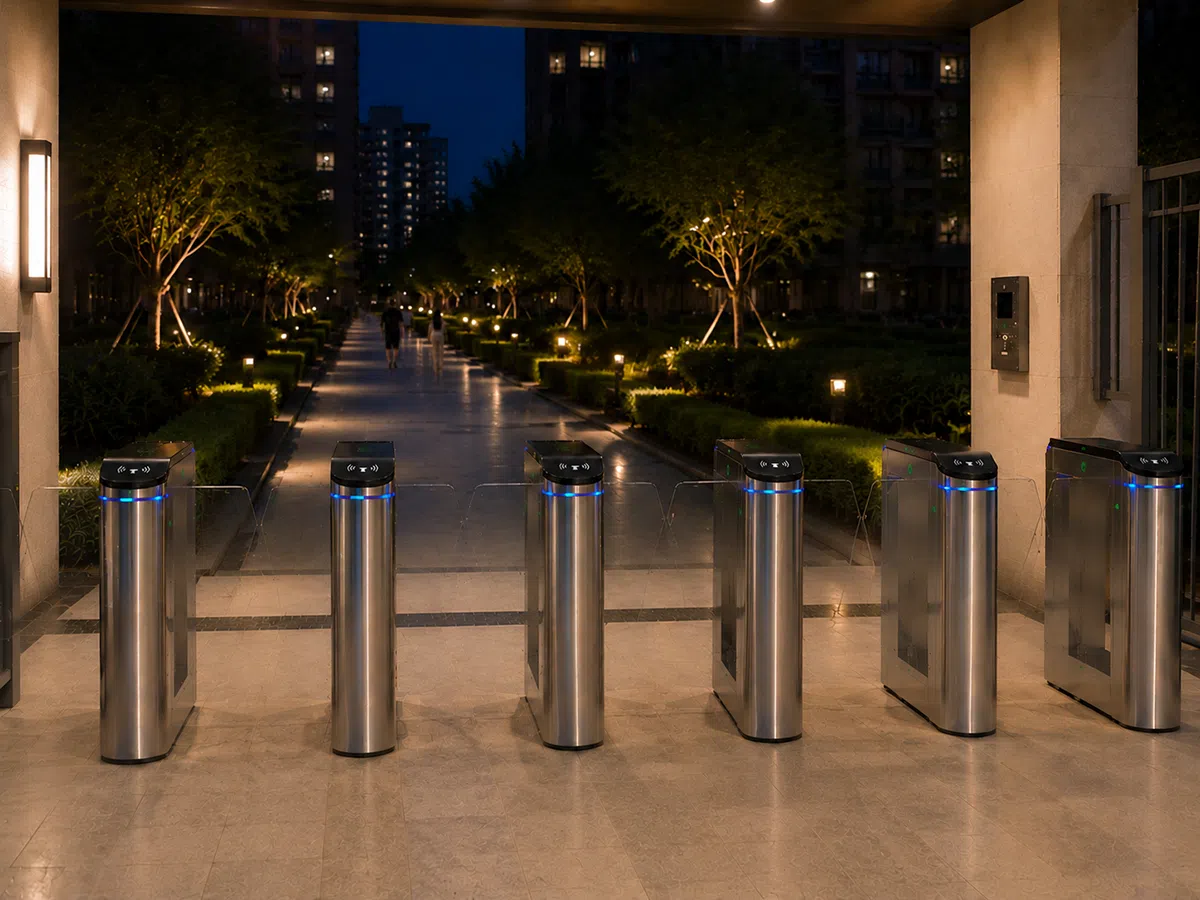
Residential Community
- Credentials are registered per resident, so a lost card is cancelled without changing a lock
- Entrance records show who came through and when, which gives management something to check
- One controller network covers the north and south entrances on the same user list
The result: no drawer of spare keys to hand out and chase back.
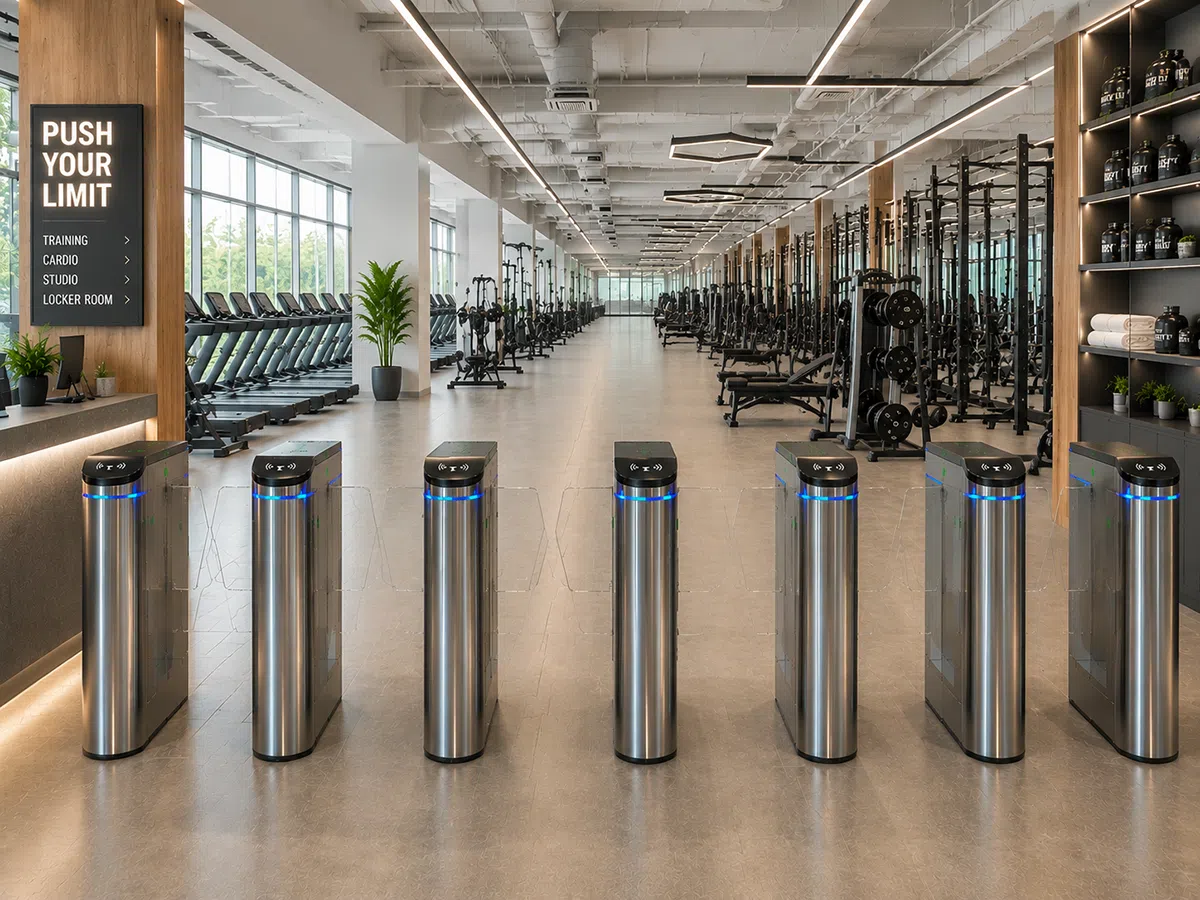
Gym & Fitness Center
- A wristband opens the gate, so the front desk is not the only way onto the floor
- Time schedules let an off-peak membership open the gate only within its own hours
- An expired membership stops working at the gate without a conversation at the counter
The result: reception spends its time on members, not on checking cards.
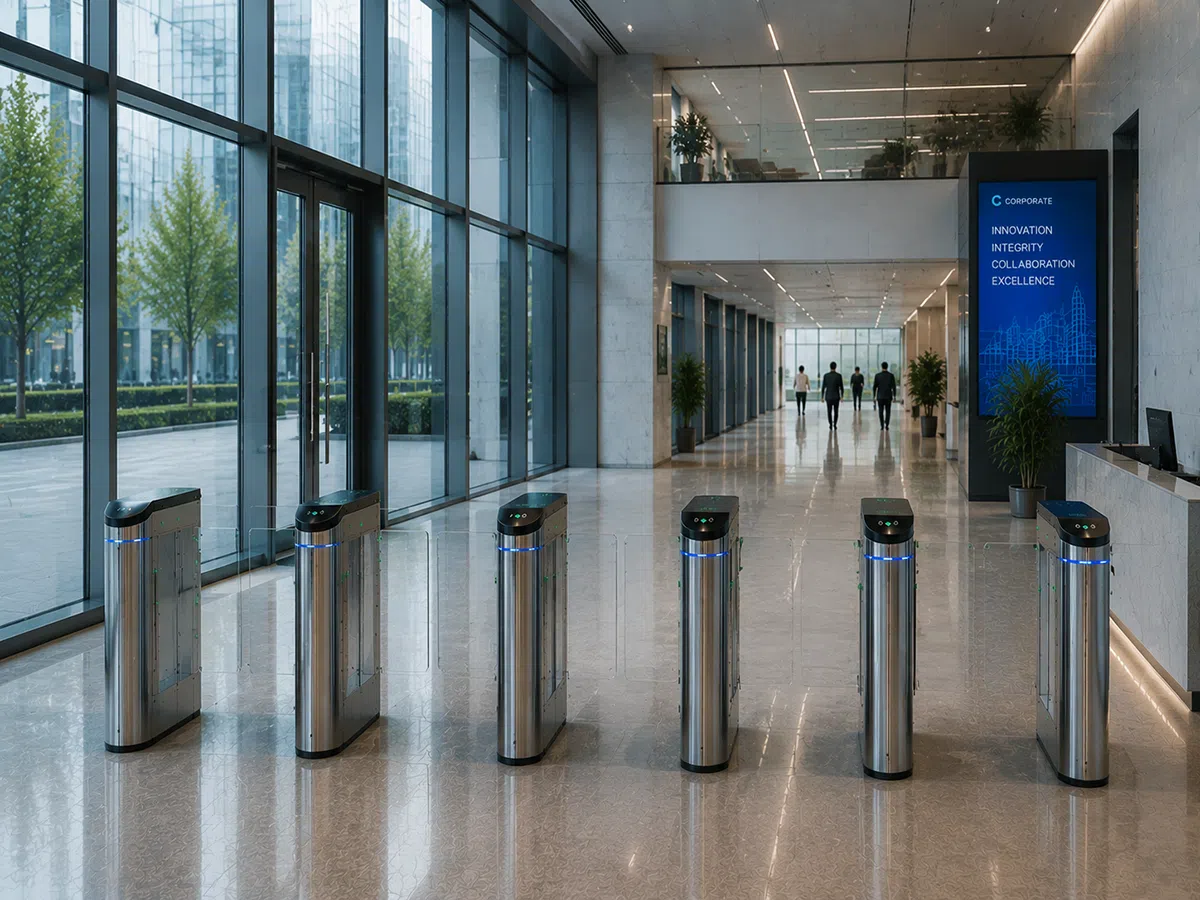
Office Building
- A rated 35-60 persons/min holds up when a whole floor arrives within the same few minutes
- 4-8 pairs of infrared sensors keep the barrier off anyone who stops halfway through
- Access records show entrance times per person without a second terminal on the wall
The result: a shift change clears the lobby without adding another reception desk.
Why Buy the RFID Turnstile From CedaGlo
Components You Can Check
The reader frequencies, the Wiegand 26/34 wiring and the TCP/IP, RS485 and TTL232 links are printed on this page in full, so your integrator can compare them against the controller already on site before a purchase order is raised.
Built to Your Entrance Plan
Cabinet form, reader frequency and reader mounting are decided per project. A swimming pool issuing wristbands and an office issuing cards end up with different hardware at the door and the same software behind it, which keeps training and support simple.
Try It Before You Commit
Ask for a single unit and run it on your own door, with the credentials your members already carry. Watching how a real queue behaves at a real doorway settles more questions than any table of numbers, and arranging it costs you nothing.
Serviceable for the Long Run
Spare part supply, service response and warranty length go into the order documents rather than onto a web page. The colleague who has to keep the barrier running three years from now gets something written down to hold us to.
Frequently Asked Questions
How many people per minute can the RFID turnstile handle?
The configuration sheet lists a passing speed of 35-60 persons/min and an opening time of 0.8-1s. Both figures describe the gate mechanism itself. Real throughput at your door also depends on how quickly each user presents a credential and how the queue in front of the gate is organized.
Which gate type should I choose: flap barrier, swing gate or tripod turnstile?
All three configurations share the same reader frequencies, the same Wiegand 26/34 reader interface, the same TCP/IP, RS485 and TTL232 communication, a SUS304 stainless steel housing and a 600mm standard passage width. The configuration sheet gives one specification set for all three, so the choice comes down to cabinet form and to how the entrance is laid out.
What is inside the system?
A turnstile gate, an RFID reader working at 125kHz LF or 13.56MHz HF, an access controller, the management software and an SDK or API for integration. The reader is either built into the cabinet or mounted externally, and it connects to the controller over a Wiegand 26/34 interface.
How long will the same build stay available for repeat orders?
Availability, spare part supply and warranty length are confirmed in writing with your order. We do not publish a fixed lifecycle period here, because a commitment of that kind belongs in the order documents rather than on a product page.
Can the turnstile be installed outdoors?
The configuration sheet lists a working temperature of minus 25 to 75 degrees Celsius and an indoor or outdoor working environment. Outdoor installation depends on the waterproof rating of the model you select, so tell us the mounting position and how exposed it is and we will confirm which build applies.
How is the system maintained after installation?
The access controller holds user permissions and access records, and the management software covers user registration, credential assignment, time schedules and record queries, so most day-to-day changes are made in software rather than at the gate. Spare parts, service response and warranty are confirmed in writing with your order.
Related Products
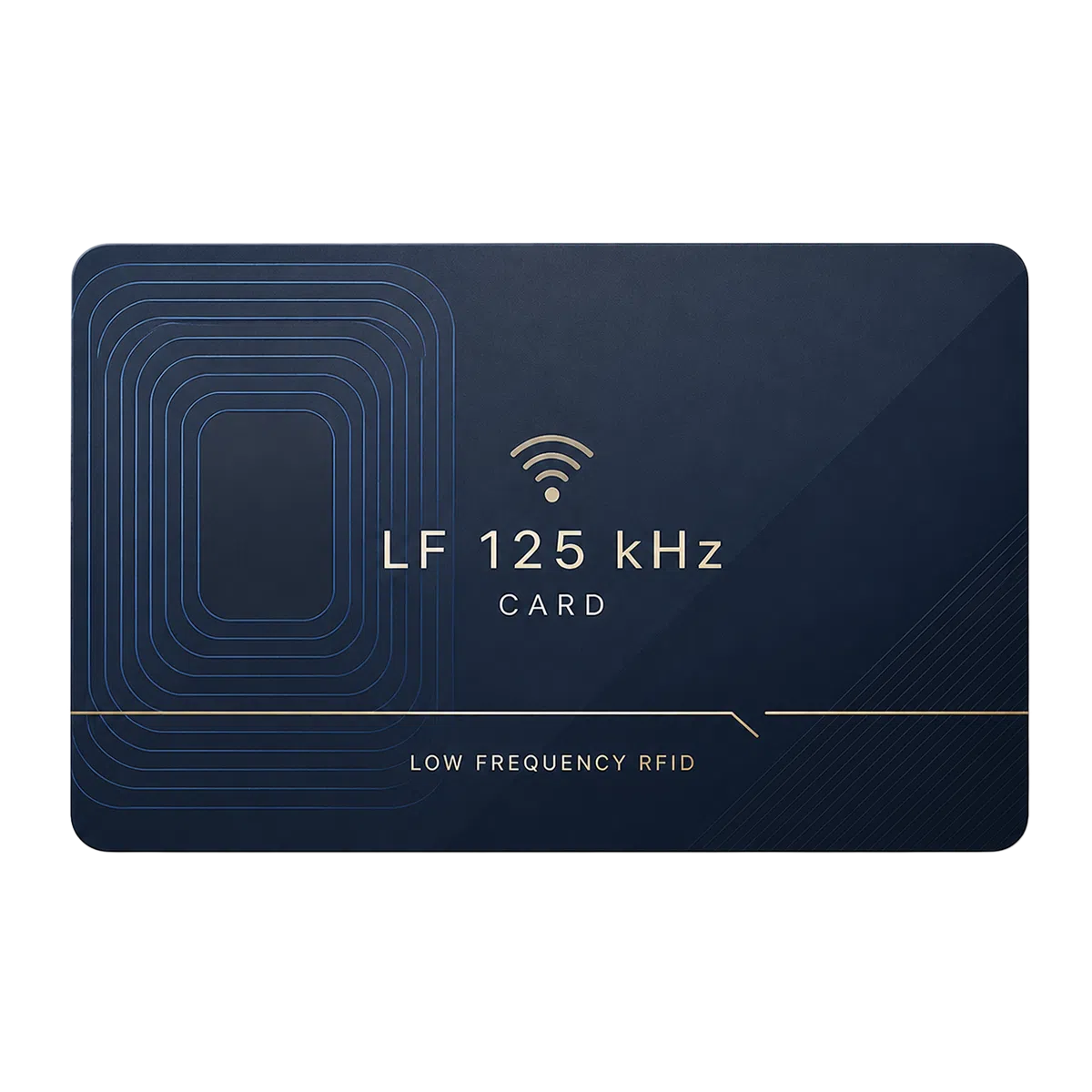
LF RFID Card | 125 kHz Proximity Card
Custom 125 kHz LF RFID cards with EM4100, TK4100, HID-compatible chip options. Ideal for access control, attendance & parking. OEM/ODM, bulk pricing available.
View Details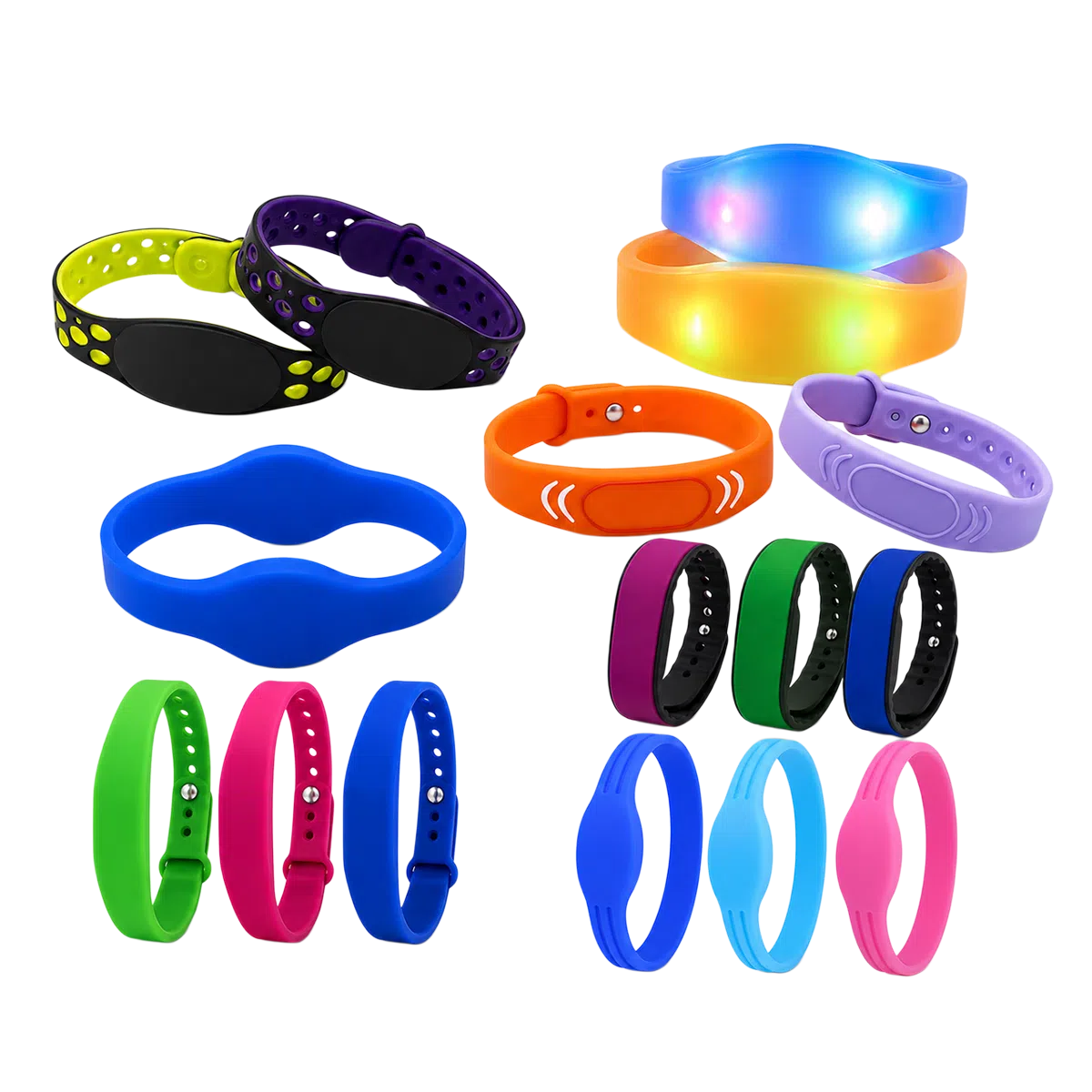
CedaGlo Custom RFID Silicone Wristbands
Reusable custom silicone RFID wristbands with LF, HF and NFC chip options for events, access control, cashless payment and brand promotion.
View Details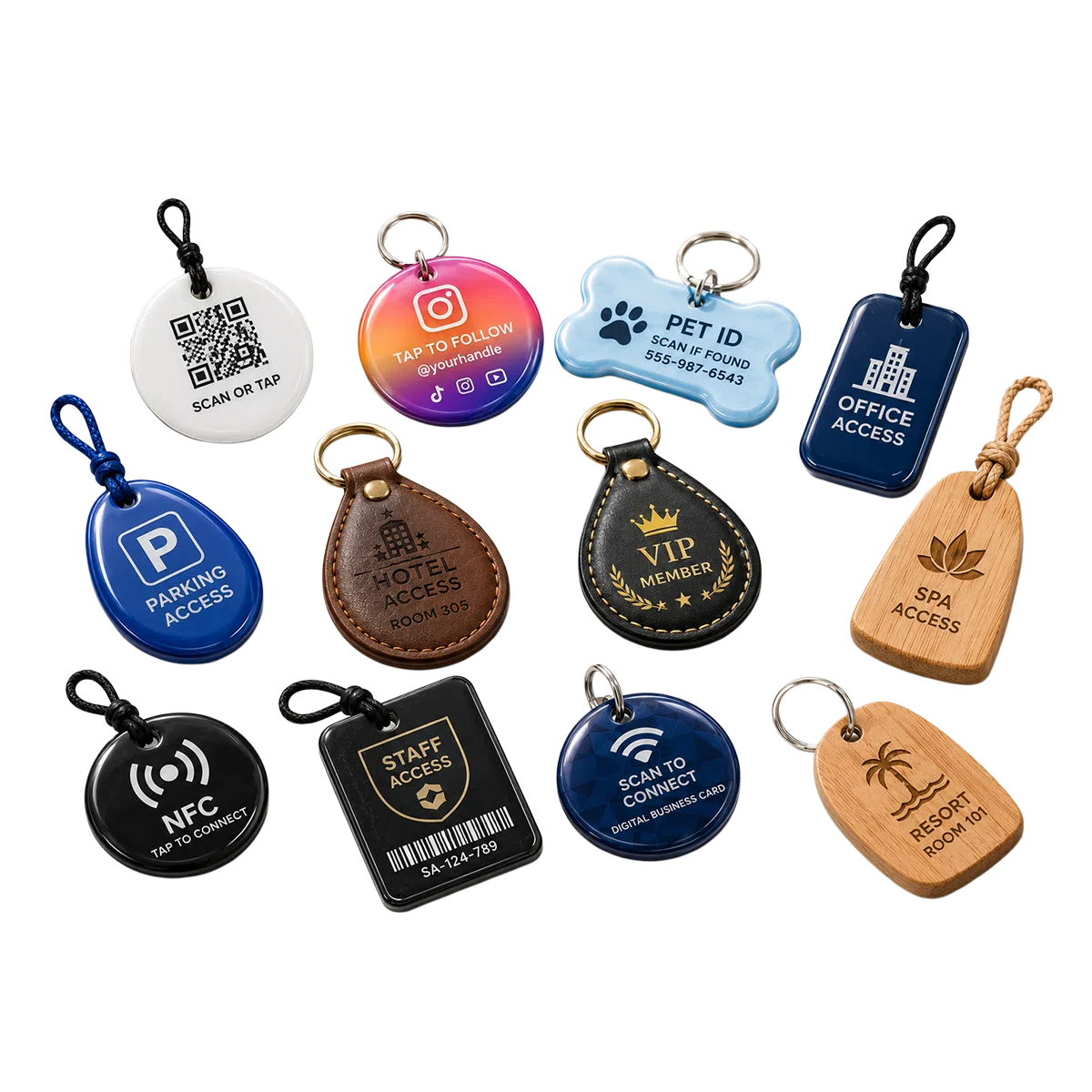
Custom RFID Keyfob │ ABS, Epoxy, Leather & Wood
Order custom RFID keyfobs in ABS, epoxy, leather or wood with LF, HF and NFC chips, logo printing, UID encoding and volume pricing support.
View Details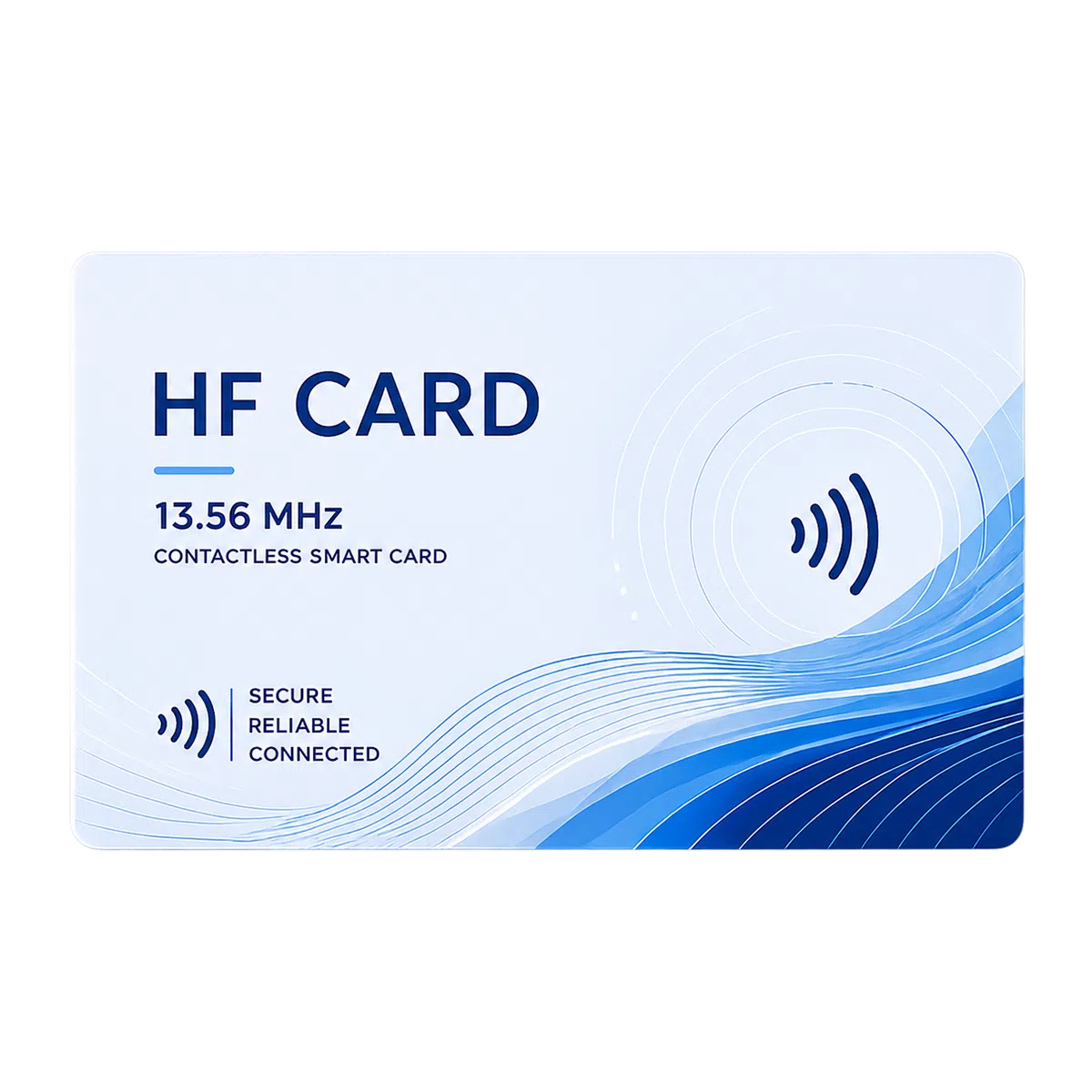
HF RFID Card | 13.56 MHz Contactless Smart Card
CedaGlo 13.56 MHz HF RFID cards with MIFARE Classic, DESFire, NTAG, ICODE chip options. Ideal for access control, transit, campus & payment. OEM/ODM available.
View DetailsTell Us How the Gate Will Be Used
Every cabinet carries the same 125kHz LF and 13.56MHz HF reading, Wiegand 26/34 wiring and a TCP/IP, RS485 or TTL232 controller link, so one software setup covers all three. Send the passage width you need, the credential your members already carry and whether the site is indoors or outdoors, and we will size the order.