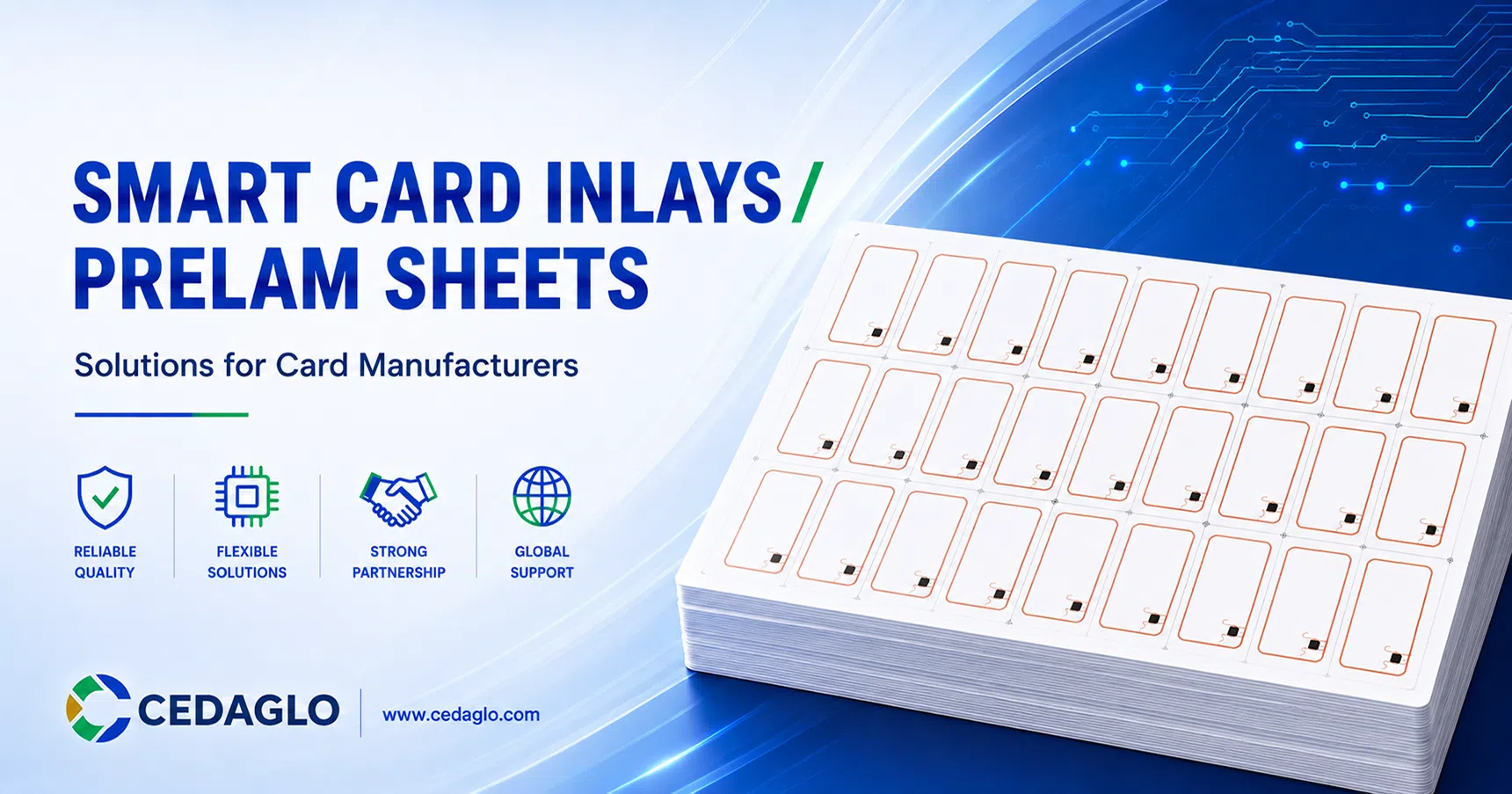
Smart Card Inlays & Prelam Sheets | LF HF UHF Dual-Interface
Prelaminated Inlay Sheets for Card Manufacturers — Ready for Lamination
CedaGlo manufactures smart card inlays and RFID prelam sheets (prelaminated inlays) for professional card production — covering LF 125 kHz, HF/NFC 13.56 MHz, UHF 860–960 MHz and dual-interface constructions. Built on international and domestic chip platforms with tight thickness tolerance down to ±0.01 mm, every sheet is engineered for stable lamination yield, consistent RF performance and efficient finished-card manufacturing.
- LF · HF · UHF
& Dual-Interface - ±0.01 mm
Thickness Tolerance - 9 Auto Lines
20M Units / Month - Multi-Stage QC
Batch Traceability
Product Overview
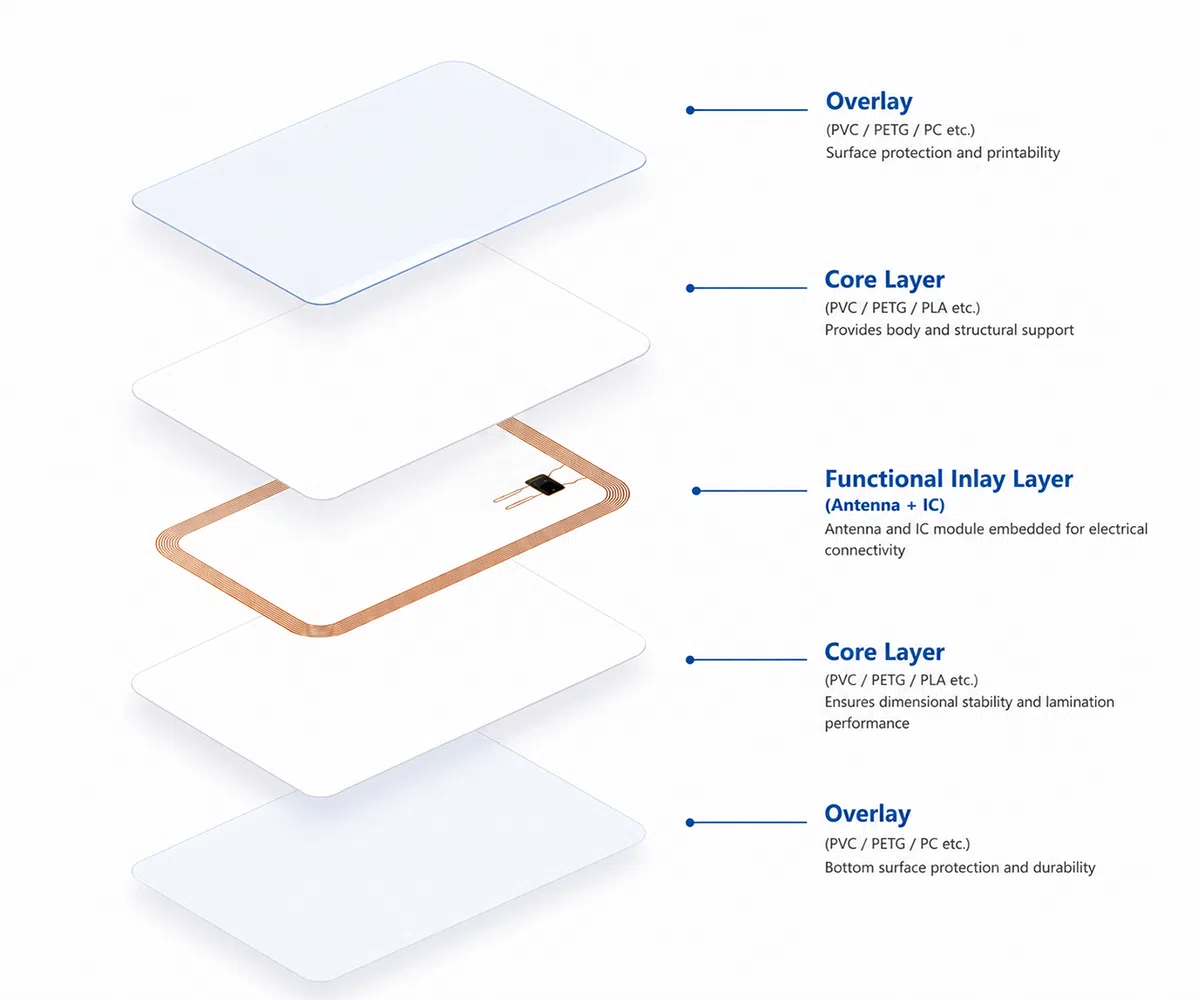
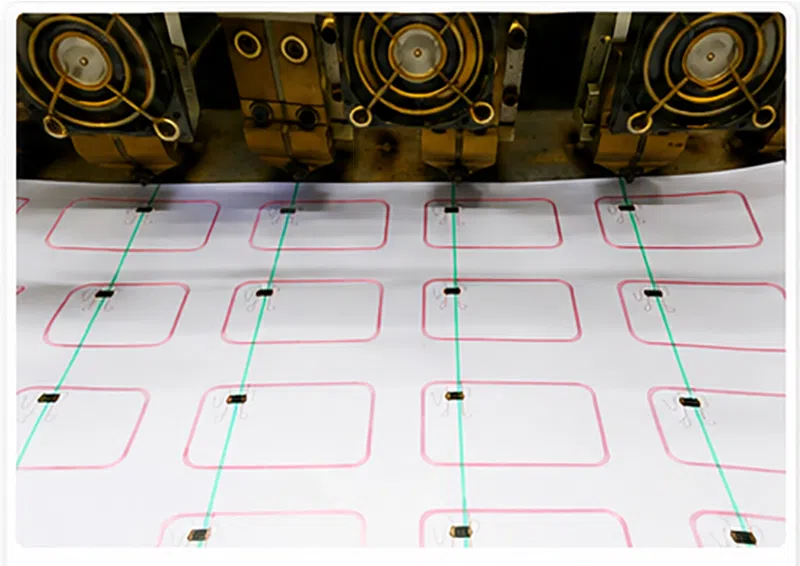
CedaGlo smart card inlays — also known as RFID prelam sheets, prelaminated inlays or inlay sheets — are semi-finished sheets with the antenna and IC already embedded, welded and pre-laminated. Card manufacturers simply collate printed overlays with the prelam and laminate the stack, cutting process steps and protecting lamination yield.
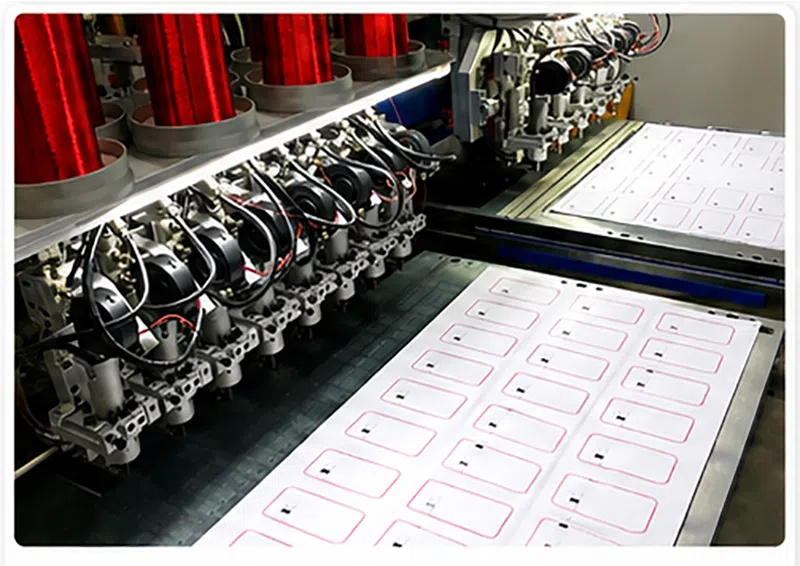
We supply two complete product lines: dual-interface smart card prelamination sheets for contact + contactless CPU card programs, and contactless RFID prelamination sheets across LF 125 kHz, HF/NFC 13.56 MHz and UHF 860–960 MHz. Every sheet is produced on 9 fully automatic lines with a monthly capacity of 20,000,000 units, and the same inlay technology powers our finished HF RFID cards.
Why Card Manufacturers Evaluate New Inlay Partners
Card manufacturers rarely change inlay suppliers without a reason. Evolving project requirements, supply considerations and quality expectations create the need for additional qualified sourcing options.
Supply Stability
Extended semiconductor lead times and regional supply fluctuations have increased sourcing risk. Many factories are qualifying additional inlay suppliers to protect supply continuity.
Production Consistency
Inconsistent thickness control or RF performance directly impacts lamination yield and production efficiency, especially in high-volume card programs.
Specialized Project Requirements
Demand for ultra-thin banking cards, eco-material cards and customized constructions is pushing manufacturers to expand sourcing flexibility.
Cost Optimization
Rising competition encourages manufacturers to optimize material and IC sourcing strategies while maintaining required ISO performance standards.
How We Support Card Manufacturers
Stable Supply Continuity
Flexible IC sourcing across major international and domestic platforms to secure production planning and reduce lead-time exposure.
Thickness Consistency
Tight tolerance control for consistent inlay quality, stable lamination performance and improved production yield.
Specialized Card Projects
Ultra-thin constructions, eco-material options such as PLA and PETG, and customized builds for premium applications.
Fast Engineering Support
Rapid layout design, antenna tuning and fast sample turnaround to accelerate project development and time-to-market.
Strict Quality Control
Multi-stage inspection and process control with batch traceability, delivering consistent quality in every shipment.
Eco-Material Readiness
PLA, PETG, R-PVC and other sustainable materials to help meet evolving ESG requirements and market expectations.
Key Technical Highlights
±0.01 mm Precision Tolerance
Standard tolerance ±0.02 mm, with tight control down to ±0.01 mm for high-precision projects.
9 Fully Automatic Production Lines
Ultrasonic wire embedding, automatic antenna implanting, auto-welding and full auto-chip assembly.
20,000,000 Units Monthly Capacity
Volume headroom for large national and multi-country card programs without schedule risk.
International + Domestic IC Platforms
NXP, Infineon, EM and ST alongside Fudan, Huada and NSING for sourcing flexibility and lead-time resilience.
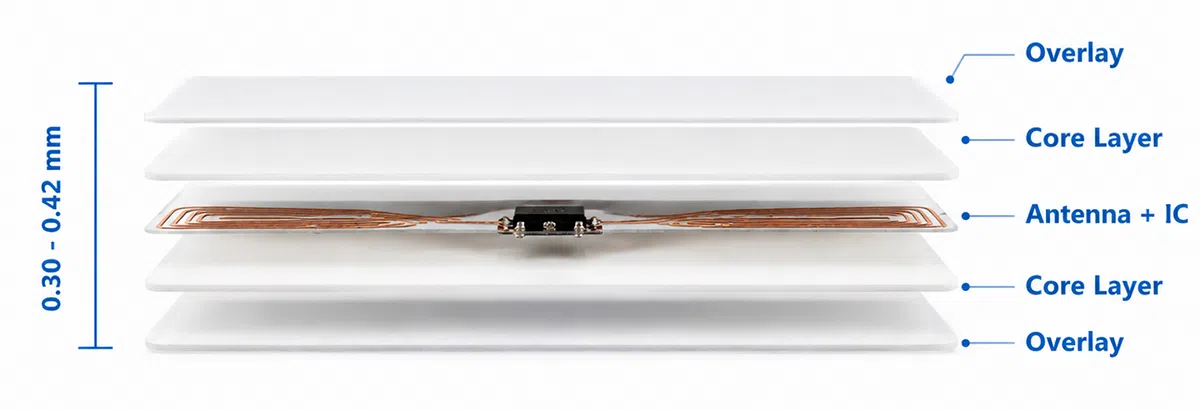
Ultra-Thin From 0.30 mm
Customized constructions from 0.30 mm to 0.42 mm and above for ultra-thin and premium card designs.
Three Antenna Technologies
Pre-wound copper coil, ultrasonic embedded wire and etched antenna matched to frequency and project needs.
Ultra-Thin Card Construction
Engineered for performance. Built for flexibility. We support ultra-thin and customized card constructions tailored to demanding application requirements and lamination standards — from ultra-thin banking form factors to premium multi-layer builds. Typical thickness range: 0.30 mm – 0.42 mm; other customized thicknesses available upon request.
Ultra-Thin Support
Enabling ultra-thin card designs for premium applications.
Stable Performance
Consistent lamination and reliability in every construction.
Precise Tolerance
Thickness control down to ±0.01 mm for high-precision projects.
Flexible Solutions
Multiple material combinations matched to your application.
Manufacturing & Quality Control
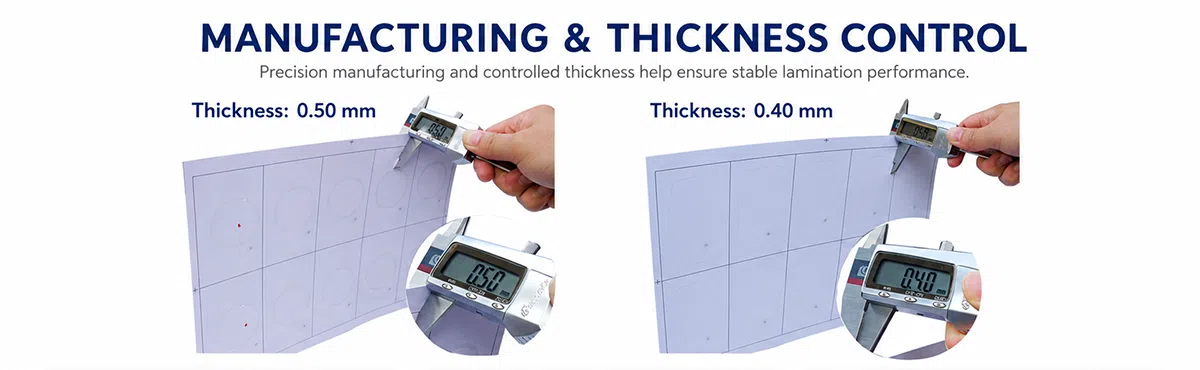
Precision manufacturing and controlled thickness ensure stable lamination performance. Every sheet is measured and verified — because a ±0.01 mm difference at the inlay stage decides your lamination yield at the press.
Raw Material Control
Strict incoming inspection for stable material quality.
Precise Manufacturing
High-precision processes for consistent performance.
In-Process Inspection
Real-time monitoring to ensure process stability.
Final Inspection
Comprehensive RF and dimensional testing for every batch.
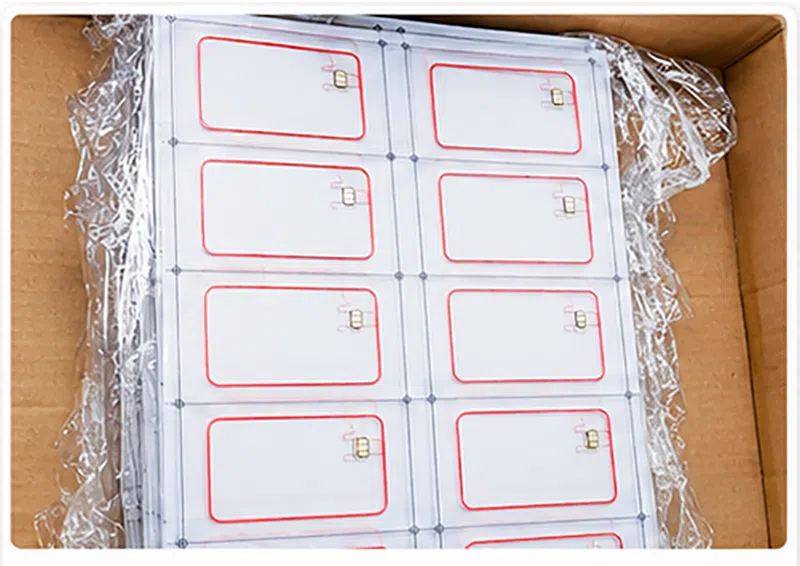
Secure Packaging
Clean, dust-protected packaging for safe global delivery.
Custom Sheet Layouts & Product Formats
Engineered layouts for efficient production and optimal performance — optimized spacing and alignment for high yield, with CAD-accurate drawings for seamless integration into your press format.
2×53×73×84×54×75×54×86×88×10Custom
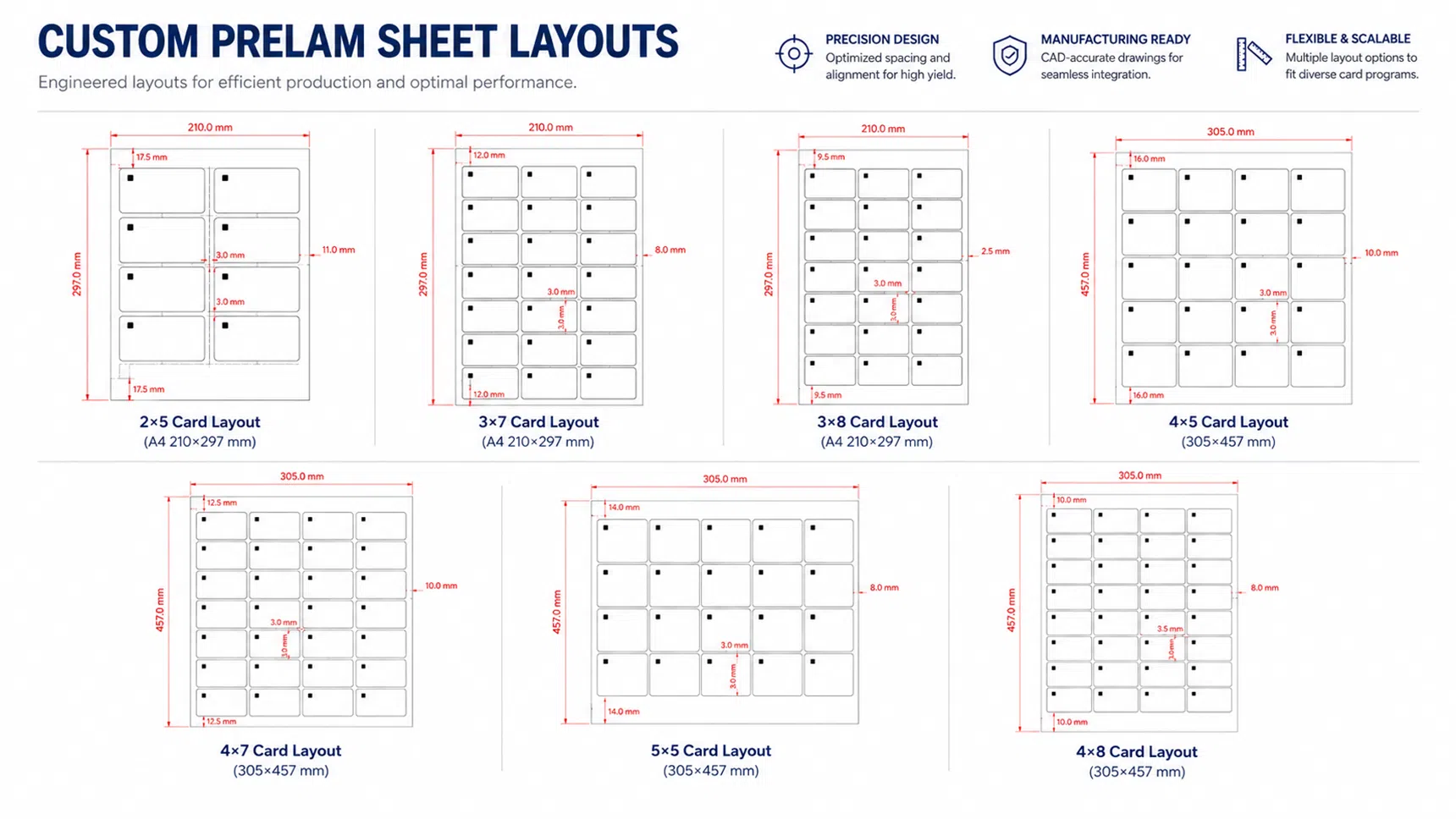
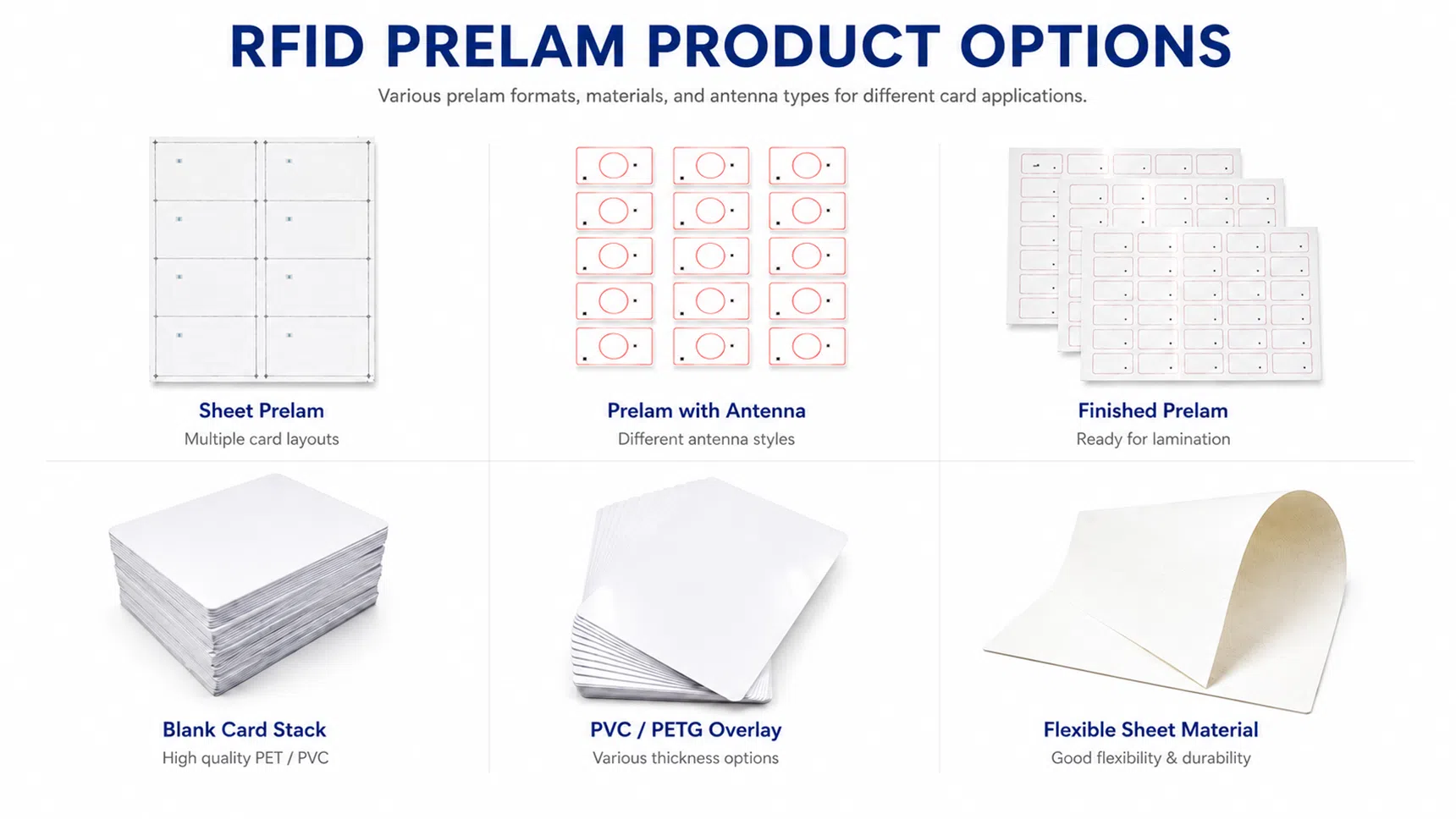
Beyond finished prelam, we supply the full range of inlay formats for card production — sheet prelam in multiple card layouts, antenna-only prelam, lamination-ready finished prelam, blank PET/PVC card stock, PVC/PETG overlays and flexible sheet materials.
Product Lines & Specifications
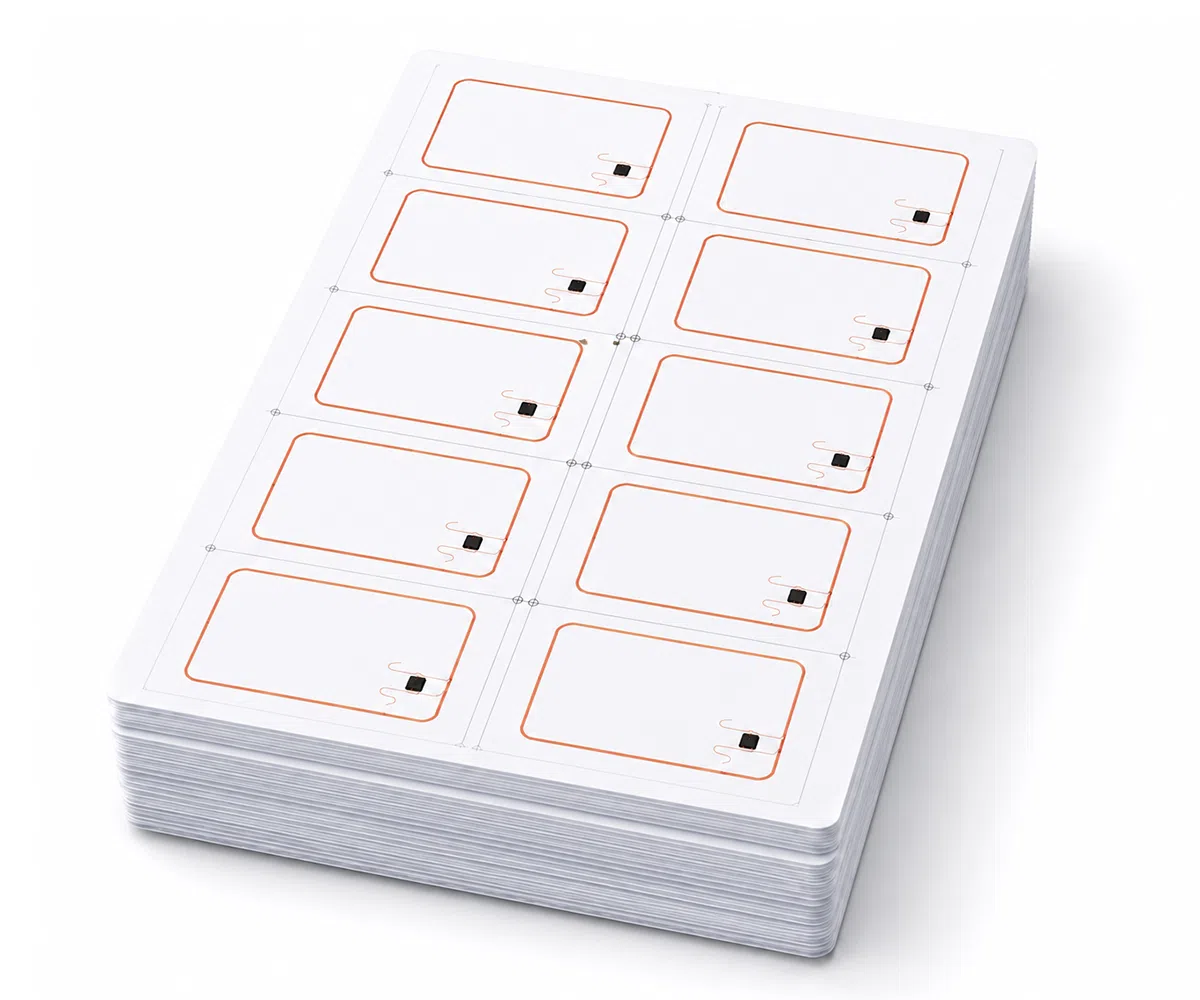
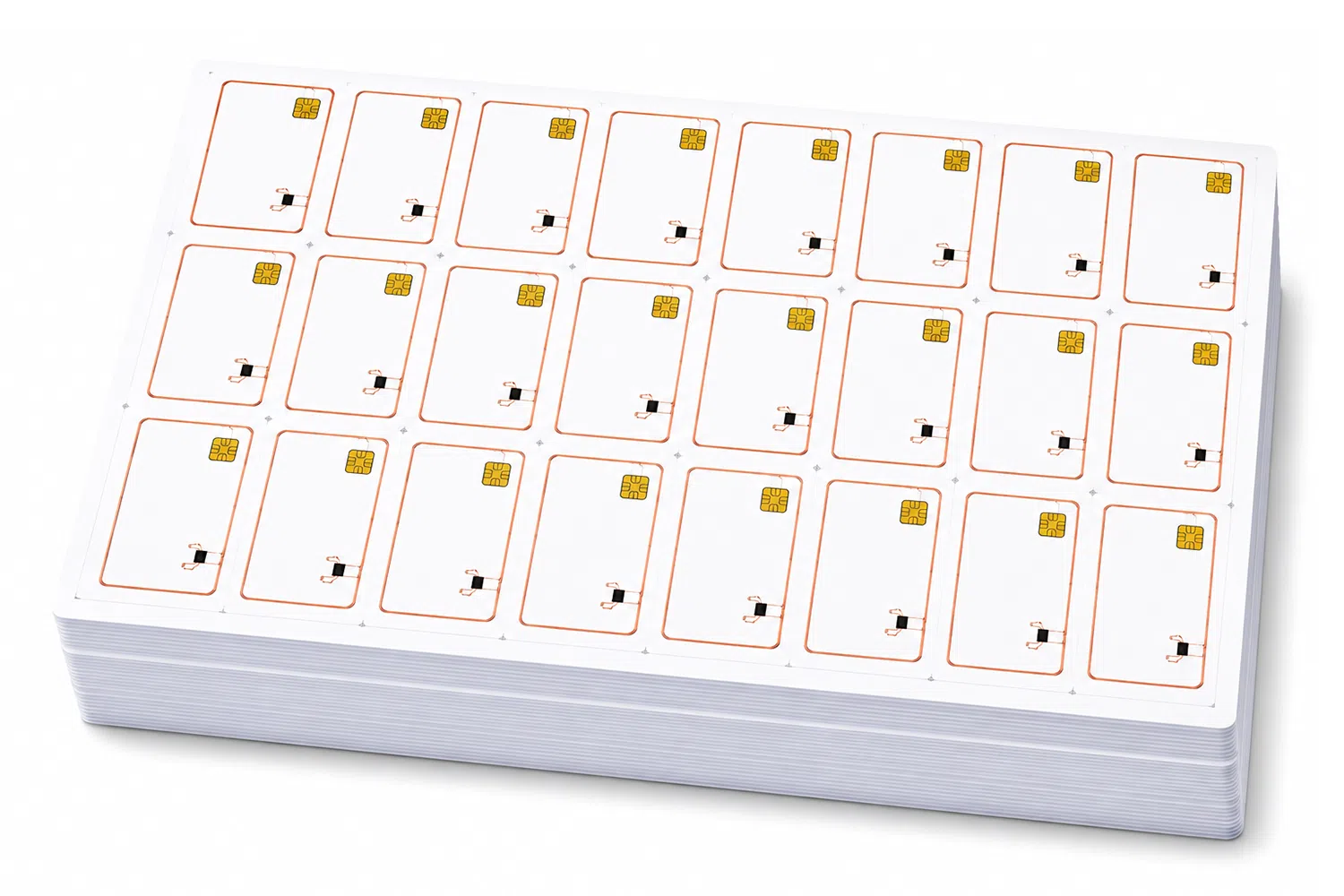
Dual-Interface Smart Card Prelamination Sheets
| Item | Specification |
|---|---|
| Antenna Type | Linear / Coupling / Zig-Zag |
| Sheet Size | 460×310 mm / 476×380 mm / 486×410 mm or customized |
| Layout | 2×5 / 3×6 / 3×8 / 4×4 / 4×8 / 4×10 / 5×5 / 6×8 / customized |
| Thickness | 0.15 / 0.21 / 0.42 ±0.02 mm or customized |
| Material | PVC / ABS / PETG |
| Chip & Frequency | Per project requirement |
Contactless RFID Card Prelamination Sheets
| Item | HF | UHF | LF |
|---|---|---|---|
| Frequency | 13.56 MHz or customized | 860–960 MHz | 125 kHz |
| Sheet Size | 460×310 mm / 476×380 mm / 486×410 mm or customized | ||
| Layout | 2×5 / 3×6 / 3×8 / 4×4 / 4×8 / 4×10 / 5×5 / 6×8 or customized | ||
| Thickness with IC | 0.4–0.5 ±0.02 mm or customized | 0.4–0.5 ±0.02 mm or customized | 0.5/0.55 ±0.02 mm or customized |
| Thickness without IC | 0.4–0.5 ±0.02 mm or customized | 0.4–0.5 ±0.02 mm or customized | 0.5/0.55 ±0.02 mm or customized |
| Chip Platforms | NXP, Infineon, EM, TI | Fudan, Alien, Impinj, Avery Dennison or customized | NXP, EM, TK series, Atmel or customized |
| Material | PVC / ABS / PETG | ||
Key Features
- Ultrasonic wire embedding and full auto-chip assembly
- Thickness tolerance control down to ±0.01 mm
- Completely flat finish for high lamination yield
- Batch traceability across every production stage
- International and domestic IC platforms on one supply chain
- Custom layouts from 2×5 up to 8×10
- PVC, ABS, PETG plus PLA and R-PVC eco options
- Dual-interface and dual-frequency constructions supported
- Multi-stage inspection from raw material to packing
- Stable RF performance verified before shipment
- Clean, secure packaging protected from dust
- Reliable lead times backed by 9 automatic lines
Technical Specifications
| Parameter | Specification |
|---|---|
| Product Types | Dual-interface smart card prelam / Contactless RFID prelam (LF, HF/NFC, UHF, dual-frequency) |
| Frequencies | 125 kHz / 13.56 MHz / 860–960 MHz |
| Standards | ISO/IEC 7816, ISO/IEC 14443 A/B, ISO/IEC 15693, ISO/IEC 18000-63 (EPC Gen2v2), ISO 11784/85 |
| Sheet Sizes | 460×310 / 476×380 / 486×410 mm or customized |
| Layouts | 2×5, 3×6, 3×7, 3×8, 4×4, 4×5, 4×7, 4×8, 4×10, 5×5, 6×8, 8×10 or customized |
| Thickness | Dual-interface 0.15/0.21/0.42 ±0.02 mm; contactless 0.4–0.55 mm; ultra-thin from 0.30 mm |
| Tolerance | ±0.02 mm standard; down to ±0.01 mm for high-precision projects |
| Materials | PVC / ABS / PETG; eco options PLA, R-PVC |
| Antenna Technology | Pre-wound copper coil, ultrasonic embedded wire, etched antenna |
| Chip Platforms | NXP, Infineon, EM, ST, TI, Impinj, Alien, Microchip; Fudan, Huada, NSING |
| Production | 9 fully automatic lines; monthly capacity 20,000,000 units |
| Quality Process | Raw material control, precise manufacturing, in-process inspection, final inspection, secure packaging |
Volume Pricing
| Quantity | Unit Price (USD / unit) |
|---|---|
| 100 – 199 units | From US$0.30 |
| 200 – 299 units | From US$0.28 |
| 300 – 499 units | From US$0.26 |
| 500+ units (volume / project orders) | Contact Sales |
1 unit = 1 card position on the prelam sheet (e.g., one 3×8 layout sheet = 24 units).
Final pricing depends on chip platform, sheet layout, thickness and order volume — contact our sales team for an exact project quote.
Supported Chip Platforms & Selection Guide
We embed 55+ passive transponder chip families across international and domestic platforms — matched to your frequency band, security model and application. Part numbers below are product-family level; exact suffixes encode memory, delivery format and tuning capacitance, confirmed per project.
Green-tinted badges indicate domestic (CN) platforms — supporting sourcing flexibility and lead-time resilience alongside international suppliers.
Filter across all chip tables below — try a part number, brand or application (e.g. DESFire, Fudan, transit). Wide tables scroll horizontally on desktop and stack as cards on mobile.
LF · 125/134 kHz Chip Selection
| Chip Family | Brand | Standard / Air Interface | Memory | R/W | Security & Key Features | Best For |
|---|---|---|---|---|---|---|
| EM4100 / EM4102 | EM (CH) | 125 kHz proprietary | 64-bit ROM | RO | Fixed factory UID, no encryption | Access, attendance, membership |
| EM4200 | EM (CH) | 125 kHz read-only | 64/96/128-bit ROM | RO | EM4100 successor, longer range | Access control, asset ID |
| EM4205 / EM4305 | EM (CH) | ISO 11784/85 (FDX-B) | 512-bit EEPROM | R/W | EM-family emulation, animal ID | Pet/livestock chips, R/W access |
| EM4450 / EM4550 | EM (CH) | 125 kHz | 1 kbit EEPROM | R/W | Password protection, data carrier | Access, industrial data tags |
| EM4569 | EM (CH) | 125 kHz | 1 kbit EEPROM | R/W | Read/write ID device | Industrial ID, logistics |
| HITAG 1 (S256/S2048) | NXP (NL) | 125 kHz, anti-collision | 256 / 2048-bit | R/W | Noise immunity, multi-tag reads | Laundry, logistics, industrial |
| HITAG 2 | NXP (NL) | 125 kHz | 256-bit | R/W | Legacy proprietary crypto (weak) | Immobilizer, legacy access |
| HITAG S | NXP (NL) | ISO 11784/85 | 256 / 2048-bit | R/W | Password, unique TID, anti-collision | Animal ID, laundry, industrial |
| HITAG µ NEW | NXP (NL) | 125 kHz, ISO 11784/85 | up to 3 kbit | R/W | Latest LF platform, higher memory | Animal ID, industrial, access |
| T5577 / ATA5577 | Microchip (US) | 125/134 kHz multi-modulation | 363-bit EEPROM | R/W | Universal emulator (EM, HID Prox, Indala) | Universal LF blank, credential encoding |
| T5557 / e5551 | Microchip (US) | 125 kHz | ~330-bit EEPROM | R/W | Programmable T5577 predecessor | Legacy access, emulation |
| HID Prox (ProxCard II) | HID (US) | 125 kHz proprietary Wiegand | Fixed credential | RO | 26–37-bit Wiegand format | Corporate building access |
| TK4100 / FM4100 | Fudan / generic (CN) | 125 kHz read-only | 64-bit ROM | RO | Cost-efficient EM4100-compatible | Cost-driven access, attendance |
| F5577 | Fudan / generic (CN) | 125 kHz | ~363-bit EEPROM | R/W | T5577-compatible rewritable | Rewritable access, emulation |
HF / NFC · 13.56 MHz Chip Selection
| Chip Family | Brand | Standard / Air Interface | Memory | R/W | Security & Key Features | Best For |
|---|---|---|---|---|---|---|
| MIFARE Classic 1K/4K EV1 | NXP (NL) | ISO 14443A | 1 KB / 4 KB | R/W | Crypto-1 (legacy, cryptographically broken) | Existing transit, access, ticketing |
| MIFARE Ultralight / C / EV1 / AES | NXP (NL) | ISO 14443A, NFC Type 2 | 48–192 B | R/W | AES Ultralight C: 3DES; AES variant: AES-128 | Limited-use tickets, events |
| MIFARE Plus EV1/EV2 | NXP (NL) | ISO 14443A | 2 KB / 4 KB | R/W | AES AES-128, SL1–SL3, Crypto-1 upgrade path | Transit, access, ticketing |
| MIFARE DESFire EV1/EV2/EV3/Light | NXP (NL) | ISO 14443A, NFC Type 4 | 2 / 4 / 8 KB | R/W | AES AES-128, up to 28 apps, CC EAL5+ | Multi-app transit, ID, micro-payment |
| MIFARE DUOX NEW | NXP (NL) | ISO 14443-4 | Secure file system | R/W | AES AES-256 + ECC public-key | High-security transit, access, ID |
| NTAG 210 / 212 | NXP (NL) | NFC Type 2 | 48 / 128 B | R/W | Basic mass-market NFC | Retail, gaming, publishing |
| NTAG 213 / 215 / 216 | NXP (NL) | NFC Type 2 | 144 / 504 / 888 B | R/W | Password, UID mirror, TagTamper option | NFC marketing, engagement |
| NTAG 424 DNA / TagTamper | NXP (NL) | ISO 14443-4, NFC Type 4 | 416 B | R/W | AES AES-128, SUN messaging, CC-certified | Anti-counterfeit, authentication |
| NTAG 223 / 224 DNA NEW | NXP (NL) | NFC Type 2/4 | User memory | R/W | AES AES-128, tamper / battery-free sensing | Trusted IoT, healthcare |
| NTAG 5 / NTAG I2C plus | NXP (NL) | ISO 15693, NFC Type 5 + I2C | up to 8 KB | R/W | I2C bridge, energy harvesting | IoT pairing, sensors |
| NTAG X DNA NEW | NXP (NL) | ISO 14443-4 + I2C, VHBR | Secure EEPROM | R/W | AES CC EAL6+, PKI / ECC | Device & consumable authentication |
| ICODE SLIX / SLIX2 / DNA | NXP (NL) | ISO 15693, NFC Type 5 | 128 B – 2560-bit | R/W | Vicinity range, EAS; DNA adds AES-128 | Library, item-level retail |
| ST25TA | ST (EU) | ISO 14443A, NFC Type 4 | 512 b – 64 kb | R/W | Password, ~200-year retention | Consumer NFC, product info |
| ST25TN / ST25TV | ST (EU) | ISO 15693, NFC Type 5 | 512 b – 64 kb | R/W | TruST25 digital signature, tamper detect | Brand protection, wine/pharma, ESL |
| ST25DV | ST (EU) | ISO 15693, NFC Type 5 + I2C | 4 – 64 kb | R/W | Energy harvesting, fast-transfer mailbox | IoT, ESL, industrial metering |
| ST25TB / SRIX4K | ST (EU) | ISO 14443B | 512 b – 4 kb | R/W | Anti-tearing, transport-optimized | Transit ticketing, event access |
| EM4233 / EM4237 | EM (CH) | ISO 15693, NFC Type 5 | up to 2 kbit | R/W | Anti-collision, EAS | Library, asset, ticketing |
| my-d move NFC | Infineon (DE) | ISO 14443 / 15693, NFC | up to 10 kbit | R/W | Configurable secure options | Ticketing, access, IoT |
| FM11RF08 / 08S / RF32 | Fudan (CN) | ISO 14443A | 1 KB / 4 KB | R/W | MIFARE Classic-compatible | Cost-driven transit, campus |
| FM1108 / FM11RF005 | Fudan (CN) | ISO 14443A, NFC Type 2 | 1 KB / UL-class | R/W | Classic / Ultralight compatible | Access, disposable tickets |
| LEGIC advant / prime | LEGIC (CH) | ISO 14443 / 15693 | up to 64 kB | R/W | AES Proprietary secure, managed keys | High-security closed systems |
| Tag-it HF-I | TI (US) | ISO 15693, NFC Type 5 | 256 b – 2 kb | R/W | Legacy vicinity tag | Library, laundry (legacy) |
UHF / RAIN · 860–960 MHz Chip Selection
| Chip Family | Brand | Standard / Air Interface | Memory | R/W | Security & Key Features | Best For |
|---|---|---|---|---|---|---|
| Monza 4 (4D/4E/4QT/4iL) | Impinj (US) | EPC Gen2v2, ISO 18000-63 | up to 512-bit user | R/W | AutoTune, QT public/private memory | Retail, supply chain |
| Monza R6 / R6-P / R6-A | Impinj (US) | EPC Gen2v2 | 32–96-bit user | R/W | Adaptive tuning, high sensitivity | Apparel, logistics, hospitality |
| Monza X-2K / X-8K | Impinj (US) | EPC Gen2 + I2C | 2 / 8 kbit | R/W | Battery-assist mode, embedded IoT | Equipment, cold chain |
| M700 (M730–M775) | Impinj (US) | EPC Gen2v2 | 32-bit user, 128-bit EPC | R/W | −22 to −24 dBm sensitivity | Retail, high-density inventory |
| M780 / M781 | Impinj (US) | EPC Gen2v2 | Larger user memory | R/W | Extended item-attribute storage | Pharma, food, automotive |
| M800 (M810/M830/M850) NEW | Impinj (US) | EPC Gen2v2 / Gen2X | up to 32-bit user | R/W | −25.5 dBm, AutoTune V3, smallest die | High-speed inventory |
| UCODE 7 / 7m / 7xm | NXP (NL) | EPC Gen2v2, ISO 18000-63 | up to 2 kbit user | R/W | Pre-serialized EPC, EAS | Retail, brand protection |
| UCODE 8 / 8m | NXP (NL) | EPC Gen2v2 | 128-bit EPC / user option | R/W | Self-adjust tuning | Apparel, logistics |
| UCODE 9 / 9xe / 9xm NEW | NXP (NL) | EPC Gen2v2 | 96–496-bit EPC | R/W | −24 dBm, miniaturized die | Retail, food, logistics |
| UCODE DNA / City / Track | NXP (NL) | EPC Gen2v2 | User memory | R/W | AES AES-128 cryptographic authentication | Tolling, secure supply chain |
| UCODE G2iM / G2iM+ | NXP (NL) | EPC Gen2 | up to 512-bit user | R/W | Configurable memory (legacy) | Industrial, asset |
| Higgs-3 | Alien (US) | EPC Gen2v2, ISO 18000-63 | 800-bit | R/W | Large user memory, versatile | Baggage, laundry, genealogy |
| Higgs-4 | Alien (US) | EPC Gen2v2 | 448-bit | R/W | Small die, high volume | Apparel hang tags, retail |
| Higgs-EC | Alien (US) | EPC Gen2v2 | 480-bit | R/W | High R/W sensitivity, IoT-oriented | General high-volume, IoT |
| Higgs-9 NEW | Alien (US) | EPC Gen2v2 | 1024-bit | R/W | High memory + performance | High-memory asset, offline data |
| EM4124 / EM4126 | EM (CH) | EPC Gen2, ISO 18000-63 | 96–496 EPC / 512-bit user | R/W | Passive Gen2 | Logistics, asset tracking |
| EM4325 | EM (CH) | EPC Gen2v2 + ISO 18000-64, SPI | 4 kbit | R/W | Battery-assist, on-chip temp sensor | Cold chain, aerospace logistics |
| QR2233 / eStar | Quanray (CN) | EPC Gen2v2 | up to 512-bit user | R/W | Cost-efficient domestic Gen2 | Retail, apparel |
| FM13UF series | Fudan (CN) | EPC Gen2v2 | Varies by part | R/W | Domestic Gen2 | Logistics, asset |
| Magnus S3 | Axzon (US) | EPC Gen2 + sensor | Sensor + user memory | R/W | On-chip moisture / temperature sensing | Sensing, medical, industrial |
Dual-Frequency Chip Selection
| Chip Family | Brand | Standard / Air Interface | Memory | R/W | Security & Key Features | Best For |
|---|---|---|---|---|---|---|
| EM4423 | EM (CH) | ISO 15693 / NFC Type 5 + EPC Gen2v2 | Shared user memory | R/W | HF + UHF single die, shared UID | Smart packaging, brand + logistics |
| EM4425 (em|echo-V) | EM (CH) | ISO 15693 / NFC Type 5 + EPC Gen2v2 | 2048-bit shared | R/W | AES AES-128, digital signature, shared UID | Retail, authentication, engagement |
| LF + HF combo (two chips) | Multi-vendor | 125 kHz + ISO 14443A | Per embedded chip | R/W | Two independent chips in one card | LF to HF access migration window |
Frequency Bands & Standards — Quick Reference
| Band | Frequency | Core Standards | Typical Range | Data / Security | Best-Fit Applications |
|---|---|---|---|---|---|
| LF | 125 / 134 kHz | ISO 11784/85, proprietary access | ~3–10 cm (up to ~30 cm industrial) | 64-bit ID to ~3 kbit; mostly no/weak crypto | Access badges, attendance, animal ID, laundry |
| HF / NFC | 13.56 MHz | ISO 14443 A/B, ISO 15693, NFC Forum Type 2–5 | ~1–10 cm; up to ~1 m vicinity | 48 B – 64 kB; Crypto-1 to AES-128/256, ECC | Transit, secure access, payment, NFC marketing |
| UHF / RAIN | 860–960 MHz | EPC Gen2v2 / ISO 18000-63 | ~5–15 m passive | 96–496-bit EPC + user; optional AES-128 | Retail inventory, supply chain, tolling |
| Dual | 13.56 MHz + 860–960 MHz | ISO 15693 / NFC Type 5 + EPC Gen2v2 | NFC ~4 cm + UHF ~2.5–6.5 m | Shared memory, AES-128, digital signature | Smart packaging bridging NFC + warehouse UHF |
Chip Selection Notes for Card Manufacturers
- Security migration: MIFARE Classic-compatible parts remain functional equivalents at the card layer, but Crypto-1 is cryptographically broken — for new secure deployments we recommend MIFARE Plus, DESFire, ICODE DNA or NTAG 424 DNA and can support migration builds.
- UHF interoperability: All RAIN chips follow EPC Gen2v2 / ISO 18000-63, so they interoperate at the air-interface level — select by read sensitivity (lower dBm = better), memory size, die size and crypto/sensing features.
- Dual-frequency single die: EM4423 / EM4425 combine NFC and UHF with shared memory and UID, so one inlay serves both consumer smartphone taps and warehouse UHF inventory.
- Ordering codes: Exact part-number suffixes encode memory size, package, tuning capacitance and delivery format — we confirm the full orderable code with you per project before production.
- Read ranges are indicative for passive tags with a typical antenna and vary with reader power, antenna design and environment.
Application Scenarios
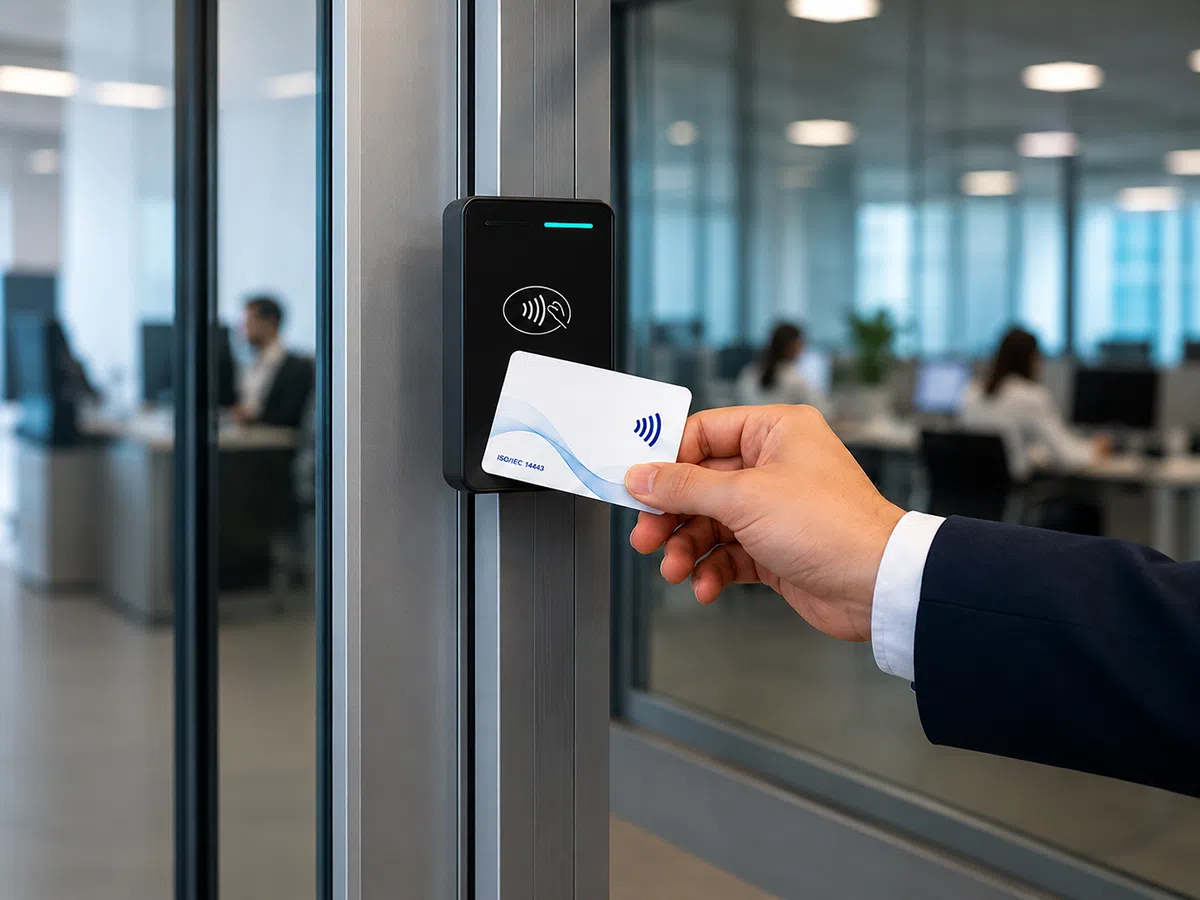
Access Control Cards
Credential card programs for corporate, campus and government facilities.
- HF and LF prelam for credential programs
- T5577 and MIFARE chip options available
- Stable read range after lamination
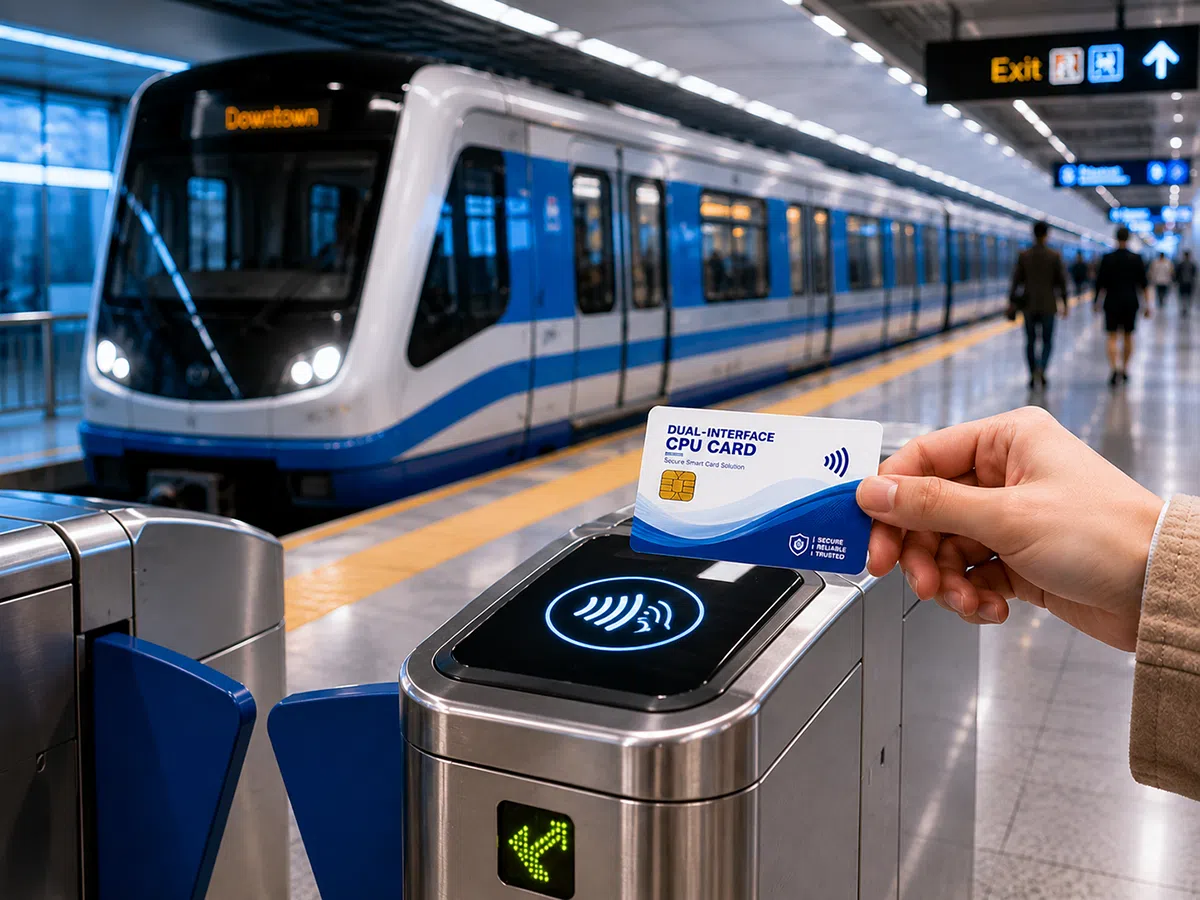
Transit & Ticketing
High-volume fare collection and event ticketing card production.
- High-volume 3×8 and 4×8 layouts
- MIFARE Plus and DESFire platforms supported
- Consistent thickness for high-speed punching
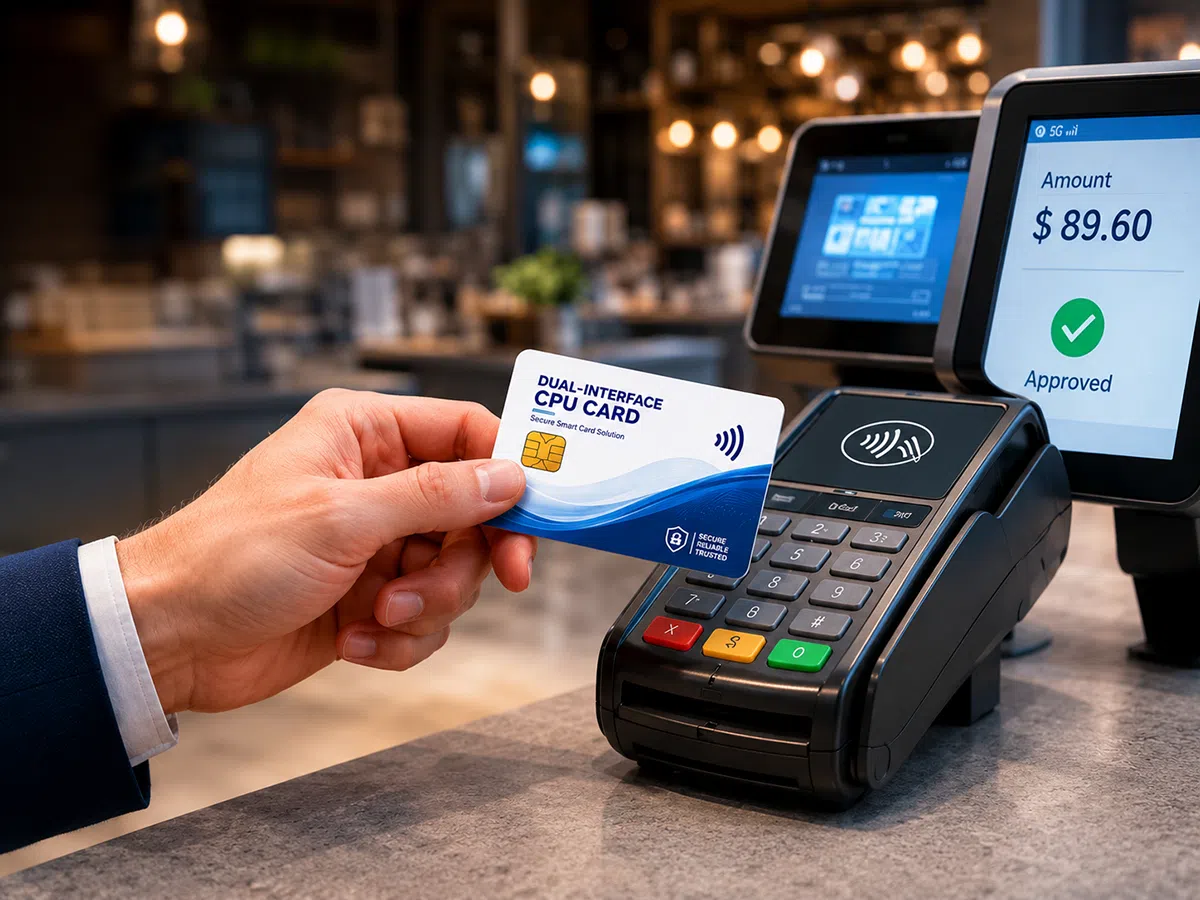
Payment & Banking Cards
Dual-interface card bodies for secure payment and banking programs.
- Dual-interface prelam for CPU card bodies
- Contact module positioning per ISO 7816
- Ultra-thin 0.30 mm constructions available
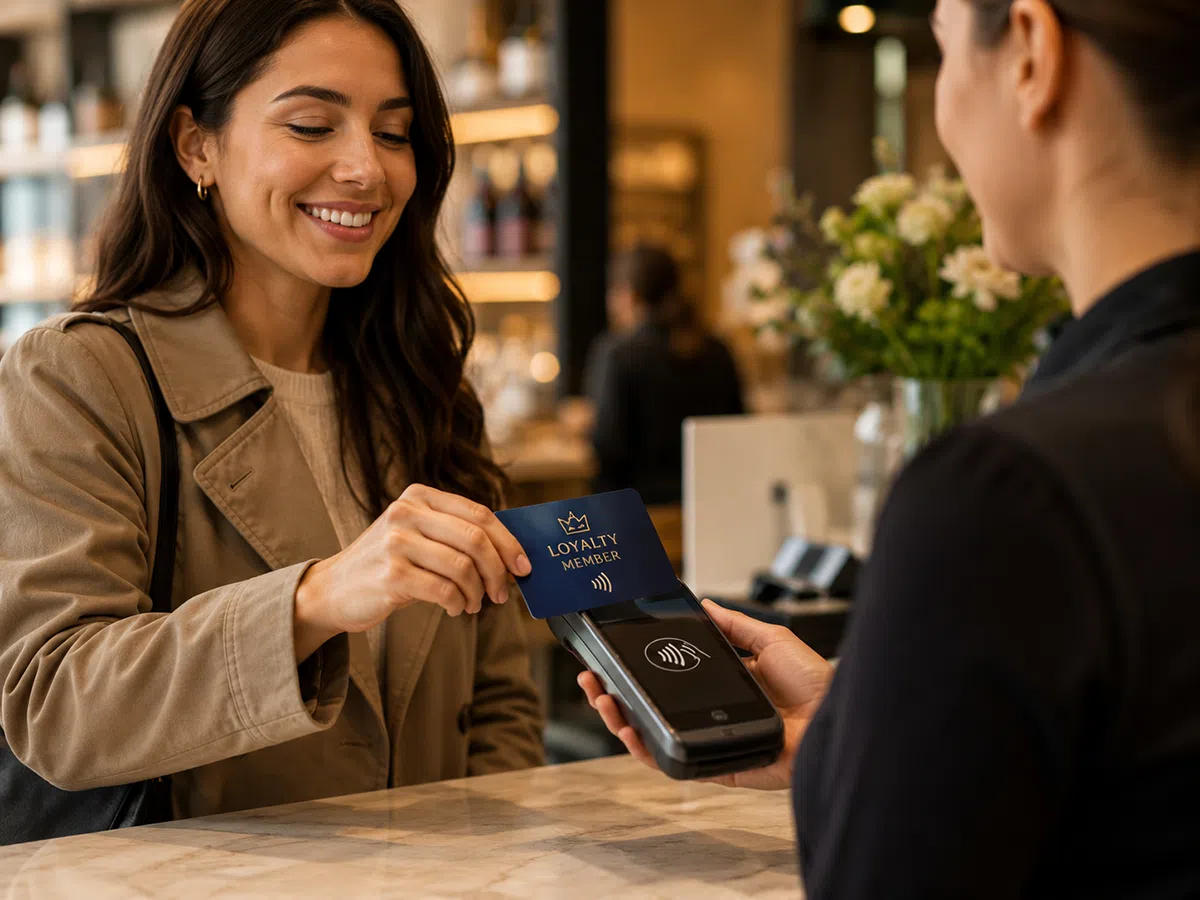
Hotel & Membership Cards
Key cards, loyalty and membership programs in hospitality and retail.
- Cost-efficient HF prelam for key cards
- PETG and eco-material options offered
- Custom layouts matching your press format
Frequently Asked Questions
What thickness tolerances do CedaGlo prelam sheets support?
Standard tolerance is ±0.02 mm across HF, UHF and LF constructions. For high-precision projects we control thickness down to ±0.01 mm, and we support ultra-thin builds from 0.30 mm to 0.42 mm. Every batch is caliper-verified before shipment, which keeps lamination yield stable at your press.
Are your inlay sheets compatible with standard card lamination processes?
Yes. Our prelam sheets use PVC, ABS or PETG base materials with a completely flat finish, engineered for standard hot-press lamination. You simply collate your printed overlays with the prelam and laminate the stack. Consistent thickness and welded antenna connections protect both lamination yield and post-lamination RF performance.
Which chip platforms can be embedded in your prelam sheets?
We support 55+ chip families across international platforms (NXP, Infineon, EM Microelectronic, STMicroelectronics, Impinj, Alien, Microchip) and domestic platforms (Fudan Microelectronics, Huada Semiconductor, NSING Technologies). This dual-platform supply chain gives you sourcing flexibility and lead-time resilience — see the chip selection guide above for the full list.
Do you supply dual-interface prelam sheets for banking and CPU card production?
Yes. Our dual-interface prelamination sheets support contact + contactless CPU card programs with linear, coupling and zig-zag antenna types, thickness options of 0.15 / 0.21 / 0.42 ±0.02 mm, and contact module positioning compliant with ISO/IEC 7816 and ISO/IEC 14443.
Can you produce custom sheet layouts to match our press format?
Yes. Standard layouts run from 2×5 up to 8×10 on sheet sizes 460×310, 476×380 and 486×410 mm, and we engineer fully custom layouts with CAD-accurate drawings — optimized spacing and alignment for high yield and seamless integration with your existing punching and lamination equipment.
What is the MOQ and sample lead time for custom prelam sheets?
Small-batch sampling is supported for project validation, with rapid layout design and antenna tuning to shorten development time. Volume orders are backed by 9 fully automatic production lines and 20,000,000 units of monthly capacity. Contact our sales team with your layout, chip and thickness requirements for an exact sample and production schedule.
Related Products
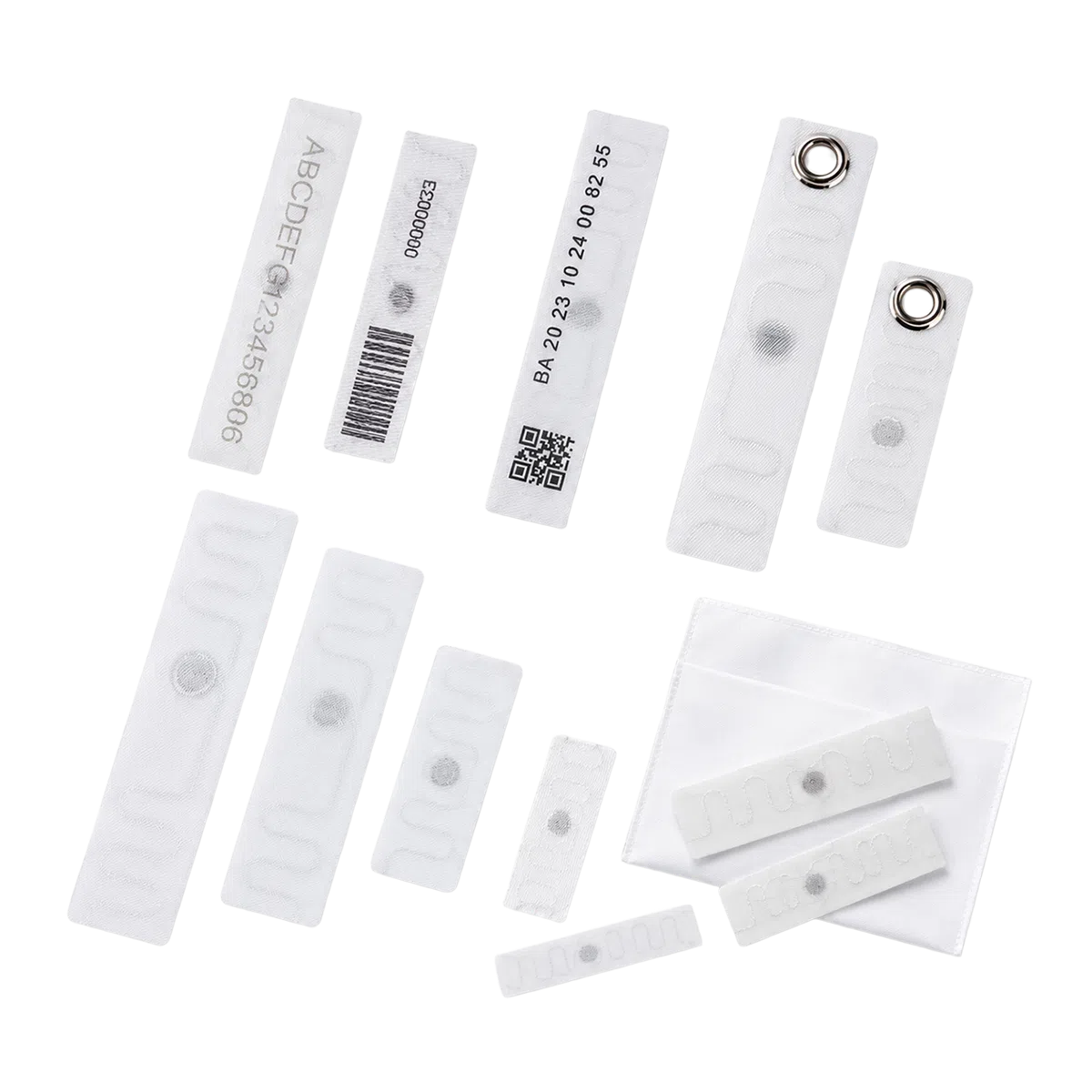
UHF Textile Laundry Tags for Linen & Uniform Tracking
Durable washable RFID laundry tags from CedaGlo for hotel linen, hospital textiles, workwear, commercial laundry and garment management.
View Details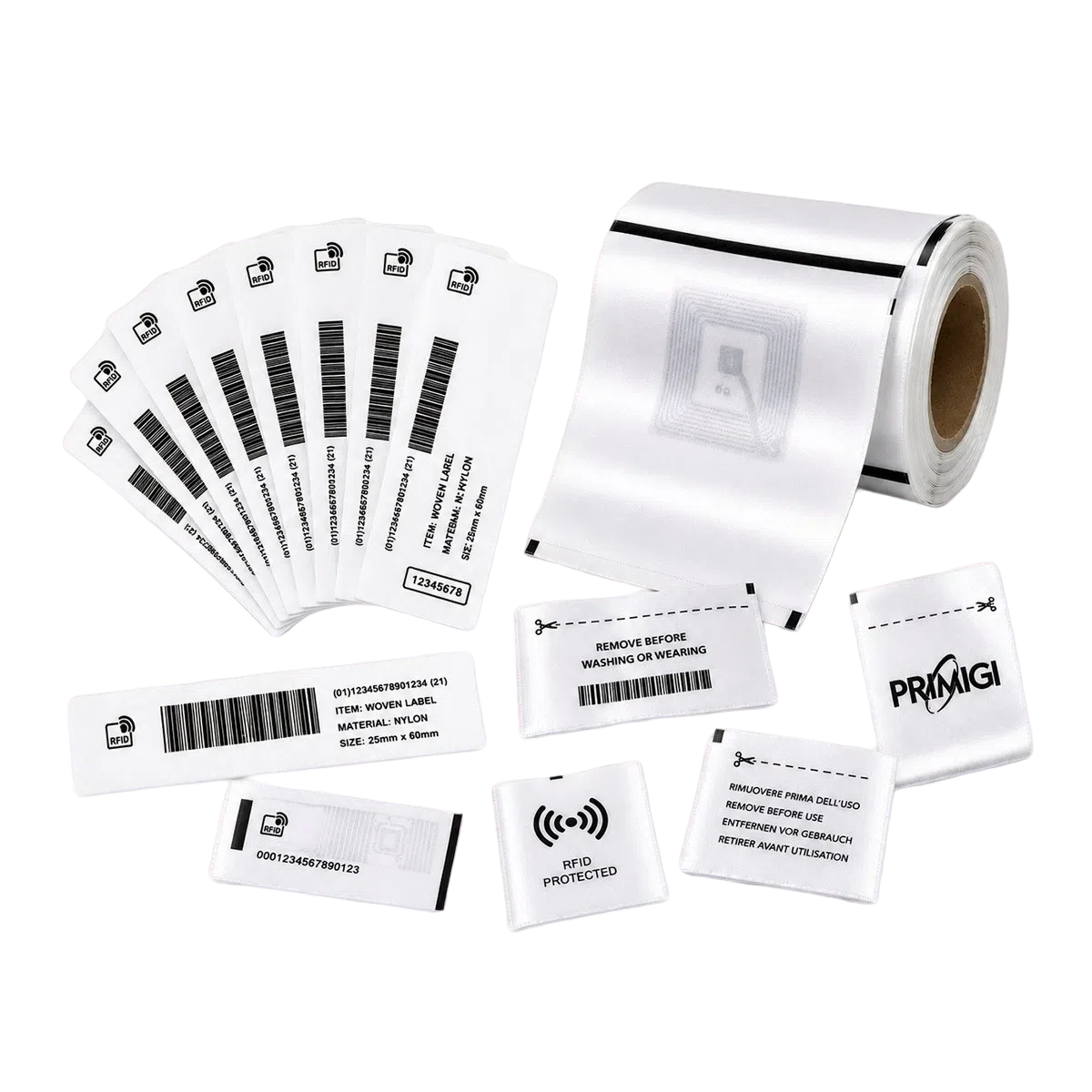
RFID Woven Nylon Labels & Satin Ribbon Labels
Durable washable RFID laundry tags from CedaGlo for hotel linen, hospital textiles, workwear, commercial laundry and garment management.
View Details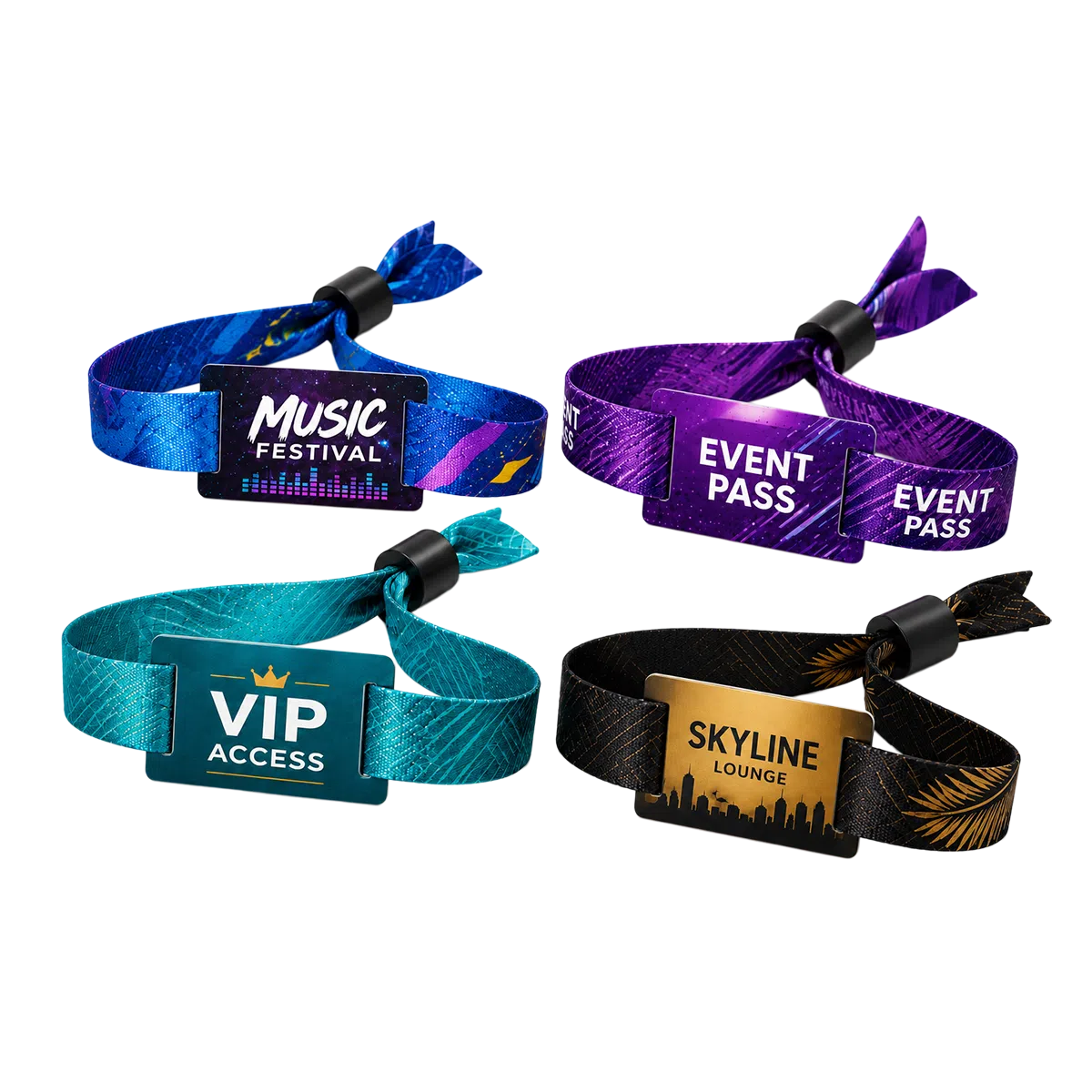
Custom RFID Fabric Wristband for Events
Custom RFID fabric wristbands for event access, cashless payment and attendee ID. Choose chip, material, lock and printing.
View Details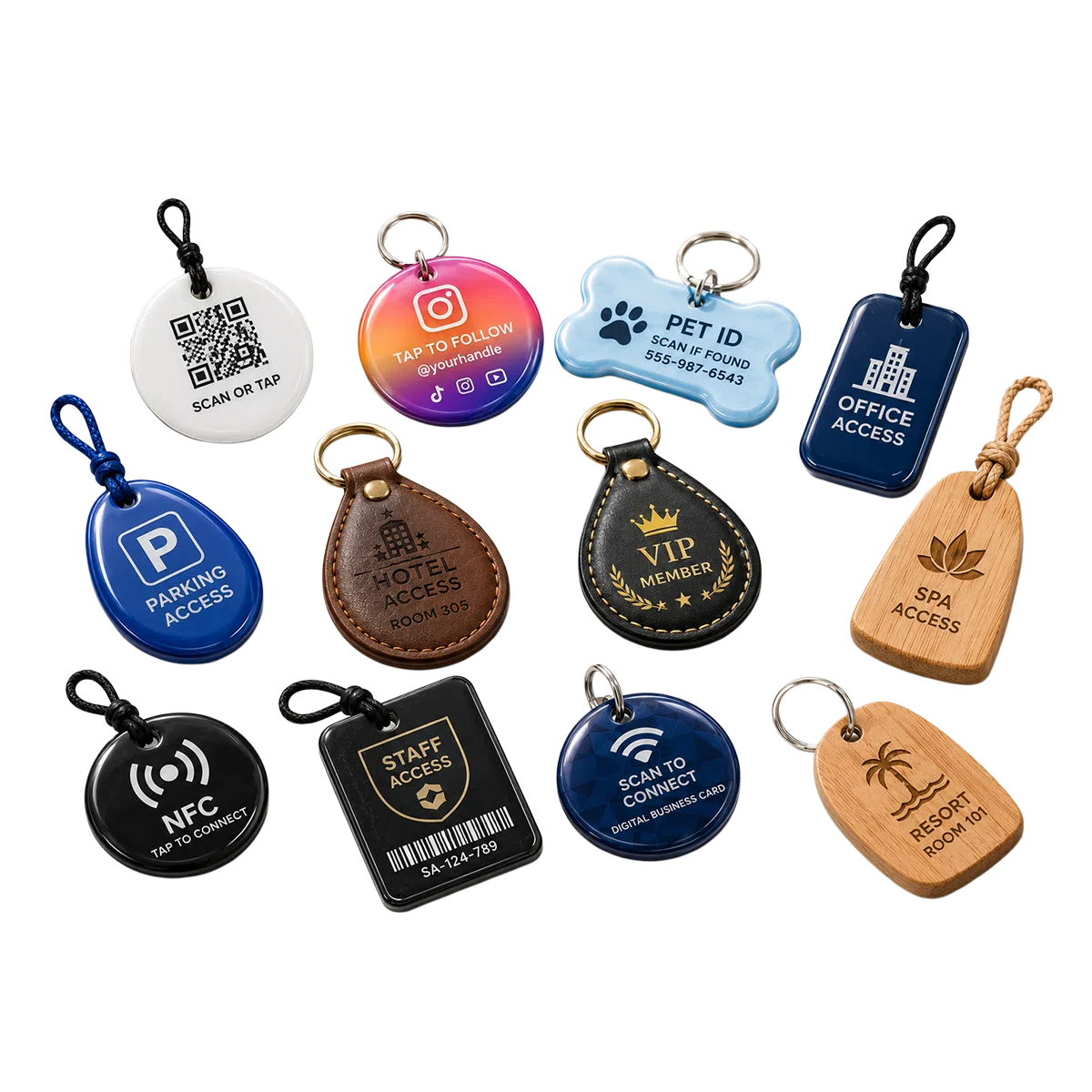
Custom RFID Keyfob │ ABS, Epoxy, Leather & Wood
Order custom RFID keyfobs in ABS, epoxy, leather or wood with LF, HF and NFC chips, logo printing, UID encoding and volume pricing support.
View DetailsQualify a Reliable Second Source for Your Inlay Supply
Send us your sheet layout, chip platform and thickness requirements — our engineering team will confirm the full orderable specification, provide samples for lamination validation and quote your exact project price.