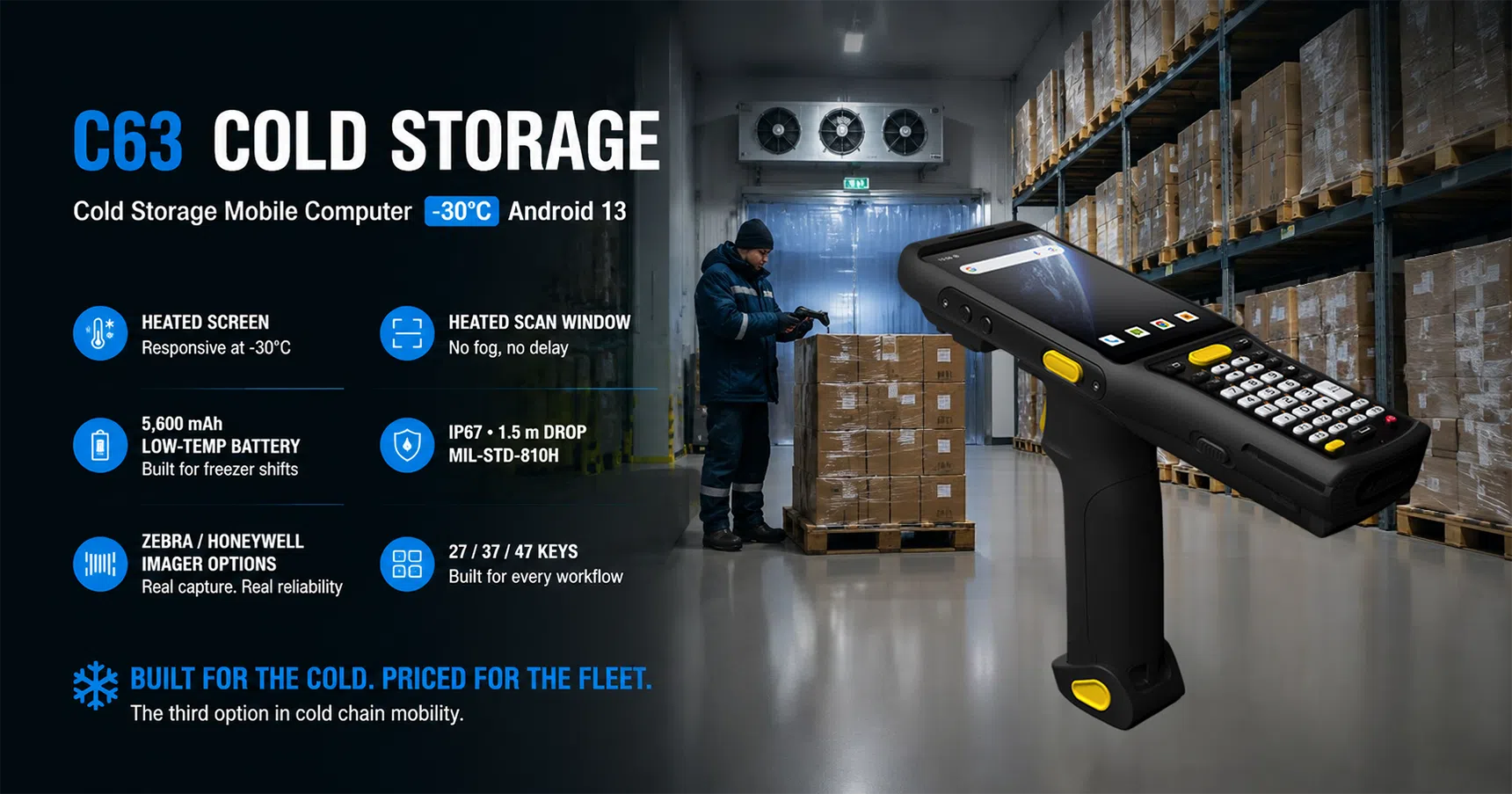
CedaGlo C63 Cold Storage Mobile Computer
Heated screen, heated scan window and a low-temperature battery — freezer-grade capture at a materially lower cost per unit than a Zebra or Honeywell freezer handheld.
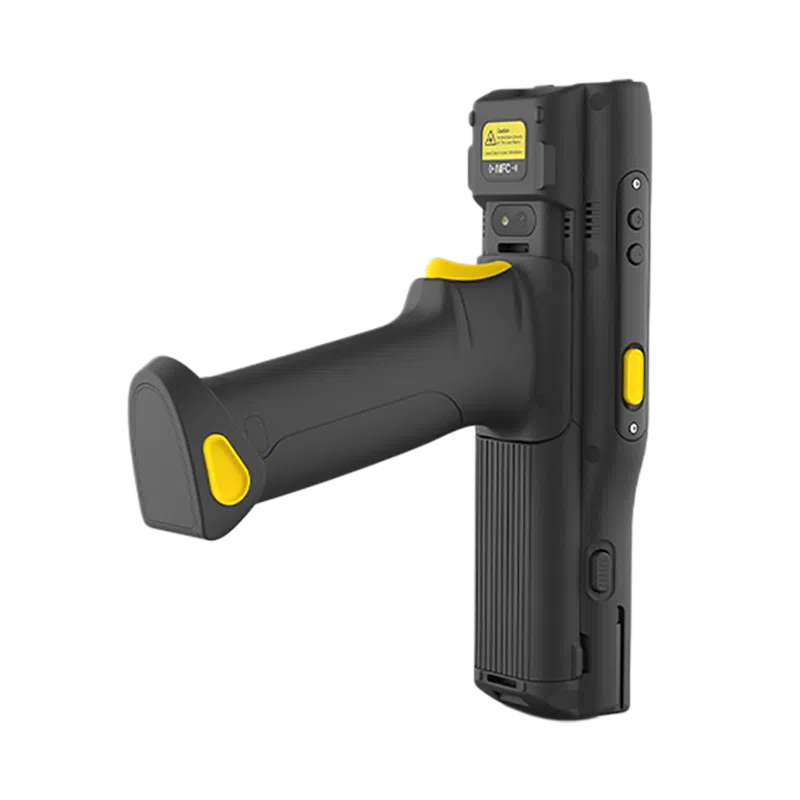
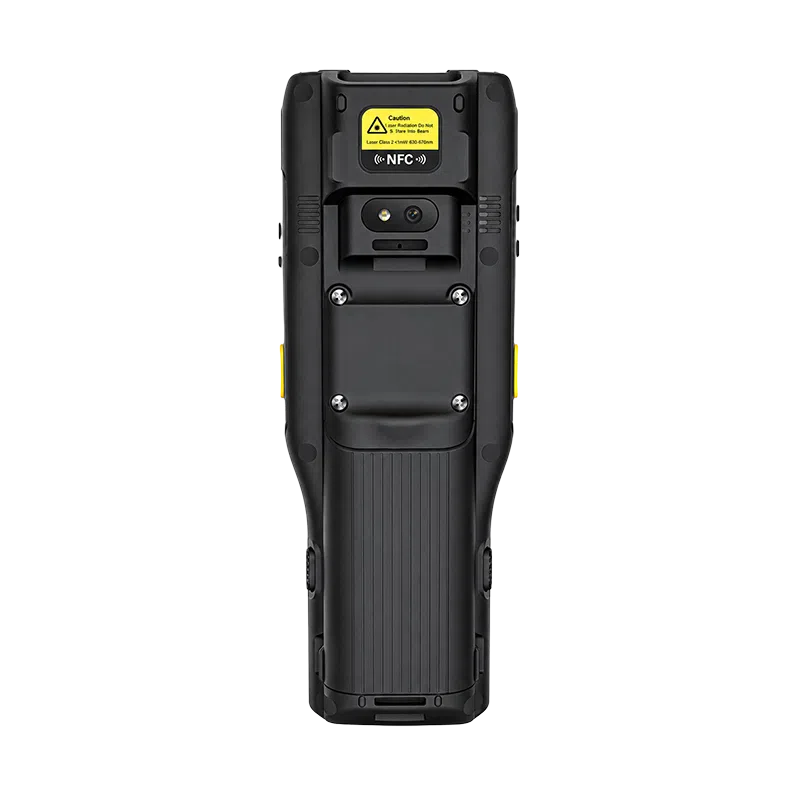
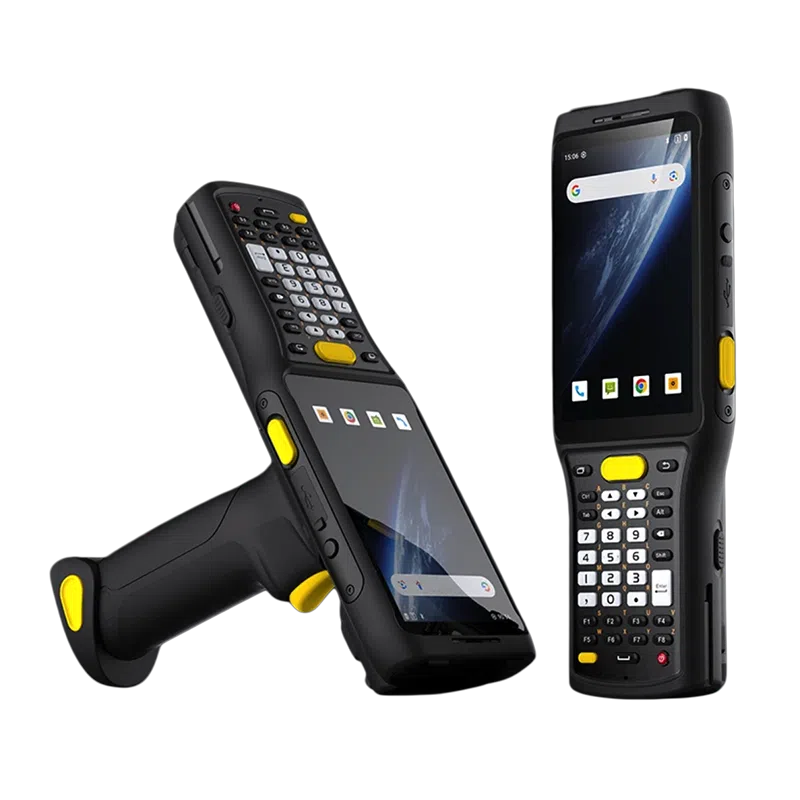
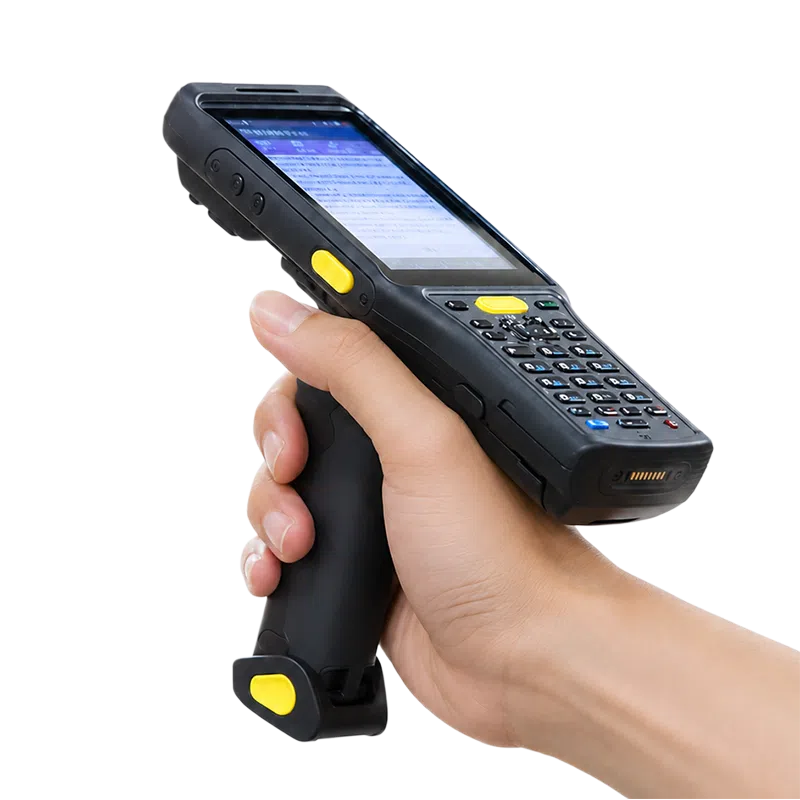
Cold chain has had two options: jump to a Zebra MC9400 or a Honeywell CK65 Cold Storage, or send a room-temperature device into the freezer and watch it slow down. The C63 Cold Storage is the third. A heated display keeps the touch panel responsive at −30 °C, and a heated scan window clears the condensation that forms the moment a cart rolls from the freezer into the dispatch bay. Behind them sit a 5,600 mAh low-temperature battery, a genuine Zebra SE-series or Honeywell N-series imager, 27/37/47-key layouts, IP67 sealing and 1.5 m drops across the full operating temperature range. If you are cross-shopping the Honeywell CK65 Cold Storage or a Zebra freezer handheld, put the C63 on the same shortlist — then compare the quotes.
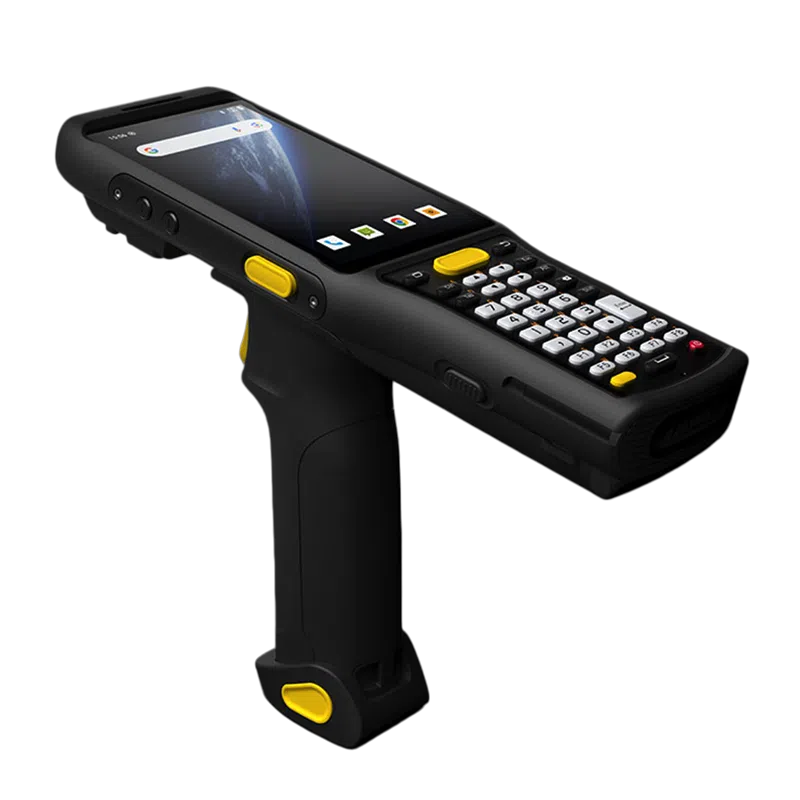
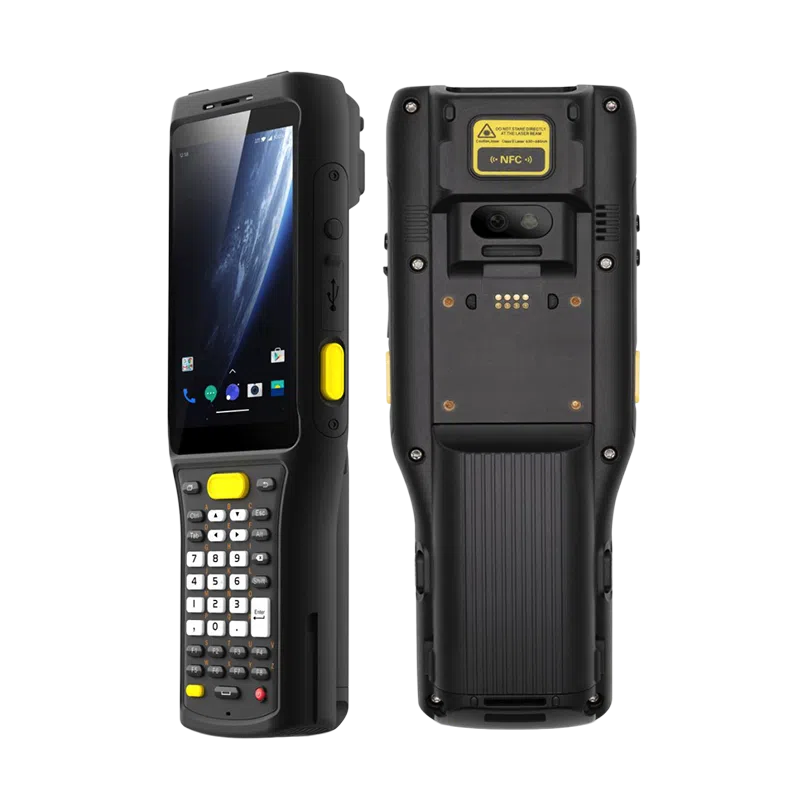
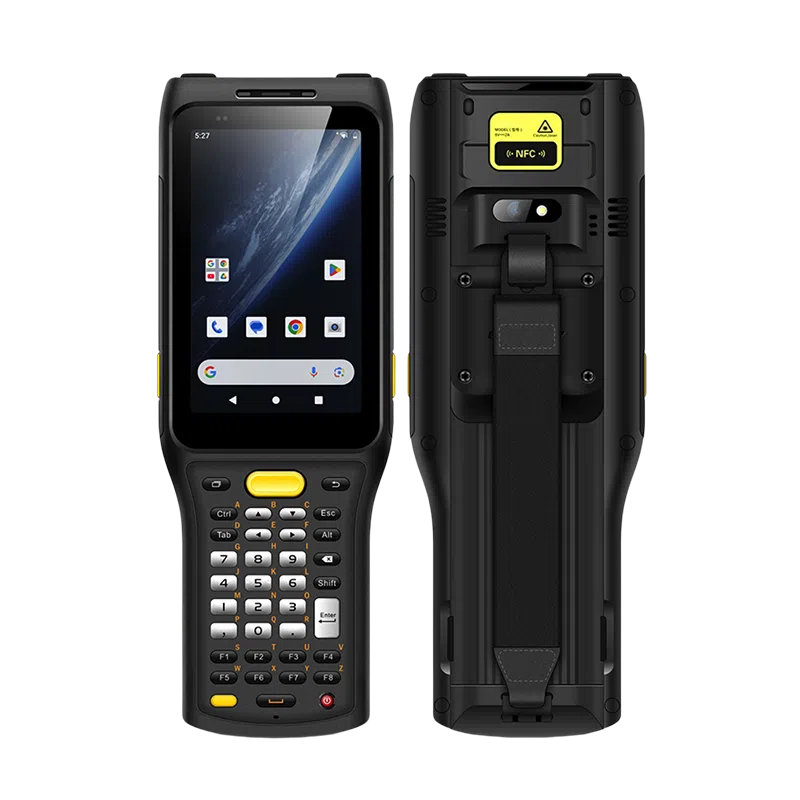
- Active HeatingDisplay & scan window
- Stable at −30 °C−22 °F to 122 °F
- Google Mobile ServiceSupported
- Android EnterpriseRecommended
- 90-Day SecurityUpdates
- Android 13Octa-core 2.0 GHz
- IP67 · 1.5 m DropMIL-STD-810H (SGS)
- Wi-Fi 6-ready802.11ax-ready, roaming
- Hot-Swap 5,600 mAhQuick-release, pop-out
- 4 GB + 64 GB UFS6 GB + 128 GB optional
- Keypad Options27 / 37 / 47 keys
- NFC 13.56 MHzISO 14443A/B · 15693
- Vo-LTE · 4GB1–B41 bands
- GNSSGPS · GLONASS · BeiDou
- Gloves & Wet HandsMulti-touch panel
- CedaGlo SDKJava · Android Studio
Overview
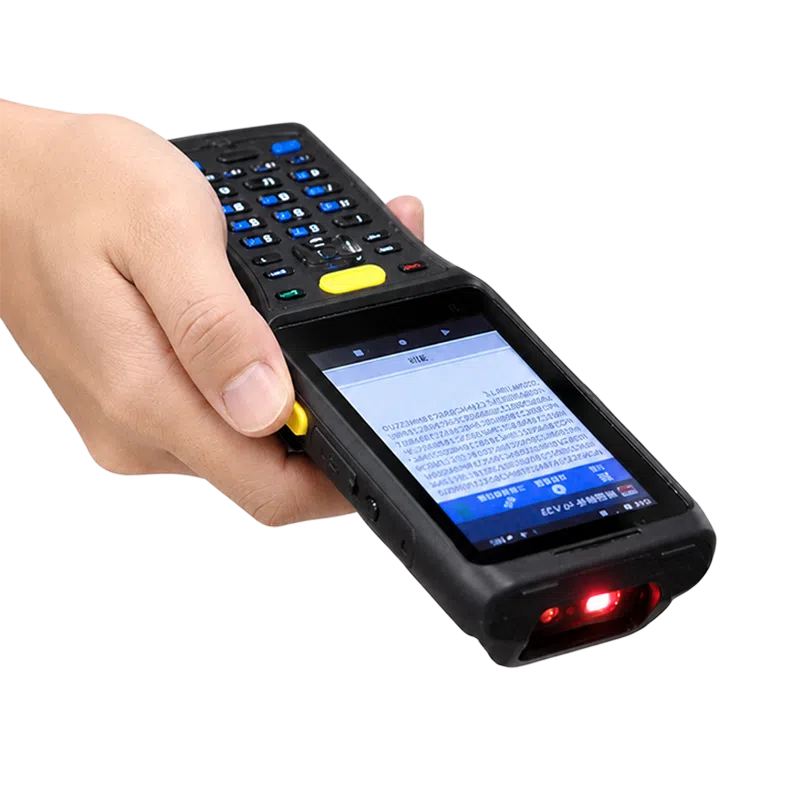
Cold chain has been a choice between two bad options. Send a room-temperature handheld into a −25 °C aisle and the display turns sluggish, the scan window fogs the moment the trolley reaches the dispatch bay, and the battery surrenders a large part of its capacity before the shift is half done. Avoid that, and the only alternatives are the freezer editions Zebra and Honeywell build — devices that arrive at a price which stalls the project before it starts. The C63 Cold Storage sits between them. A heated display holds touch response steady down to −30 °C. A heated scan window keeps the glass above the dew point, so a trolley moves from freezer to dock without a five-minute wait for the fog to clear. The 5,600 mAh main battery runs a cold-rated chemistry rather than a larger cell — which is why the figure is smaller than the standard C63 and the runtime in a freezer is not. Around them sits a genuine Zebra SE4710 or SE55, or a Honeywell N6603 or N6703 imager; 27, 37 or 47-key layouts; Android 13 on an octa-core 2.0 GHz platform with up to 6 GB of RAM and 128 GB of UFS storage; IP67 sealing; and 1.5 m drops to concrete across the full operating temperature range, verified to MIL-STD-810H. Browse the wider RFID device range, or go straight to the specifications below.
Key Features
Heat Where the Cold Bites
- Heated display, responsive at −30 °C
- Heated scan window kills the fogging
- 5,600 mAh low-temperature battery
- Gloves and wet hands supported
- Six sensors, including gyroscope
Zebra and Honeywell Optics
- Zebra SE4710 or SE55 imagers
- Honeywell N6603 or N6703, or CM60
- 27, 37 or 47 keys, chosen at order
- NFC 13.56 MHz and 13 MP camera
- Micro SD (TF) expansion to 256 GB
Sealed, Dropped, Swapped
- IP67 sealing per IEC specifications
- 1.5 m drops, MIL-STD-810H (SGS)
- Hot-swap, quick-release battery
- Wi-Fi 6-ready with fast roaming
- Up to 6 GB RAM, 128 GB UFS storage
Features & Functions at a Glance
Choose Your Configuration
| Feature | Standard Handheld | Hand Strap | Pistol Grip | Extended Memory |
|---|---|---|---|---|
| Best for | Receiving and dispatch at the chilled bay | All-shift picking inside the freezer | High-trigger sweeps down frozen aisles | Large offline datasets held on the device |
| Active heating | Display & scan window | Display & scan window | Display & scan window | Display & scan window |
| Operating temperature | −30 °C to 50 °C | −30 °C to 50 °C | −30 °C to 50 °C | −30 °C to 50 °C |
| Keypad options | 27 / 37 / 47 keys | 27 / 37 / 47 keys | 27 / 37 / 47 keys | 27 / 37 / 47 keys |
| Memory | 4 GB + 64 GB UFS | 4 GB + 64 GB UFS | 4 GB + 64 GB UFS | 6 GB + 128 GB UFS |
| Scan engine | Zebra or Honeywell imager* | Zebra or Honeywell imager* | Zebra or Honeywell imager* | Zebra or Honeywell imager* |
| Scan trigger | 2 side scan keys | 2 side scan keys | Trigger + 2 side scan keys | Per the build you choose |
| NFC (13.56 MHz) | ✓ | ✓ | ✓ | ✓ |
| Wi-Fi 6-ready | ✓ | ✓ | ✓ | ✓ |
| Fits every keypad version | — | ✓ | ✓ | ✓ |
| Battery | 5,600 mAh main | 5,600 mAh main | 5,600 mAh + 5,000 mAh in grip | Per the build you choose |
| Weight | 385 g / 13.58 oz | 385 g / 13.58 oz + strap | 571 g / 20.14 oz | Per the build you choose |
* Cold storage scan engines: Zebra SE4710 or SE55; Honeywell N6603 or N6703; or CM60. The long-range engines offered on the standard C63 are not available in the cold storage build — if you need to read labels at the top of a frozen rack from the aisle floor, say so before you order and we will tell you honestly whether this is the right device. Active heating for the display and scan window is fitted to every cold storage unit, not an option. The hand strap, the pistol grip and every memory and scan engine choice fit all three keypad versions.
Engineered for the Freezer
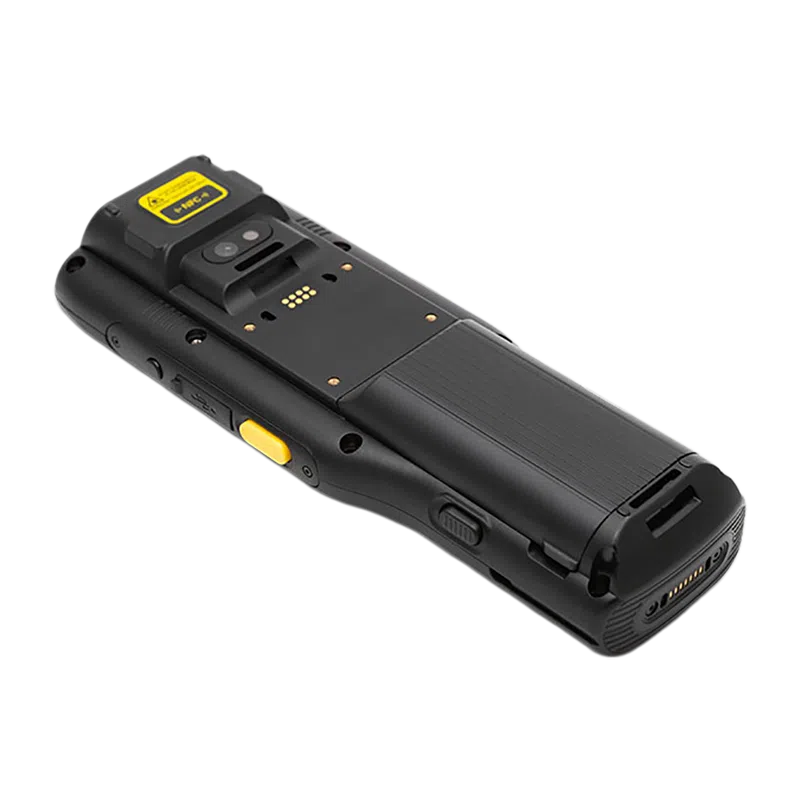
Heated scan windowGlass held above the dew point, so the fog never forms on exit.
Low-temperature batteryCold-rated chemistry, quick-release pop-out, hot-swapped in the aisle.
Keypad and strapReal keys for thick gloves; the strap keeps it there all shift.
Specifications
Physical Characteristics
- Dimensions
- 203.50 × 72.8 × 160 mm / 8.01 × 2.87 × 6.30 in. (with pistol)
203.50 × 72.8 × 34.8 mm / 8.01 × 2.87 × 1.37 in. (without pistol) - Weight
- 385 g / 13.58 oz. (device with battery)
571 g / 20.14 oz. (device with pistol and battery) - Display
- 4-inch high definition display, 800 × 480
- Battery
- 5,600 mAh removable main battery, 5,000 mAh optional pistol battery, support QC3.0 and RTC; pistol battery with meter
- Touch Panel
- Multi-touch panel, gloves and wet hands supported
- Notification
- Sound, LED indicator, vibrator
- Interfaces
- USB Type-C, USB 3.1, OTG, extended thimble
- Card slot
- 1 slot for Micro SIM card, 1 slot for TF card
- Audio
- 1 microphone for noise cancellation; 1 speaker; 1 receiver
- Keypad
- Main keyboard (optional): 27 keys / 37 keys / 47 keys
Side keys: 2 scan keys + 2 volume keys + 1 user-defined key - Sensors
- Accelerometer sensor, light sensor, proximity sensor, gravity sensor, gyroscope sensor, geomagnetic sensor
Active Heating
- Heated Display
- Fitted as standard on every cold storage unit
- Heated Scan Window
- Fitted as standard on every cold storage unit
Communication
- WLAN
- Support 802.11 a/b/g/n/ac/ax-ready, support fast roaming
- WWAN
- 2G: GSM850 / GSM900 / DCS1800 / PCS1900
3G: CDMA EVDO: BC0; WCDMA: 850/900/1700/1900/2100 MHz; TD-SCDMA: A/F (B34/B39)
4G: B1, B2, B3, B4, B5, B7, B8, B12, B13, B17, B20, B28, B38, B39, B40, B41 - Bluetooth
- Bluetooth 5.0
- Vo-LTE
- Support Vo-LTE HD video voice call
- GNSS
- GPS/AGPS, GLONASS, BeiDou, Galileo, internal antenna
* C63 models manufactured for the Turkish market do not include WWAN and SIM slot options.
Developing Environment
- Operating System
- Android 13
- SDK
- CedaGlo Software Development Kit
- Language
- Java
- Tool
- Eclipse / Android Studio
Performance
- CPU
- Octa-core, 2.0 GHz
- RAM+ROM
- UFS, 4 GB + 64 GB / 6 GB + 128 GB (optional)
- Expansion
- Supports up to 256 GB Micro SD (TF) card
User Environment
- Operating Temp.
- −22 °F to 122 °F / −30 °C to 50 °C
- Storage Temp.
- −40 °F to 158 °F / −40 °C to 70 °C
- Humidity
- 5% RH to 95% RH (non-condensing)
- Drop Specification
- Multiple 1.5 m / 4.92 ft. drops to concrete across the operating temperature range
MIL-STD-810H (SGS test): multiple 1.5 m / 4.92 ft. drops to concrete across the operating temperature range - Tumble Specification
- 1,000 × 0.5 m / 1.64 ft. falls at room temperature
- Sealing
- IP67 per IEC sealing specifications
- ESD
- ±15 kV air discharge, ±8 kV conductive discharge
Barcode Scanning
- 2D Scanner
- Zebra: SE4710 / SE55
Honeywell: N6603 / N6703; CM60 - 1D Symbologies
- UPC/EAN, Code128, Code39, Code93, Code11, Interleaved 2 of 5, Discrete 2 of 5, Chinese 2 of 5, Codabar, MSI, RSS, etc.
- 2D Symbologies
- PDF417, MicroPDF417, Composite, RSS, TLC-39, Datamatrix, QR code, Micro QR code, Aztec, MaxiCode; postal codes: US PostNet, US Planet, UK Postal, Australian Postal, Japan Postal, Dutch Postal (KIX), etc.
Camera
- Camera
- Rear camera: rear 13 MP autofocus with flash
NFC
- Frequency
- 13.56 MHz
- Protocol
- ISO14443A/B, ISO15693, NFC-IP1, NFC-IP2, etc.
- Chips
- M1 card (S50, S70), CPU card, NFC tags, etc.
- Range
- 2–4 cm
Accessories
- Standard
- Power adapter, USB cable, wrist strap, lanyard
- Optional
- Separate handle with one button; charging cradle
Handle + battery (handle battery 5,000 mAh, one button)
Every C63 Cold Storage is quoted to the configuration: keypad count, scan engine, memory, grip or strap, and accessories are all specified at order time. Send the read distances, the label types, the temperature range you actually work in and the fleet size, and a project quote comes back the same working day.
Where the C63 Cold Storage Works
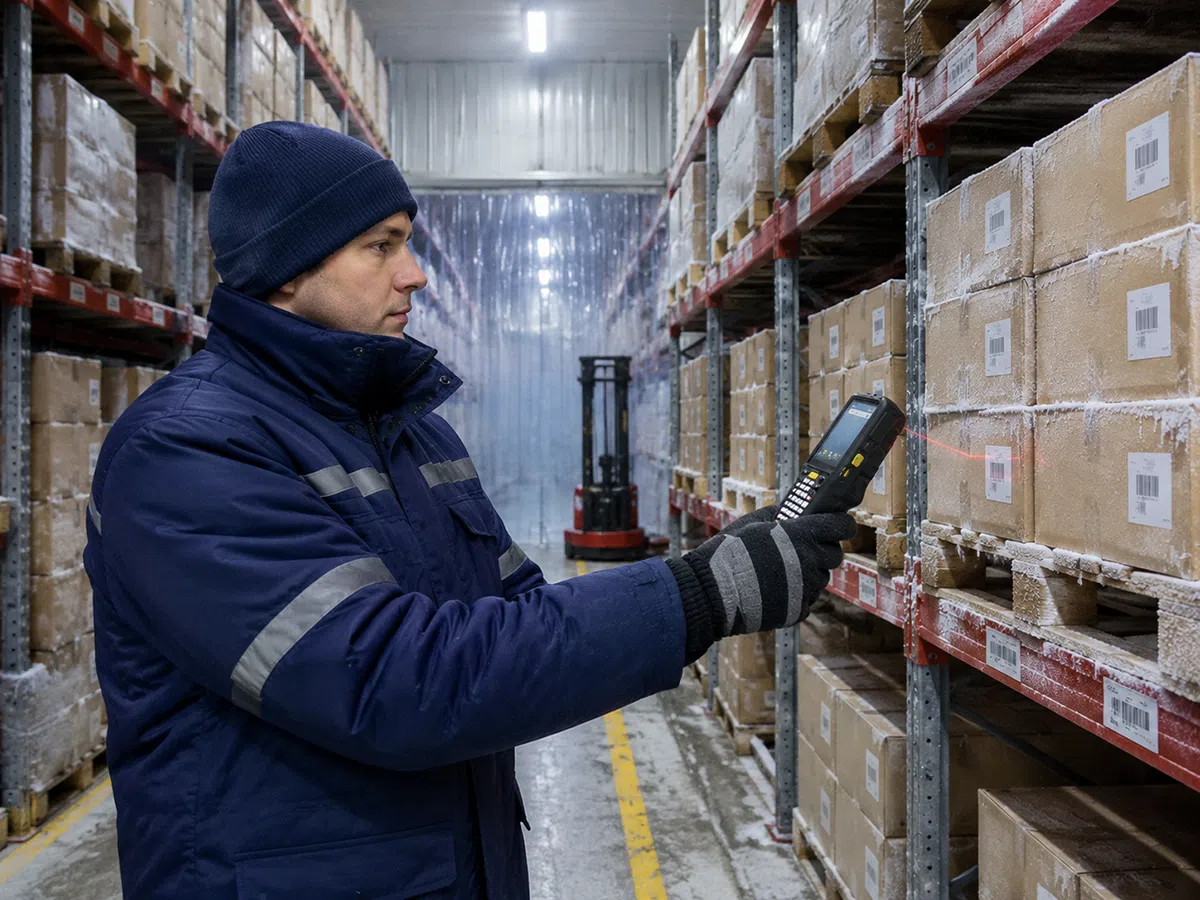
Frozen Food Warehousing
- Pick frozen pallets without leaving the aisle
- Read frost-covered labels on the first pass
- Keep the touch panel awake at −30 °C
The C63 edge: Answers the first tap, not the fifth.
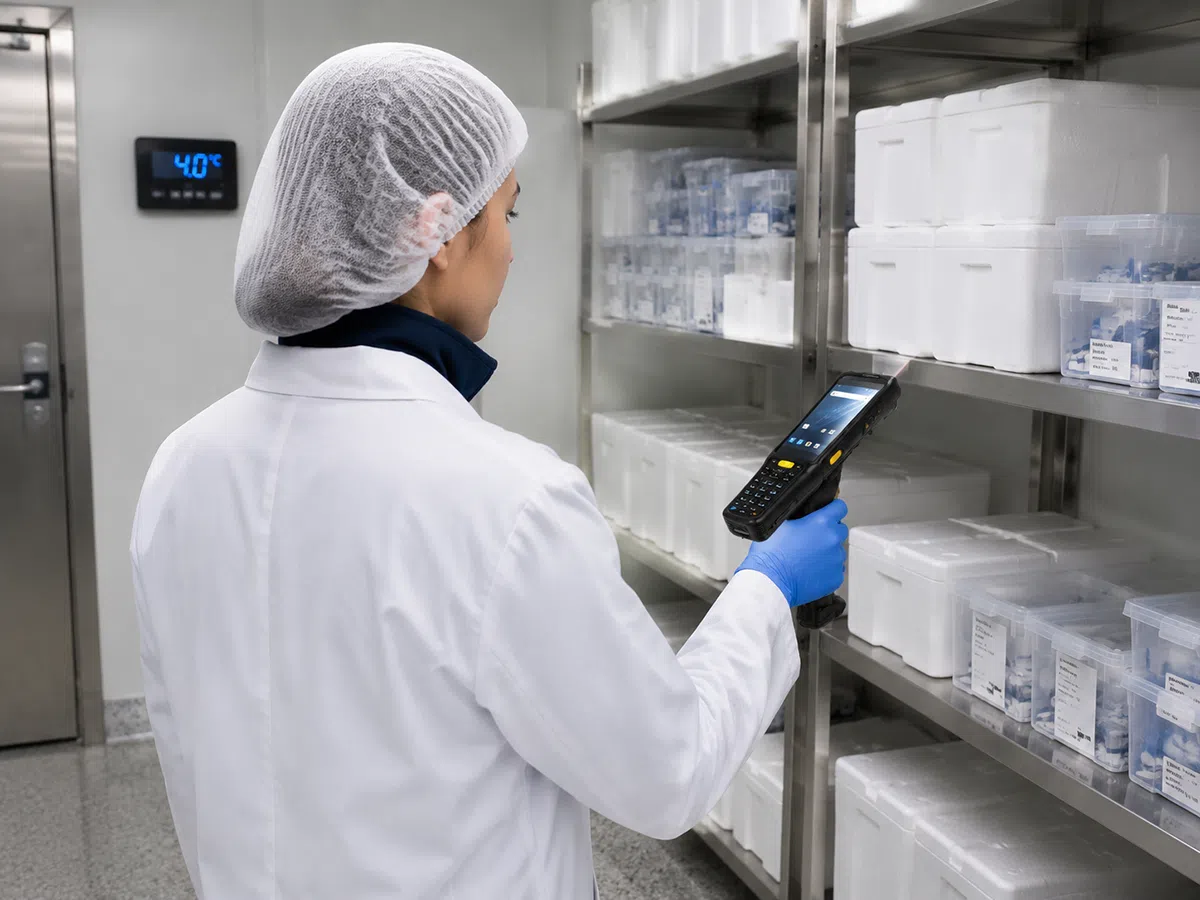
Pharmaceutical Cold Chain
- Key lot numbers with the gloves still on
- Log every movement against the batch record
- Hold the audit trail on the device offline
The C63 edge: Cold room to counter with no data gap.
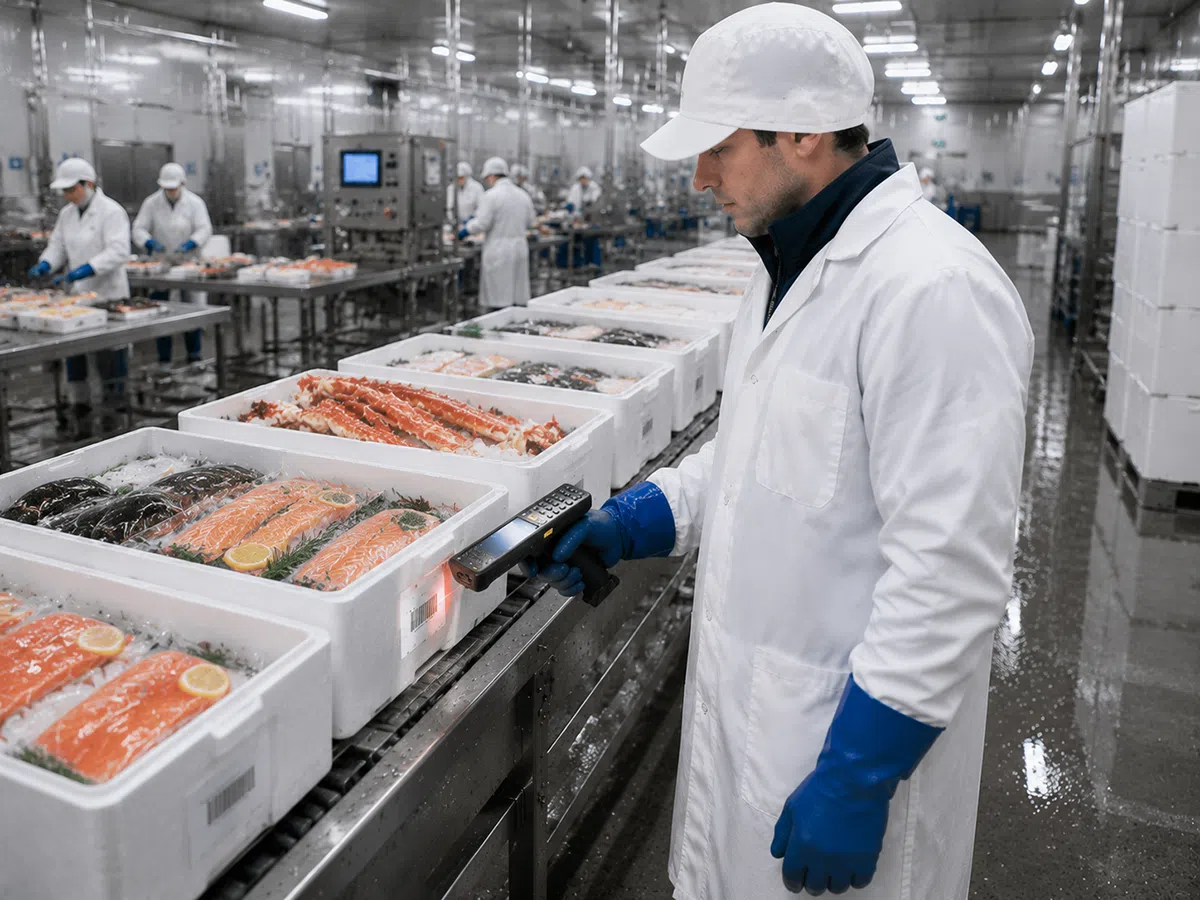
Seafood Processing
- Scan crates moving past at line speed
- Work wet hands through the whole shift
- Survive the wash-down and the chill room
The C63 edge: Wet hands and sub-zero air change nothing.
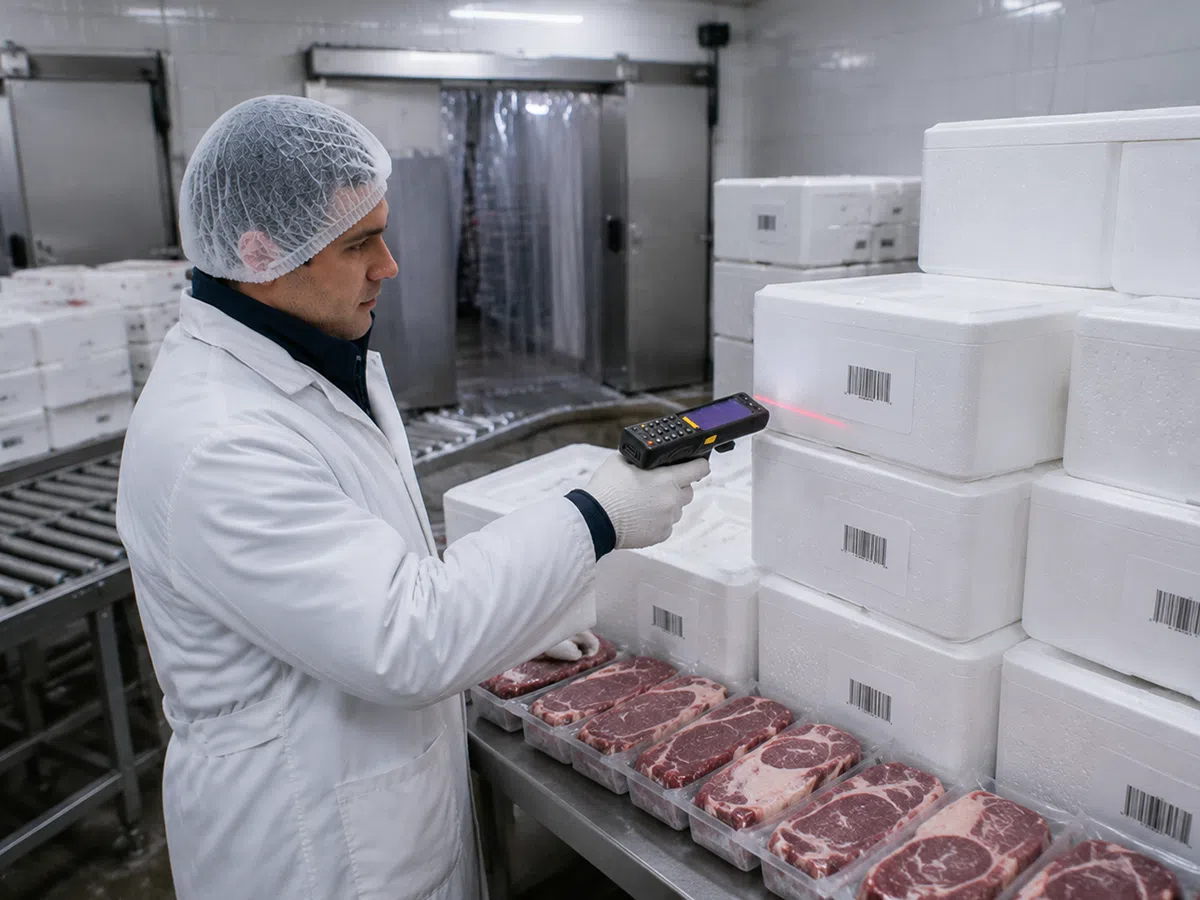
Meat Dispatch
- Scan boxes as they leave the cold room
- Trace each carton back to its batch
- Move between chill and dock all day
The C63 edge: No pause at the door waiting for the fog.
Why Buy the C63 Cold Storage From CedaGlo
Cut fleet cost, not capability
The same active heating and Zebra or Honeywell optics, at a materially lower cost per unit. One budget equips three teams.
Deployment in minutes
Google Mobile Services and Android Enterprise, so your WMS front end and your MDM policies transfer without a rewrite.
Prove it in your own freezer
Take an evaluation unit into your own freezer first. Every batch passes QC, and a one-year warranty follows the fleet out.
Quotes built for budget season
Same-day project quotes with transparent volume tiers and stable lead times. Plan the whole cold-chain rollout line by line.
Frequently Asked Questions
How does it actually scan at −30 °C — not just on the datasheet?
Two things fail first in a freezer, and both are handled here. The liquid crystal in a cold display thickens, so touch response drags and the screen ghosts; a heating element behind the panel holds it in its working range down to -30 °C. The scan window is worse: the moment a trolley leaves the freezer for a warmer dispatch bay, the glass drops below the dew point and fogs, and nothing reads until it clears. A heated scan window keeps the glass above that point, so the next scan happens at the door instead of ten minutes later. The imager itself is a Zebra SE4710 or SE55, or a Honeywell N6603 or N6703, reading the same symbologies at the same distances as it would at room temperature.
Why is the cold storage battery smaller than the standard C63 at 5,600 mAh?
Because it is a different chemistry, not a smaller version of the same one. A standard lithium cell loses a large share of its usable capacity below -20 °C: the electrolyte thickens, internal resistance climbs, and the device can shut down with charge still showing. The cold storage pack uses a low-temperature electrolyte that keeps discharging at -30 °C, and that formulation carries less energy per gram. So the number on the label is smaller and the runtime in an actual freezer is longer. Add the optional 5,000 mAh grip battery if a single shift needs more, and hot-swap the main pack without leaving the aisle.
How does it compare with a Honeywell CK65 Cold Storage or a Zebra freezer handheld?
Take the comparison seriously in both directions. The CK65 Cold Storage and the Zebra freezer handhelds are built to a higher physical standard: 3 m drops against our 1.5 m, larger batteries with longer published runtimes, and long-range imaging that reaches labels at the top of a frozen rack. If your workflow needs any of that, buy them. What you get here is the same active-heating approach to the same two failure points, the same Zebra and Honeywell scan engines from the same two vendors, Android 13 from the start, and up to 6 GB of RAM with 128 GB of storage where the CK65 Cold Storage ships 4 GB and 32 GB. You give up a logo and a drop rating, not the ability to work in a freezer.
How long does a cold storage unit last before it needs replacing?
Budget it like infrastructure. The housing is sealed to IP67 and rated for 1.5 m drops to concrete across the full operating temperature range, verified under MIL-STD-810H by SGS, plus a thousand half-metre tumbles. What wears in cold chain is almost always the battery, and that is the part designed to be replaced: the main pack pops out with a quick-release button, the grip battery comes off with the grip, and the strap is a consumable. Keep two packs per device on rotation and the chassis outlasts several sets of cells.
What separates this from an unbranded freezer handheld off an online listing?
Substance you can audit. Active heating is either designed into the display and the scan window or it is not, and a listing that says cold resistant without naming what is heated is telling you it is not. The scan engine here is a named Zebra or Honeywell part with traceable provenance. The temperature range, the sealing and the drop figures come from a published specification and an SGS test report, not a product description. Every batch is inspected before dispatch, evaluation units go out for qualification, and a one-year warranty with engineer-direct support stands behind the fleet.
We run chilled and ambient areas. Do we need two different devices?
Only if you want to. The cold storage build works from -30 °C right up to 50 °C, so one fleet can cover the freezer, the chilled bay and the ambient warehouse without a second SKU. Where a site is mostly ambient and only occasionally cold, the standard C63 Keypad Mobile Computer is the better value: same chassis, same keypads, same accessories, a larger 6,700 mAh battery and long-range engine options, rated to -20 °C. Both run Android 13 with Google Mobile Services, so one set of applications and one MDM policy covers a mixed fleet.
Related Products
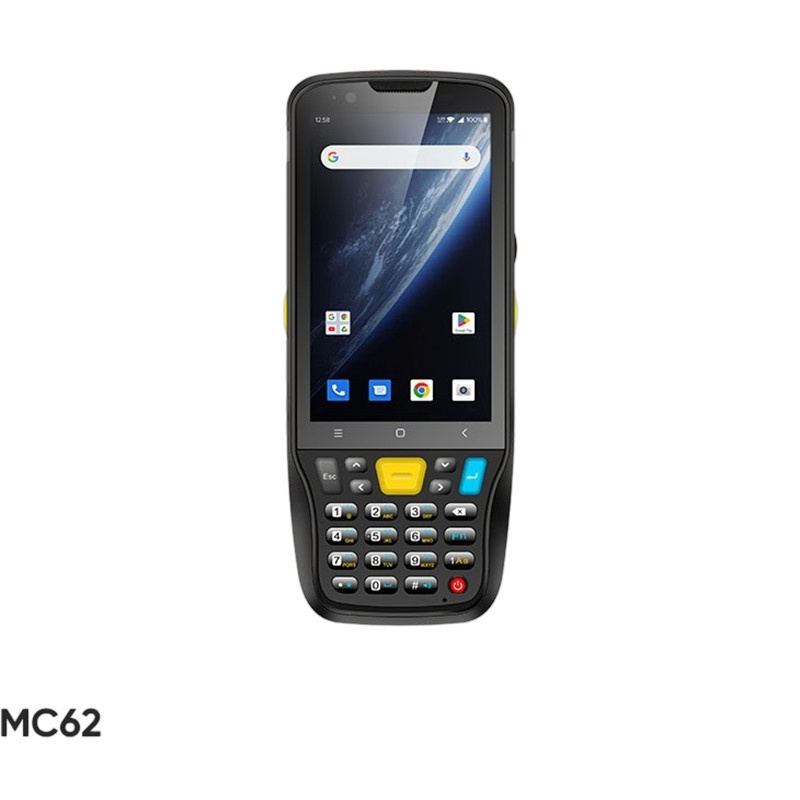
MC62 Keypad Mobile Computer | Android 13
The MC62 is a 256g Android 13 keypad handheld with a 4-inch 480 x 800 touch panel, a 5000mAh removable battery, an optional Zebra SE4710 or CM60 2D scan engine.
View Details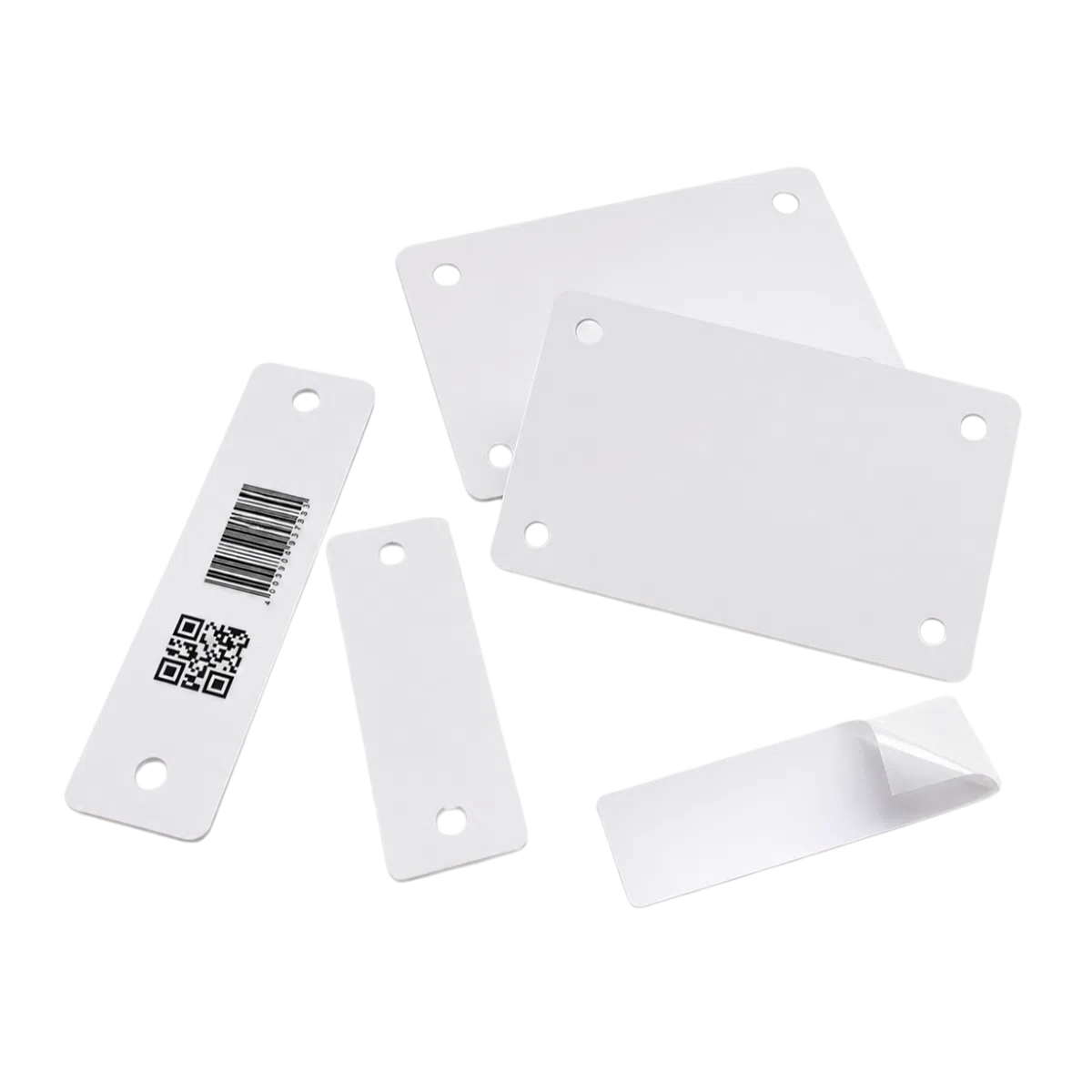
Custom UHF RFID Asset Cards for Asset Tracking
CedaGlo custom UHF RFID asset cards for pallets, bins, tools & warehouse assets — EPC Gen2, barcode, QR code, serial printing & multiple mounting options.
View Details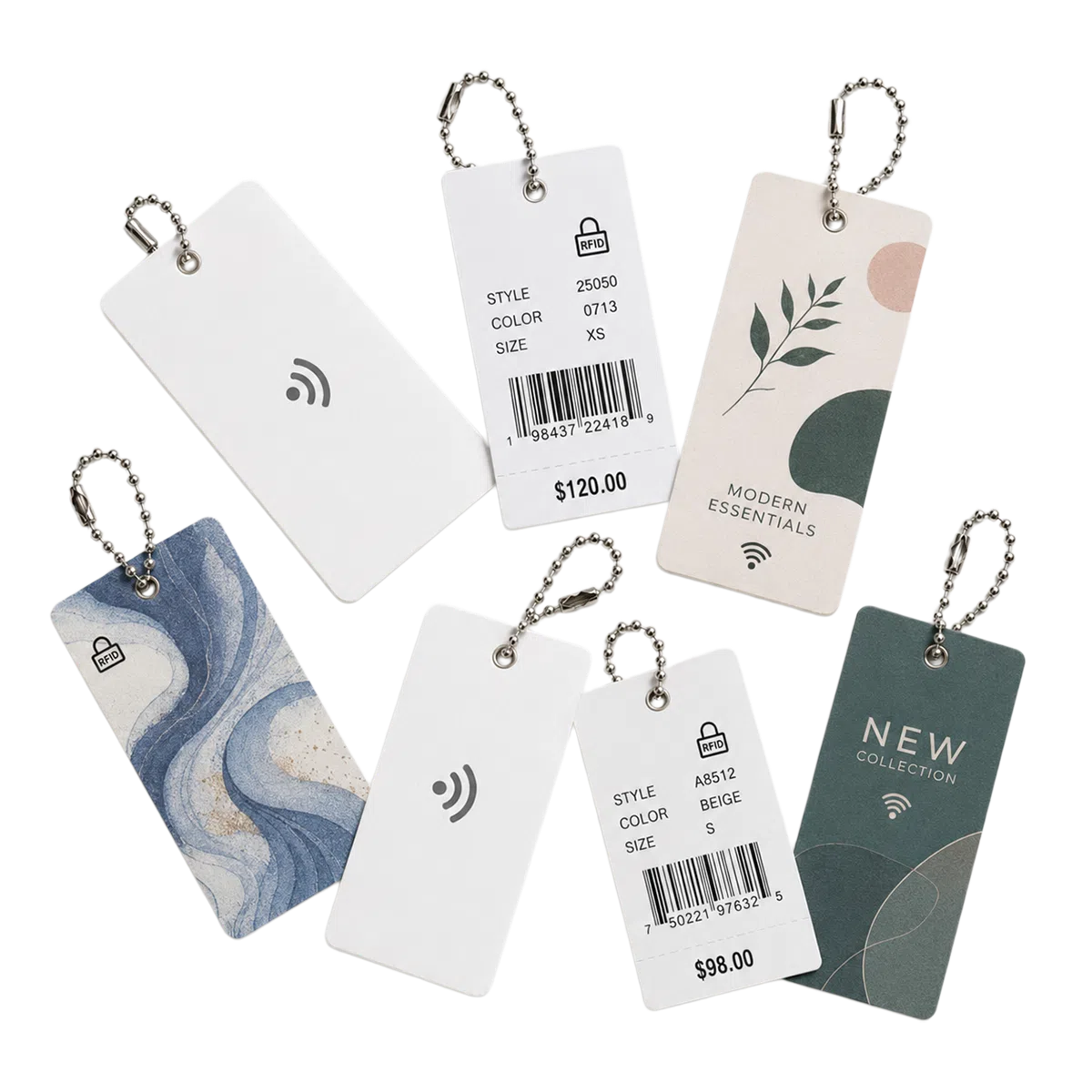
RFID Apparel Hang Tags for Retail Inventory & NFC Engagement
Custom RFID apparel hang tags from CedaGlo with UHF, NFC, barcode, QR code, artwork printing, EPC encoding and packaging options.
View Details
Printed RFID Labels | Custom Finished RFID
Custom finished RFID labels from CedaGlo with printable face stock, adhesive backing, barcode, QR code, serial number and UHF/NFC chip.
View DetailsPut the C63 Cold Storage on Your Shortlist
The same Zebra and Honeywell scan engines, heated for the freezer, at a materially lower cost per unit. Octa-core Android 13, 27/37/47-key layouts, IP67 sealing and a hot-swap low-temperature battery, shipped factory-direct. Prove it in your own cold room.