
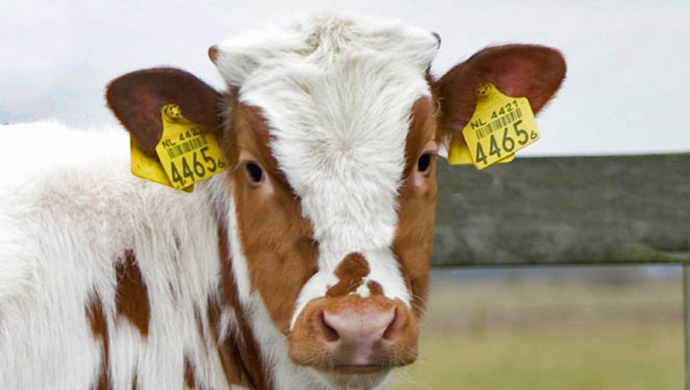
RFID technology is revolutionizing the livestock industry, offering innovative solutions for animal identification, tracking, and management. From improving traceability to enhancing biosecurity measures, RFID products are transforming the way livestock operations are conducted. Here's an in-depth look at how RFID technology is reshaping the livestock management sector:
Animal Identification
Accurate and efficient animal identification is essential for livestock operations. RFID tags provide a unique identification method that enables farmers to track individual animals throughout their lifecycle. By tagging each animal with an RFID tag, farmers can create a digital profile containing essential information such as breed, age, medical history, and ownership details. This facilitates precise record-keeping and ensures compliance with regulatory requirements.
Health Monitoring
Monitoring the health and well-being of livestock is crucial for maintaining productivity and preventing disease outbreaks. RFID technology enables continuous health monitoring by capturing and storing vital data such as temperature, activity levels, and feeding patterns. RFID-enabled sensors attached to animals can alert farmers to any deviations from normal behavior, allowing for early intervention and preventive measures to be taken.
Inventory Management
Efficient inventory management is key to optimizing livestock operations. RFID tags provide a reliable way to track the movement and location of animals within a facility. By installing RFID readers at strategic points such as gates and feeding stations, farmers can automatically log the entry and exit of animals, monitor herd movements, and ensure accurate inventory counts. This streamlines operations, reduces manual labor, and minimizes the risk of errors.
Biosecurity Measures
Preventing the spread of diseases is a top priority in livestock management. RFID technology plays a crucial role in enhancing biosecurity measures by enabling quick and accurate identification of animals and their movement history. RFID tags allow farmers to trace the origin of each animal, monitor their interactions with other livestock, and implement quarantine measures when necessary. This helps contain disease outbreaks and safeguard the health of the entire herd.
Breeding Management
Effective breeding management is essential for achieving desired genetic traits and improving livestock performance. RFID technology facilitates breeding management by providing detailed data on individual animals' reproductive history and breeding cycles. RFID-enabled systems can automatically record mating events, monitor gestation periods, and track offspring lineage, allowing farmers to make informed breeding decisions and optimize breeding programs.
Supply Chain Traceability
Consumers are increasingly demanding transparency and traceability in the food supply chain. RFID technology enables comprehensive traceability by recording and storing data on each animal's journey from farm to fork. RFID tags can contain information about the animal's origin, health status, and production practices, providing consumers with confidence in the safety and quality of the products they consume.
IRFID technology offers a wide range of applications that address the unique challenges and requirements of livestock management. By embracing RFID solutions, farmers can improve animal welfare, enhance productivity, ensure food safety, and meet consumer demands for transparency and sustainability in the livestock industry.
