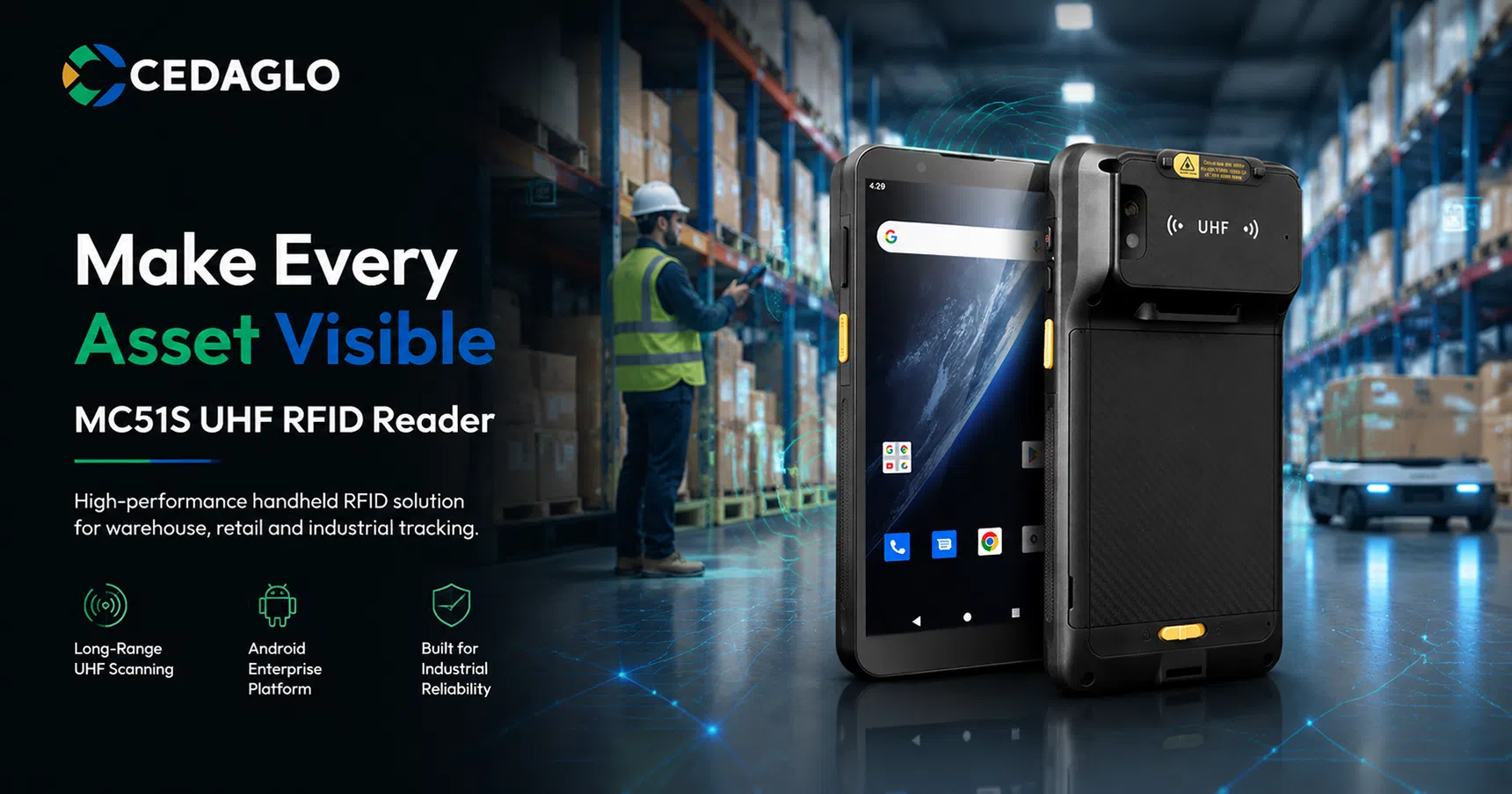
One Platform, Barcode to 30-Meter UHF — Configured to the Task.
Read 1,300 tags a second. Reach past 30 meters. Or slip built-in UHF into a pocket — the same Zebra and Impinj parts, at a materially lower cost per unit.
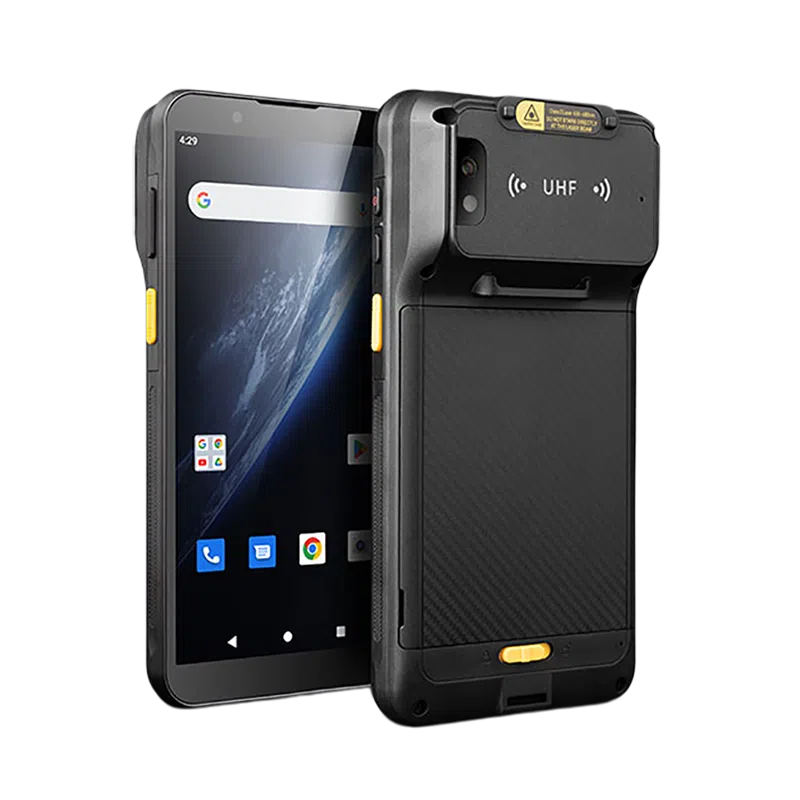
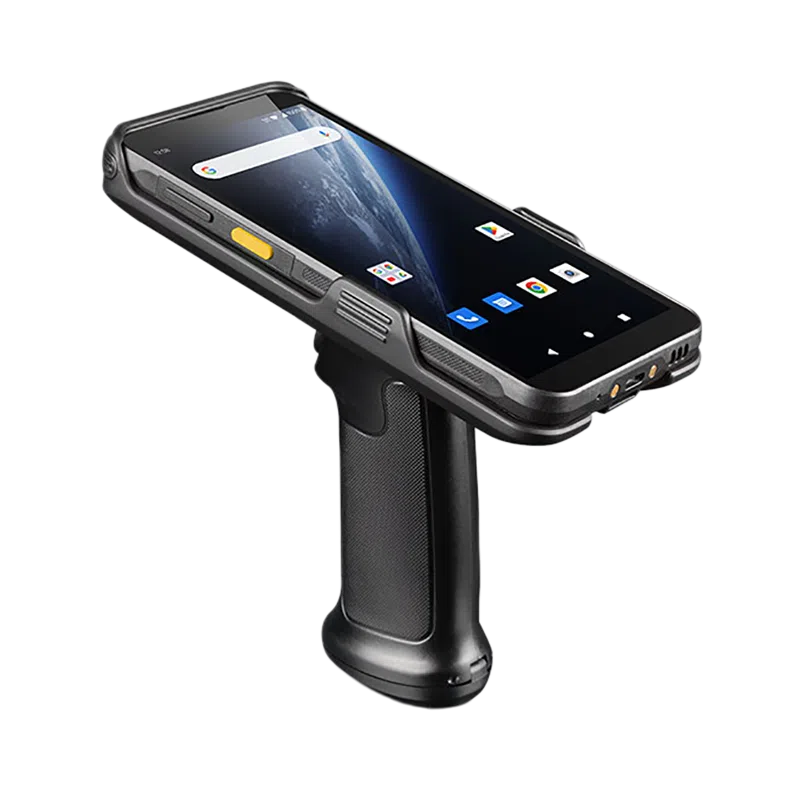
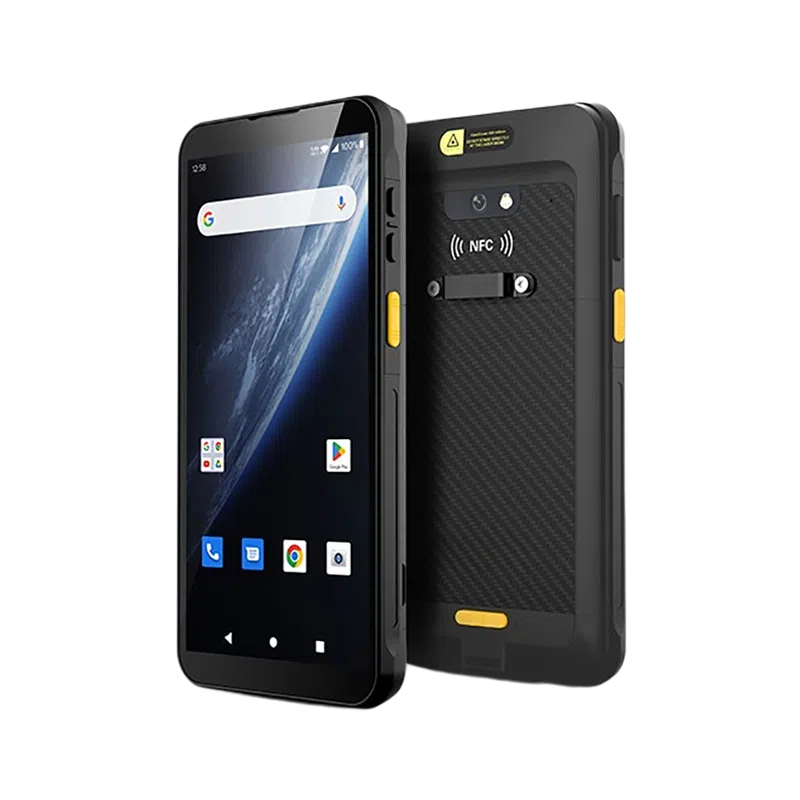
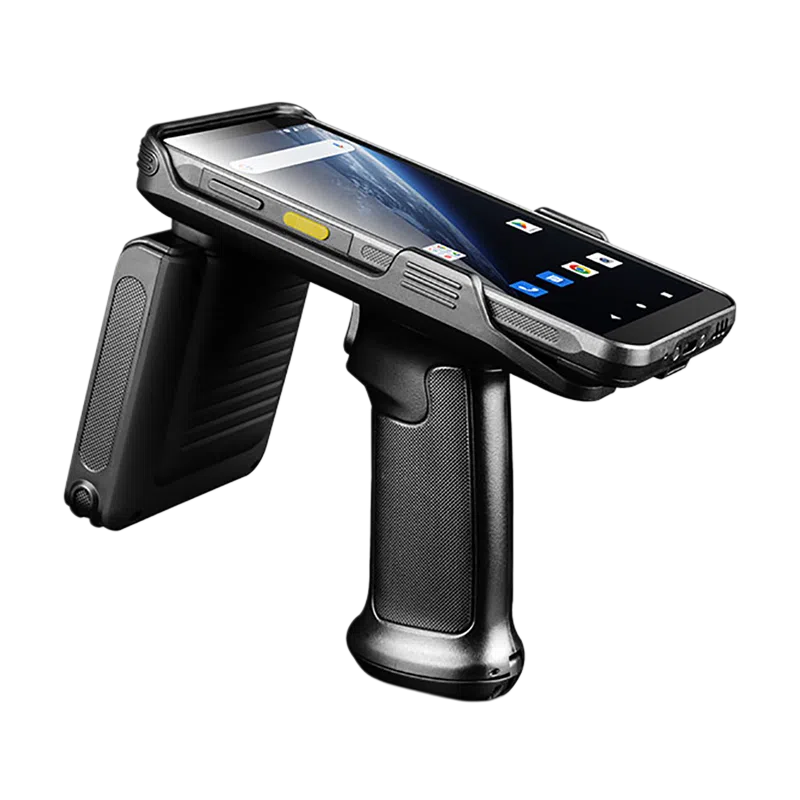
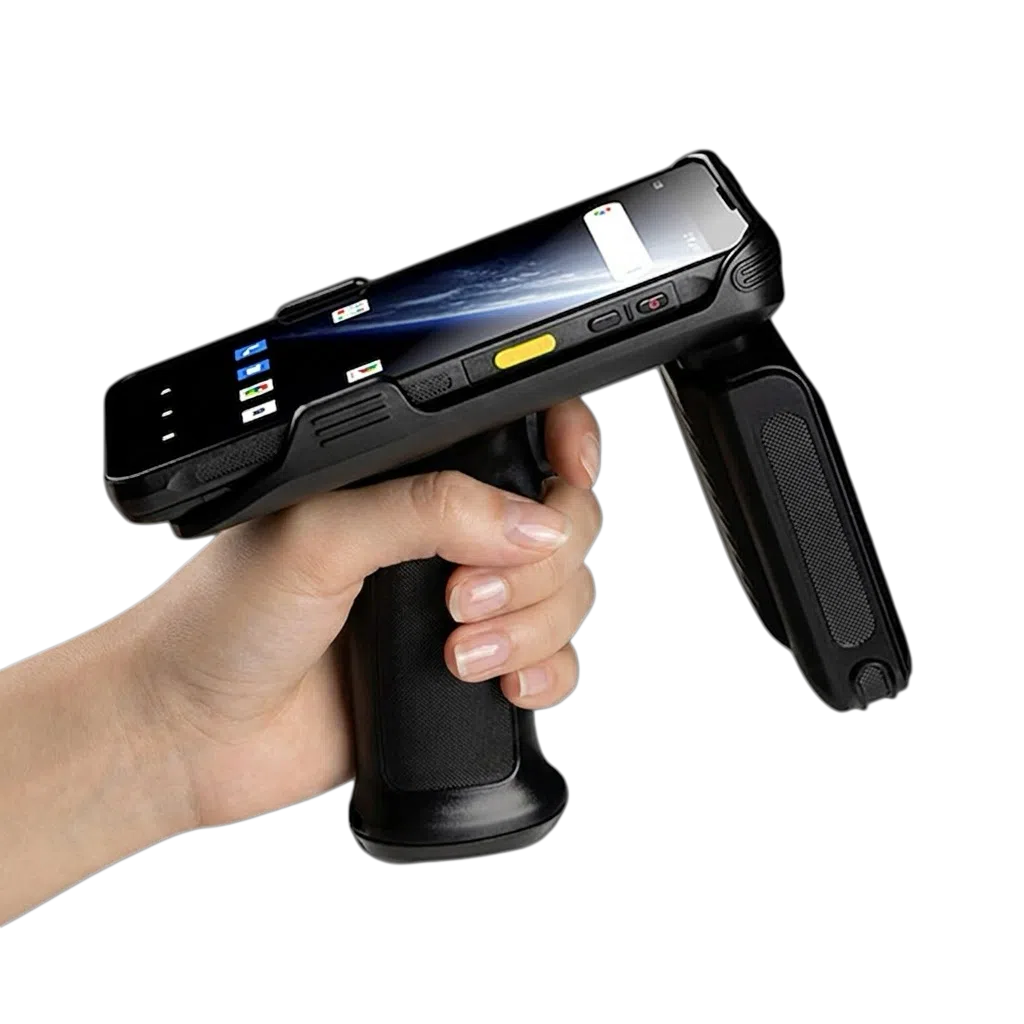
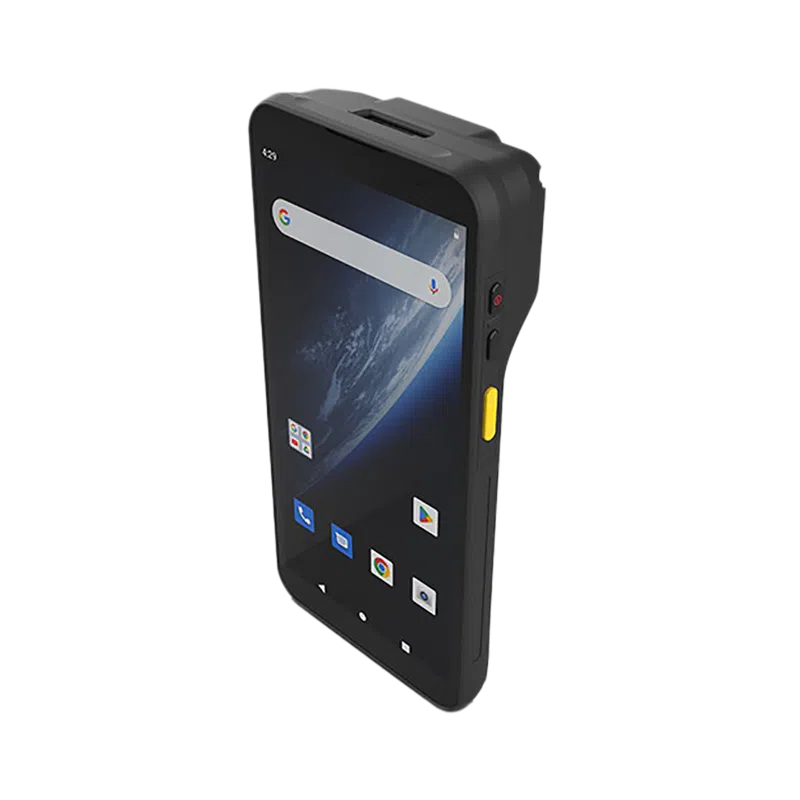
The MC51S is one 6-inch Android 16 device you configure to the job: bare for barcode-first work, a detachable pistol grip for scan-intensive shifts, built-in UHF for close-range reads, or a long-range sled that clears 30 meters. Inside sit a self-developed Impinj E-series UHF module and a choice of Zebra SE4710, SE55 or CM60 scan engines — the components a Zebra TC27 or Honeywell CT47 would carry. Rated IP67 with 1.5 m drop and hot-swap power for full-shift use. Spec it against an RFD9090 or a CT47, then compare the quotes.
- Impinj E-SeriesUHF module, Gen2X
- Zebra Scan EnginesSE4710 / SE55 / CM60
- 4G LTEGlobal LTE bands
- Wi-Fi 5Optional Wi-Fi 6, fast roaming
- IP67 · 1.5 m DropMIL-STD-810H
- Android EnterpriseRecommended, GMS
- Hot-Swap Battery5,000 mAh, QC3.0
- Gorilla Glass 3Glove & wet-touch
- NFCISO 14443 A/B, 15693
- EPC C1 Gen2ISO 18000-6C
- Tag PositioningPrecise RFID location
- Google AERAndroid 16 certified
Overview
Warehouse and inventory teams face a familiar split: barcode handhelds are affordable but blind to RFID, while dedicated UHF readers do one job and cost accordingly — so most operations end up buying and managing two separate device lines.
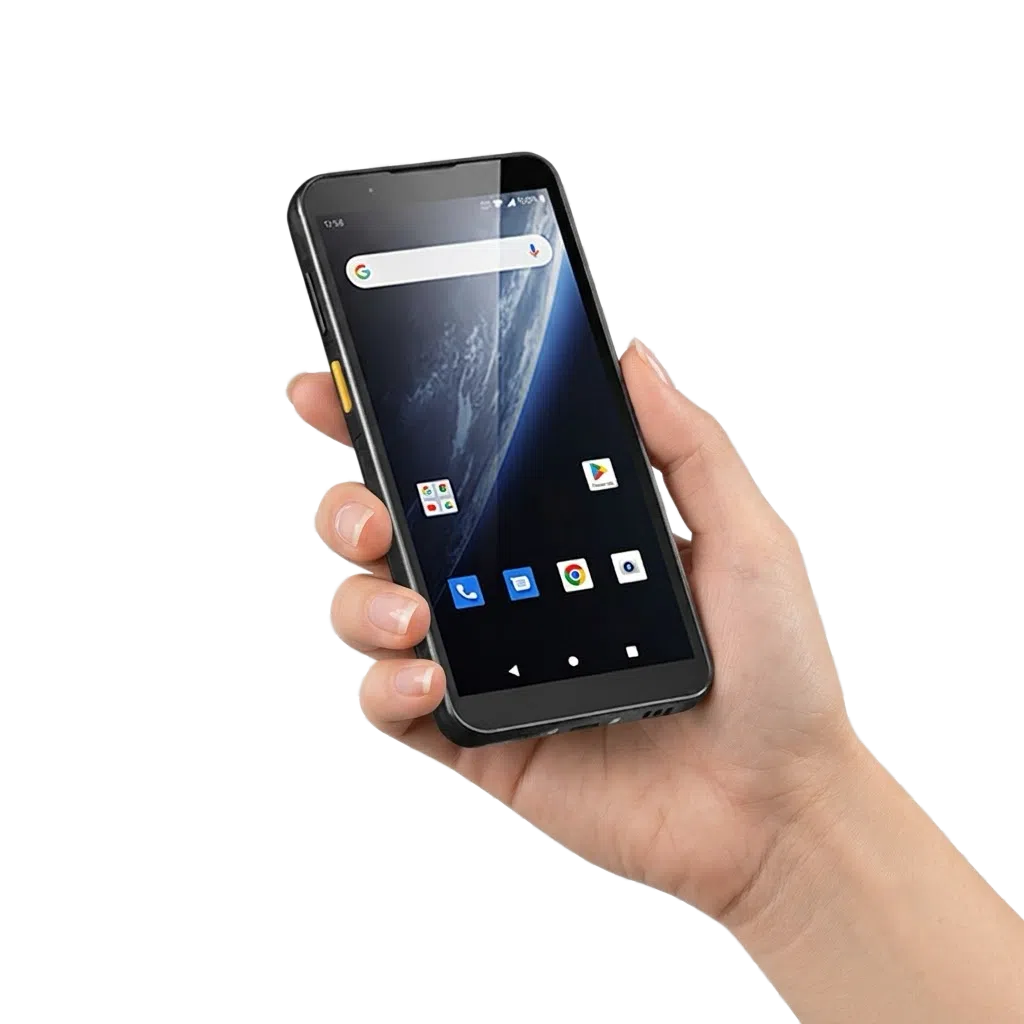
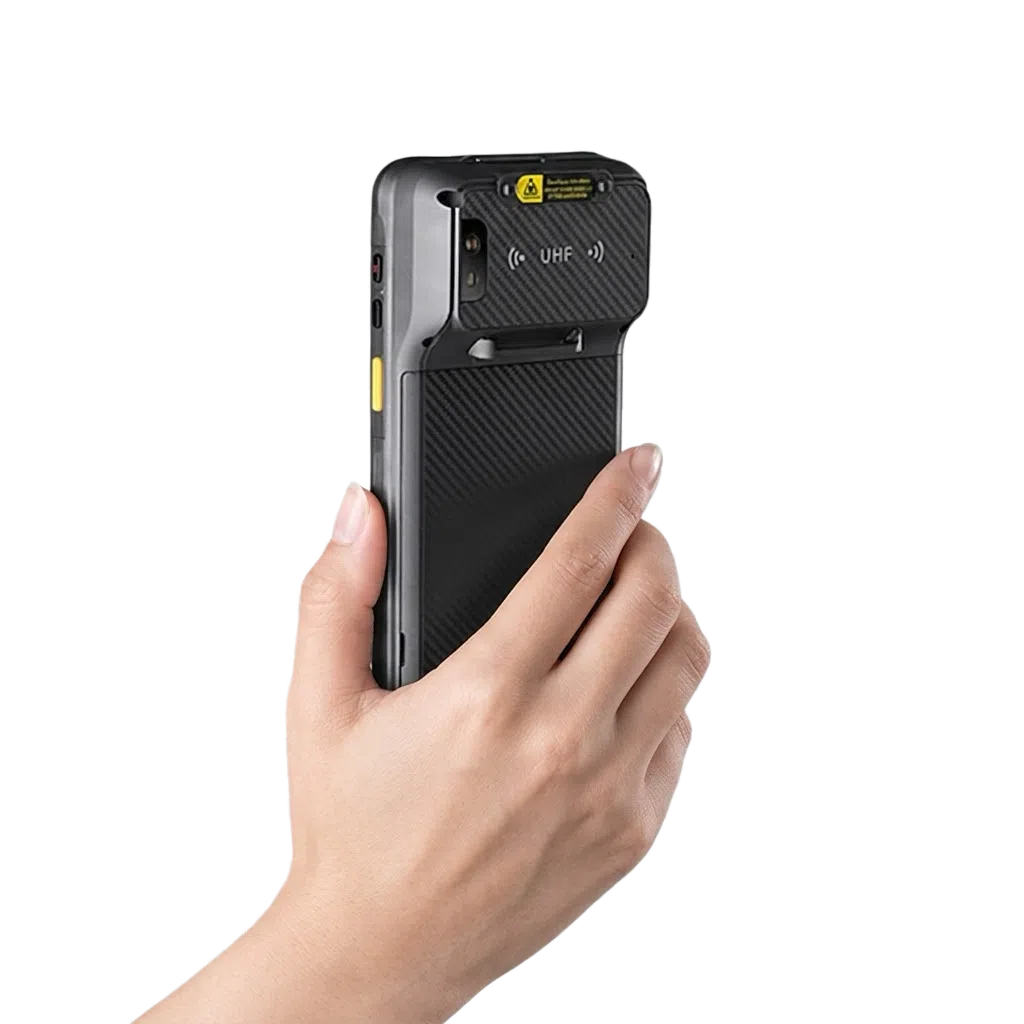
The MC51S collapses that split into one platform. The standard unit runs barcode-first workflows at 297 g; add a detachable pistol grip for scan-intensive shifts; choose built-in UHF to read tags up to 5 m from a pocket-sized body; or mount the long-range sled to clear 30 m and 1,300 tags per second when you need to inventory a full aisle in one sweep.
Capture runs on a self-developed UHF module built on Impinj E-series chips with Gen2X support, paired with a choice of Zebra SE4710, SE55 or CM60 scan engines — the same silicon a Zebra TC27 or Honeywell CT47 carries. A 6-inch display, 4G LTE across global bands, Wi-Fi 5, and a hot-swap 5,000 mAh battery keep it working through the shift, while IP67 sealing and a 1.5 m drop rating hold up on the floor. Android 16 with Google AER certification brings enhanced security and long-term OS support on a Qualcomm long-lifecycle platform. Explore the full range of handheld RFID readers.
Key Features
Built for enterprise workloads
- Octa-core 2.8 GHz processor
- 4G LTE across global bands
- Wi-Fi 5 (ac), fast roaming
- 6-inch display, gloves and wet touch
- Android 16, Google AER certified
Holds up, stays working
- IP67 sealed, 1.5 m drop to concrete
- Hot-swap 5,000 mAh smart battery
- 1,000 tumbles, −20 °C to 50 °C
- Corning Gorilla Glass 3 touch panel
- Android 16, Google AER certified
One platform, every read range
- Impinj E-series UHF, Gen2X speed
- 1,300 tags/s, 30 m+ on the sled
- Built-in UHF reads up to 5 m
- Zebra SE4710, SE55, CM60 engines
- NFC and precise tag positioning
Features & Functions at a Glance
Choose Your Configuration
| Feature | MC51S Standard | MC51S + Pistol Grip | MC51S Built-in UHF | MC51S UHF (Pistol + Sled) |
|---|---|---|---|---|
| Best for | Barcode-first workflows | Scan-intensive shifts | Close-range, one-handed reads | Long-range inventory, yards & docks |
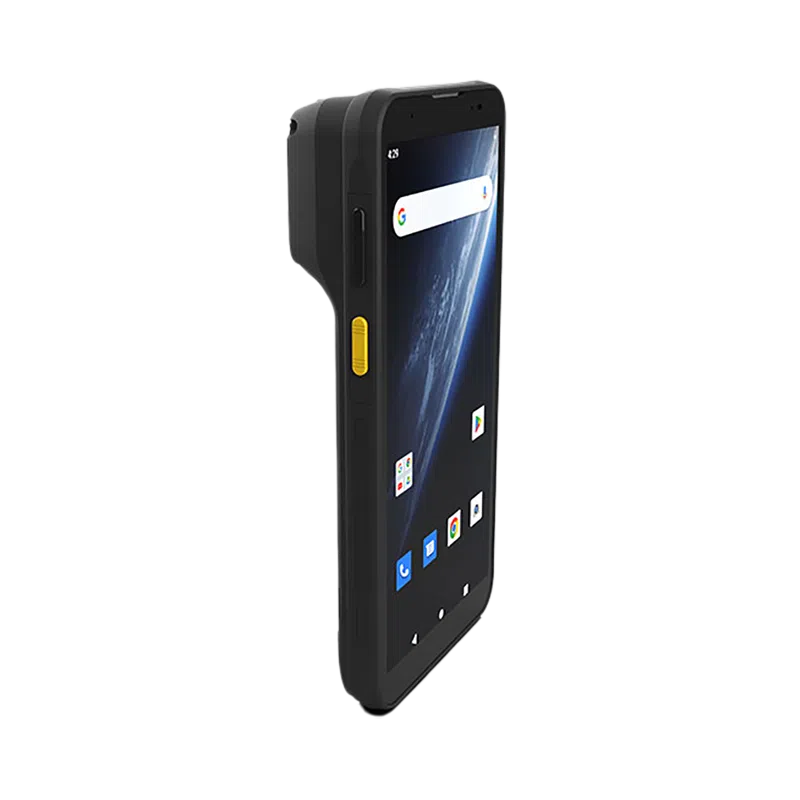
| Form factor | Phone-sized, 297 g | Phone-sized + grip | Pocket-sized, 323 g | Pistol-grip sled |
| UHF RFID | Optional sled | Optional sled | Built-in, up to 5 m | Sled, up to 30 m |
| UHF read rate | — | — | 750+ tags/s | 1,300+ tags/s |
| UHF antenna | — | — | Integrated | Circular polarized |
| UHF power | — | — | +5 to +30 dBm | 1 W (2 W optional) |
| Impinj Gen2X | With sled | With sled | ✓ | ✓ |
| Barcode scanning | ✓ optional | ✓ optional | ✓ optional | ✓ optional |
| 4G LTE / Wi-Fi 5 | ✓ | ✓ | ✓ | ✓ |
| NFC | ✓ | ✓ | — | ✓ |
| Display | 1440 × 720 | 1440 × 720 | 1440 × 720 (2160×1080 optional) | 1440 × 720 |
| Pistol grip | Not included | Detachable | Not supported | Detachable |
| Battery | 5,000 mAh | 5,000 mAh | 5,000 mAh | 5,000 + 5,200 mAh |
| Weight | 297 g | — | 323 g | 707 g |
Compatibility — Standard and Pistol Grip units accept an optional UHF sled. The Built-in UHF version does not support the pistol grip. The pistol-grip sled adds a second 5,200 mAh battery in the grip. NFC is available on all configurations except Built-in UHF.
Scan engine options: Zebra SE4710, SE55, CM60. UHF module built on Impinj E-series chips with Gen2X. Barcode scanning is optional on all configurations. Read ranges measured outdoors in low-interference conditions; actual range varies with tag and environment.
Engineered to Expand
UHF that fits your pocketThe built-in module reads tags up to 5 m from a phone-sized body — no sled required.
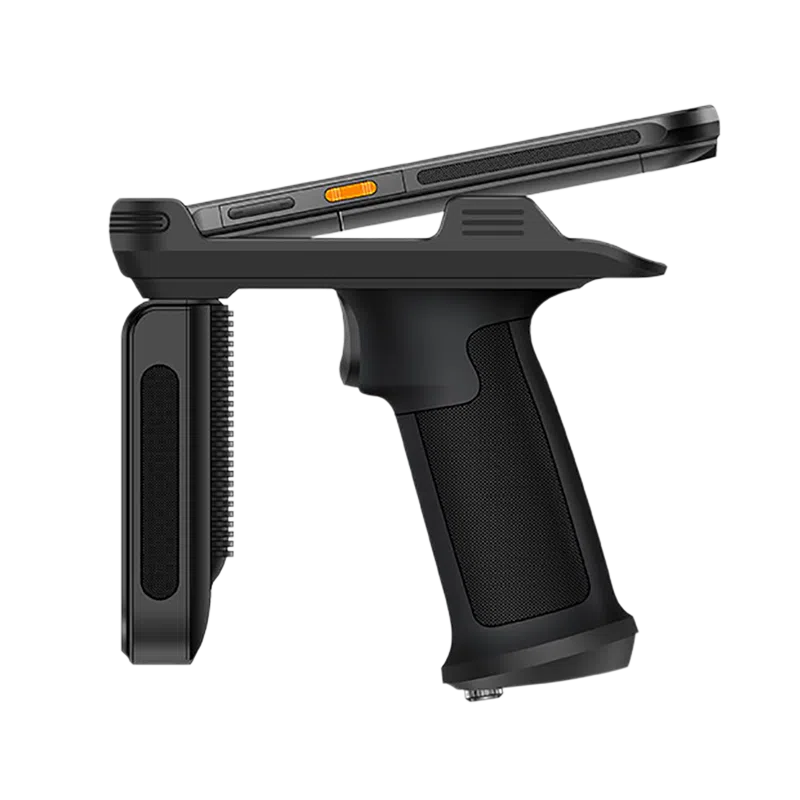
Detachable in secondsThe pistol-grip sled clips on for long-range shifts and off when you need a pocket-sized unit.
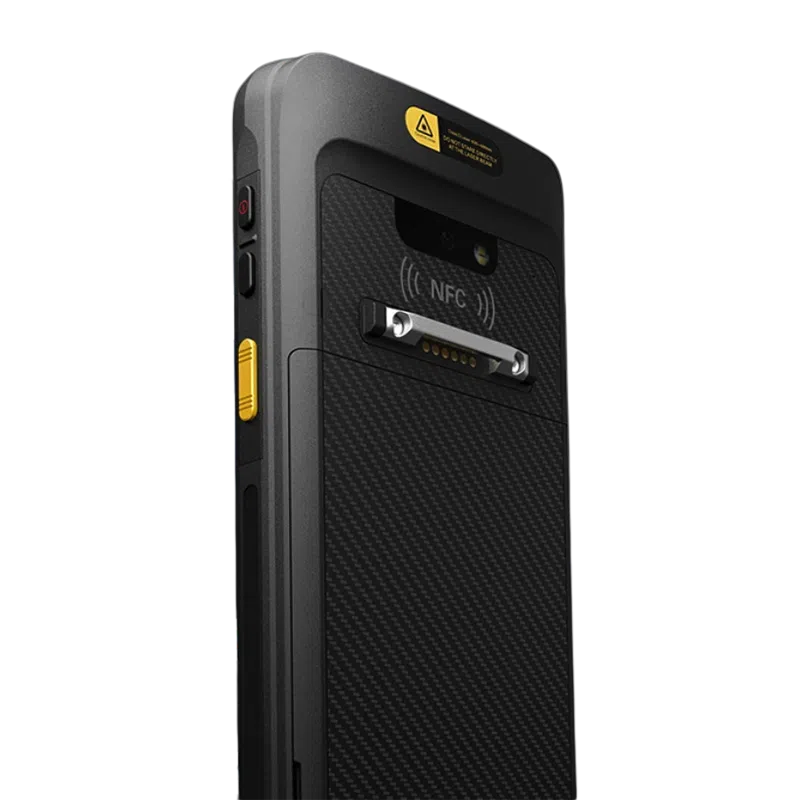
Built to expandRear pogo-pin contacts and NFC connect the grip, sled and charging cradle without cables.
Specifications
Physical Characteristics
- Dimensions
- 161.0 × 77.8 × 15.5 mm / 6.34 × 3.06 × 0.61 in (standard & built-in). UHF sled: 165.0 × 83.8 × 138.0 mm / 6.50 × 3.30 × 5.43 in
- Weight
- 297 g / 10.48 oz standard; 323 g / 11.39 oz built-in UHF; 707 g / 24.94 oz with UHF pistol sled (device with battery)
- Display
- 6-inch high-definition display (18:9), 1440 × 720; 2160 × 1080 optional on built-in UHF
- Battery
- 5,000 mAh removable main battery, hot-swap, QC3.0 and RTC, Battery Management System. Optional 5,200 mAh pistol-grip battery on the UHF sled
- Touch panel
- Corning Gorilla Glass 3, multi-touch; gloves and wet hands supported
- Notification
- Sound, LED indicator, vibrator
- Interfaces
- USB Type-C, USB 3.1, OTG
- Card slot
- 1 for SIM; 1 for SIM or TF card; eSIM optional
- Audio
- 2 microphones (1 for noise cancellation); 1 speaker; 1 receiver
- Keypad
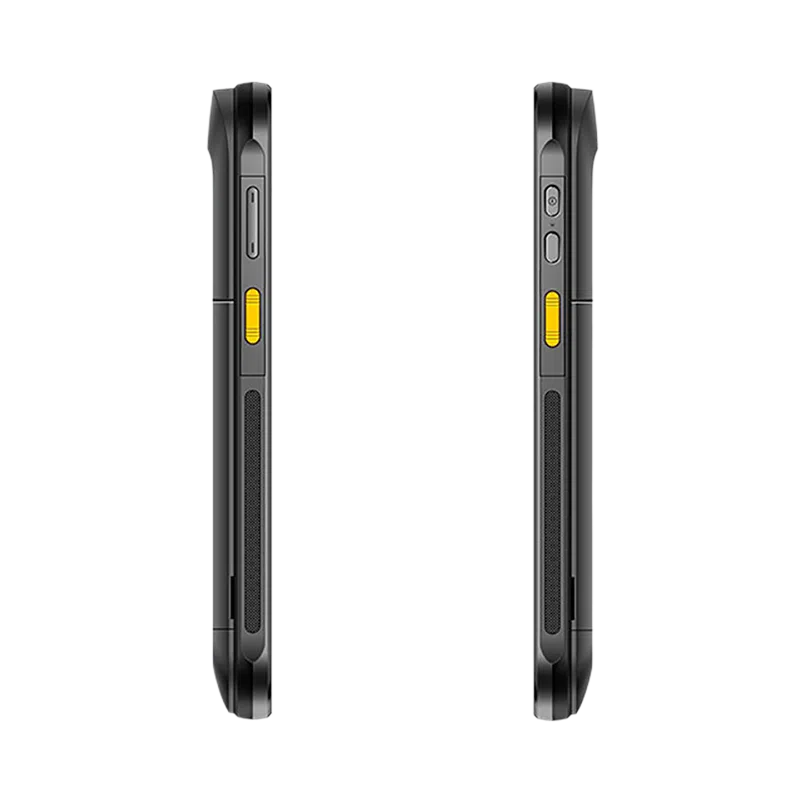
- Power key, 2 scan keys, volume (+/−) keys, 1 multifunction key
- Sensors
- G-sensor, proximity, light, geomagnetic, gyroscope
Communication
- WLAN
- 802.11 a/b/g/n/ac; optional Wi-Fi 6; fast roaming supported (PMKID caching, 802.11r, OKC)
- WWAN (Global)
- 2G: GSM/EDGE/GPRS (850/900/1800/1900) · 3G: WCDMA (B1/B2/B4/B5/B8) · 4G: FDD-LTE (B1/B2/B3/B4/B5/B7/B8/B12/B13/B17/B20/B25/B26/B28A/B28B), TDD-LTE (B34/B38/B39/B40/B41)
- Bluetooth
- Bluetooth 5.0 (optional 5.1)
- Vo-LTE
- Supports Vo-LTE HD video voice call
- GNSS
- GPS, BeiDou, GLONASS, Galileo; AGPS; L1+L5 dual-frequency positioning (standard & built-in UHF)
Performance
- CPU
- Qualcomm octa-core, 2.8 GHz
- RAM + ROM
- UFS: 4 GB + 64 GB / 8 GB + 256 GB (optional)
- Expansion
- Supports up to 256 GB TF card (Extreme Micro SD 512 GB supported)
UHF RFID
- Engine
- Based on Impinj E-series chips; Impinj Gen2X supported
- Frequency
- 865–868 MHz / 920–925 MHz / 902–928 MHz
- Protocol
- EPC C1 Gen2 / ISO 18000-6C
- Antenna
- Circular polarized (sled); integrated module optional (built-in)
- Power
- Sled: 1 W (+5 to +30 dBm adjustable), 2 W optional. Built-in module optional: +5 to +30 dBm adjustable
- Fastest read rate
- 1,300+ tags/sec (sled); 750+ tags/sec (built-in module optional)
- Max read range
- Up to 30 m (sled); up to 5 m (built-in module optional)
- Positioning
- Precise RFID tag positioning (sled)
* UHF is optional. Ranges measured outdoors in low-interference conditions; rate measured in a laboratory low-interference environment — both are affected by tags and environment. Built-in UHF version does not support the pistol grip.
Barcode Scanning
- 2D scanner
- Zebra SE4710, SE55, CM60
- 1D symbologies
- UPC/EAN, Code128, Code39, Code93, Code11, Interleaved 2 of 5, Discrete 2 of 5, Chinese 2 of 5, Codabar, MSI, RSS, etc.
- 2D symbologies
- PDF417, MicroPDF417, Composite, RSS, TLC-39, DataMatrix, QR code, Micro QR code, Aztec, MaxiCode; postal codes: US PostNet, US Planet, UK Postal, Australian Postal, Japan Postal, Dutch Postal (KIX), etc.
* This function is optional.
NFC
- Frequency
- 13.56 MHz
- Protocol
- ISO 14443 A/B, ISO 15693, NFC-IP1, NFC-IP2, etc.
- Chips
- M1 card (S50, S70), CPU card, NFC tags, etc.
- Range
- 2–4 cm
* Built-in UHF version does not support NFC.
Camera
- Rear camera
- 16 MP autofocus with flash
- Front camera
- 5 MP
User Environment
- Operating temp.
- −20 °C to +50 °C / −4 °F to 122 °F
- Storage temp.
- −40 °C to +70 °C / −40 °F to 158 °F
- Humidity
- 5% RH – 95% RH, non-condensing
- Drop specification
- Multiple 1.5 m / 4.92 ft drops to concrete across the operating temperature range. MIL-STD-810H (SGS test): multiple 1.5 m / 4.92 ft drops to concrete across the operating temperature range
- Tumble specification
- 1,000 × 0.5 m / 1.64 ft falls at room temperature
- Sealing
- IP67 per IEC sealing specifications (host)
- ESD
- ±15 kV air discharge; ±8 kV conductive discharge
Developing Environment
- Operating system
- Android 16 (upgradable to Android 18+)
- SDK
- CedaGlo Software Development Kit
- Language
- Java
- Tool
- Eclipse / Android Studio
Optional Accessories
- Accessories
- USB cable, adapter, charging cradle, rugged rubber boot, etc.
* See details in the Accessory Guide.
Specifications are configuration-dependent; performance figures apply only to the versions noted. Contact us for a configuration quote.
Where the MC51S Works

Long-range inventory, one sweep
- Clear full aisles from 30 m
- 1,300 tags per second
- Pistol grip for all-shift comfort
The MC51S edge: one pass down the aisle replaces a cart and a clipboard.

Pocket-sized stock accuracy
- Built-in UHF reads to 5 m
- One-handed cycle counts
- No sled, no extra hardware
The MC51S edge: RFID counts without changing how staff already work.
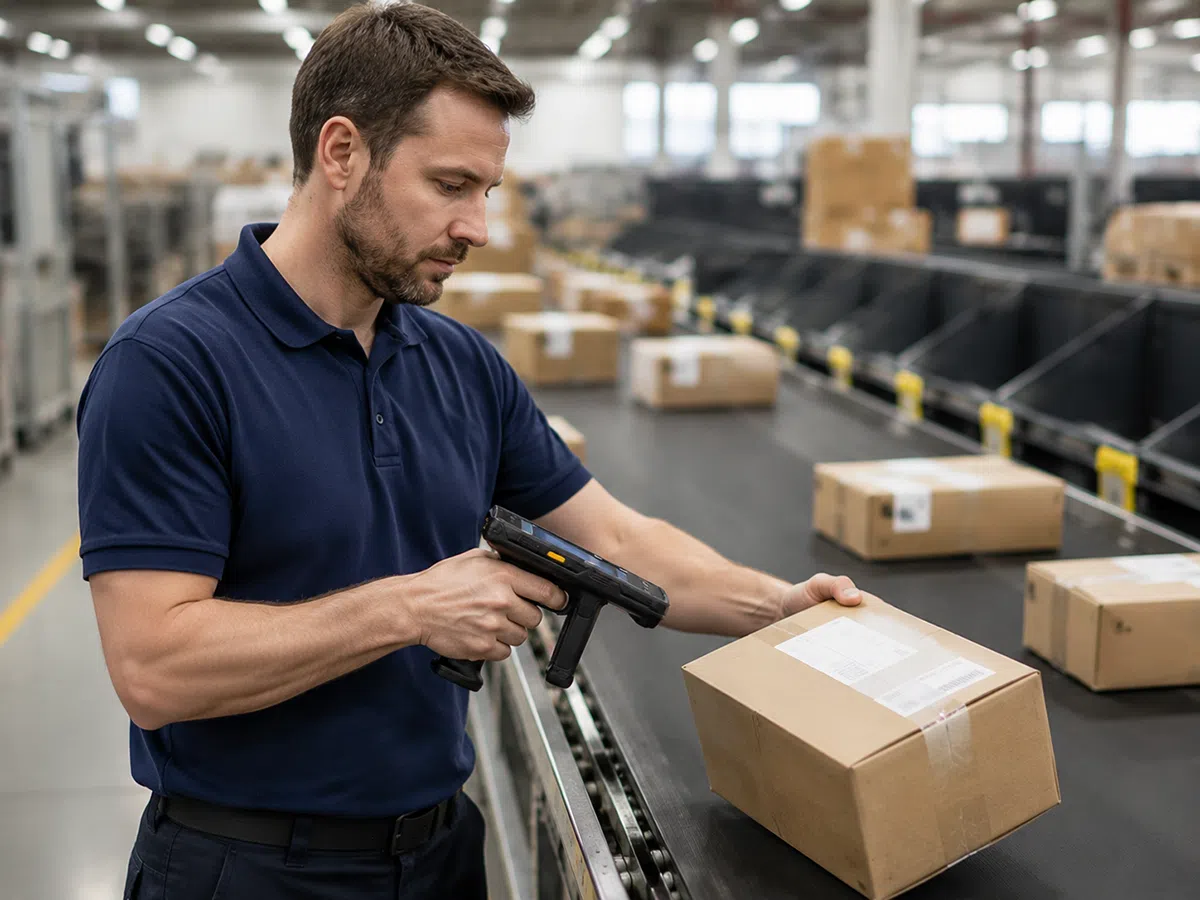
Faster sort, fewer misreads
- Zebra engines read damaged labels
- Pistol grip for high-volume scans
- Hot-swap power across shifts
The MC51S edge: batteries swap mid-shift, the line never stops.
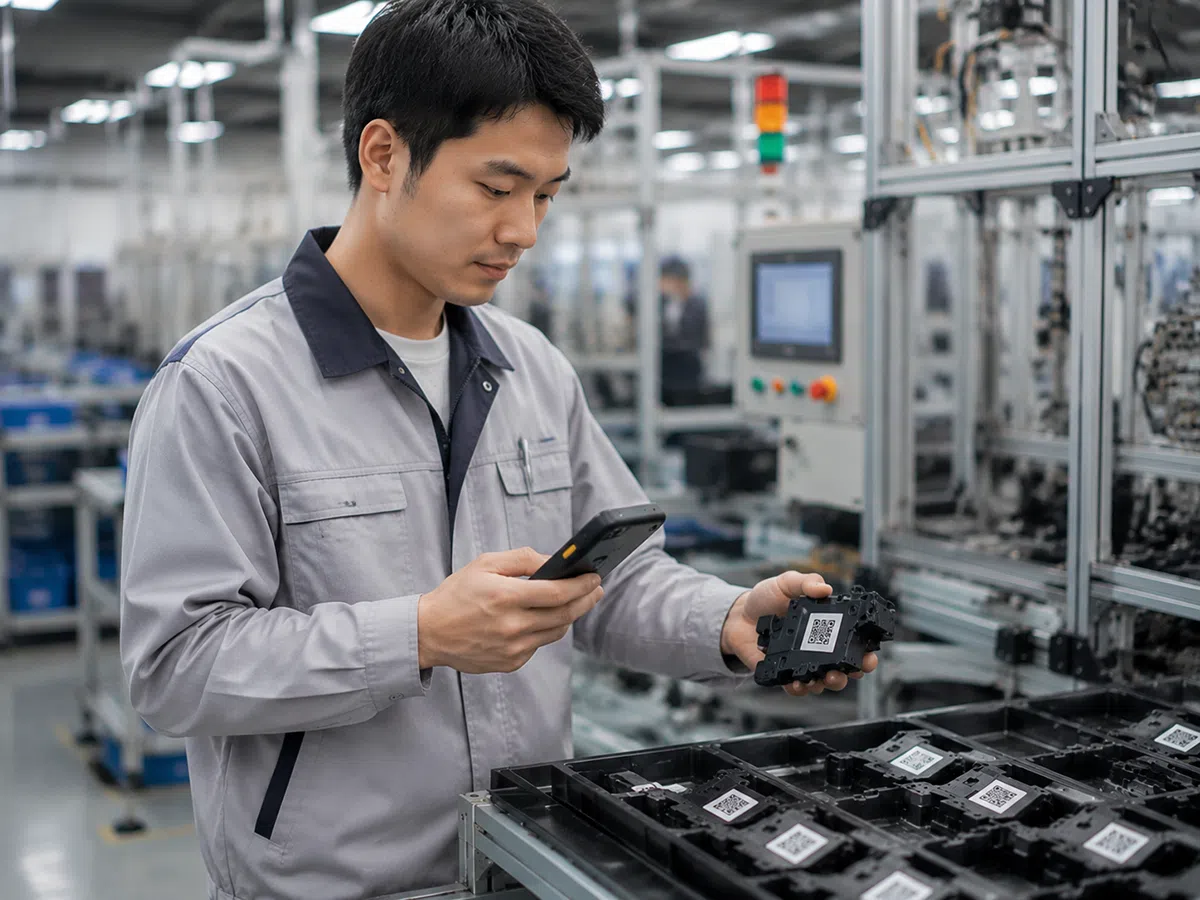
Traceability on the line
- Track components tag by tag
- 6-inch screen for MES data
- IP67 against dust and coolant
The MC51S edge: shop-floor rugged, office-grade compute in one hand.
Why Buy the MC51S From CedaGlo
Priced per unit, not per logo
The same Zebra engines and Impinj UHF silicon, at a materially lower cost per unit — then compare the quotes.
Deployed in minutes
Android 16 with standard SDK tools — sideload your app, stage a fleet, and go from unboxing to a working pilot in days.
Proven before you commit
Evaluation units ship on request — run them on your own labels and workflows before you standardize on a fleet.
Budget it like infrastructure
Built on a Qualcomm long-lifecycle platform with Android 16 and Google AER — a platform you can plan around, quoted fresh each buying cycle.
Frequently Asked Questions
How does the MC51S perform in the real world, not just the datasheet?
On the pistol-grip sled, the MC51S reads up to 30 m and 1,300+ tags per second in open-field conditions — enough to sweep a full aisle or dock face in one pass. The built-in UHF module reads up to 5 m at 750+ tags per second for close-range, one-handed work. Both run the same self-developed Impinj E-series module with Gen2X that the flagship brands build on. Actual range depends on tag type and environment, which is exactly why we ship evaluation units — so you can measure it on your own labels before you commit.
Which configuration should I choose?
Pick by reach and grip. The UHF pistol-grip sled is built for sweeps: up to 30 m, a 5,200 mAh grip battery, full-shift inventory in yards and docks. Built-in UHF is built for rounds: pocket-sized at 323 g, one-handed, up to 5 m. The Standard and Pistol Grip units stay barcode-first and can take an optional sled later. It is one 6-inch Android 16 device either way — same apps, same MDM profile — so you can mix configurations across a single fleet without doubling your software work.
How does the MC51S compare to a Zebra TC27 or RFD9090?
Open the housings and the parts lists converge: an Impinj E-series UHF module, a choice of Zebra SE4710, SE55 or CM60 scan engines, Android 16 with Google AER, Wi-Fi 5, IP67 sealing and MIL-STD-810H testing — the same components a Zebra TC27 or Honeywell CT47 carries. Where a TC27 or RFD9090 pulls ahead is the ecosystem: device-management suites, published lifecycle dates, multi-year OS commitments. If your fleet is built on those, buy those. If what you need is capture performance, you give up a logo, not a capability — at a materially lower cost per unit.
Is this a disposable purchase, or can I budget it like infrastructure?
Budget it like infrastructure. The MC51S ships on Android 16 with Google AER certification on a Qualcomm long-lifecycle platform, so the fleet you standardize on today stays patched and serviceable for years. Batteries, cradles, grips and sleds are stocked as spares from the same catalog. This is a platform you can plan a multi-year rollout around, not a device you replace next budget cycle.
How do I know the components aren't cheap no-name parts?
Because the parts are named and auditable. Capture runs on a self-developed UHF module built on Impinj E-series silicon with Gen2X, paired with genuine Zebra SE4710, SE55 or CM60 scan engines — mainstream, independently documented components, not proprietary black boxes. The platform is Android Enterprise territory with GMS, Android 16 and Wi-Fi 5. You can verify every major component against its manufacturer's own datasheet, and you can run evaluation units on your own workflows before you buy a single fleet unit.
What happens after the sale — support, spare parts, and repairs?
This is the question that separates a device from a deployment, and it's the fair one to ask of any supplier outside your home market. Three commitments back the MC51S: built on a Qualcomm long-lifecycle platform with Android 16 and Google AER, so the units you standardize on today stay patched and serviceable for years — you're buying a platform, not a one-off. Spare batteries, cradles, grips and boots ship from the same catalog as the device, not a separate supply chain. And because capture runs on mainstream Zebra scan engines and Impinj UHF silicon — not proprietary parts — the components inside are industry-standard and independently documented. Request evaluation units, run them on your own labels and workflows, and put the support terms in front of your team before you commit to a fleet.
Related Products
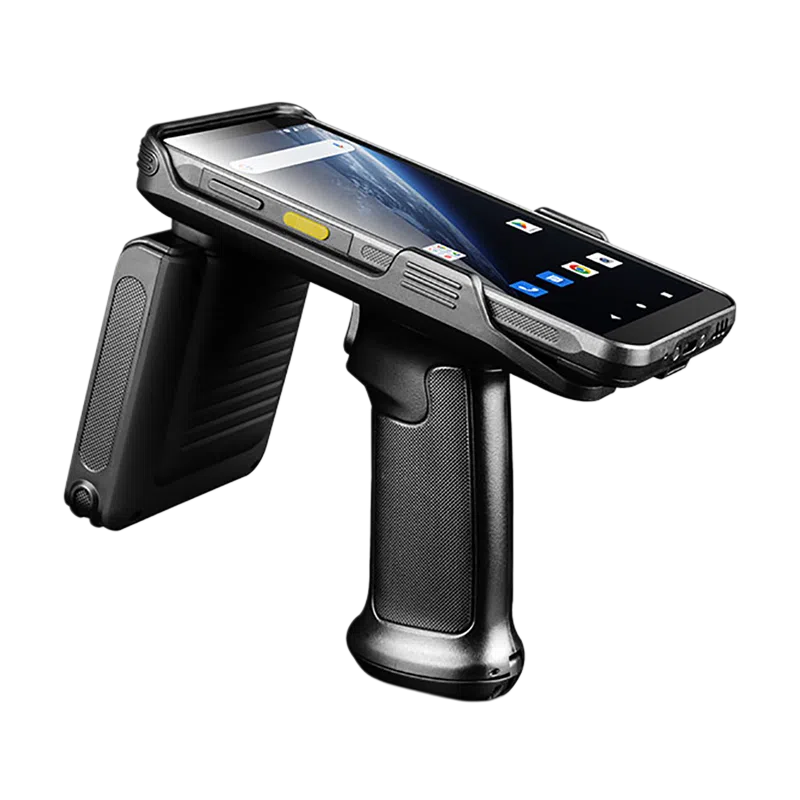
MC51 Handheld UHF RFID Reader | Android 14
5G handheld UHF RFID reader, four configs: 30 m pistol-grip sled or pocket-sized built-in UHF. 1,300 tags/s, Impinj Gen2X, Android 14, IP67.
View Details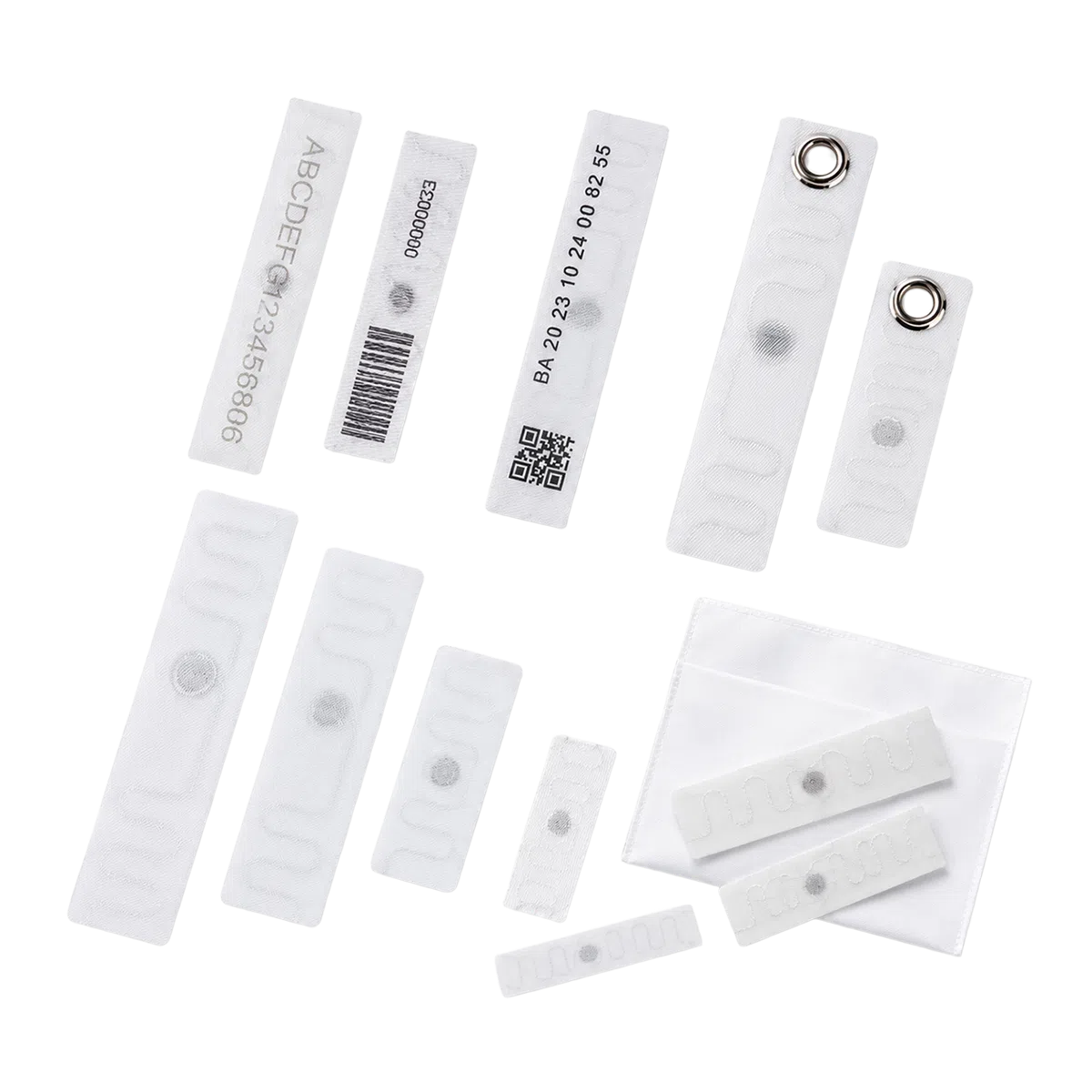
UHF Textile Laundry Tags for Linen & Uniform Tracking
Durable washable RFID laundry tags from CedaGlo for hotel linen, hospital textiles, workwear, commercial laundry and garment management.
View Details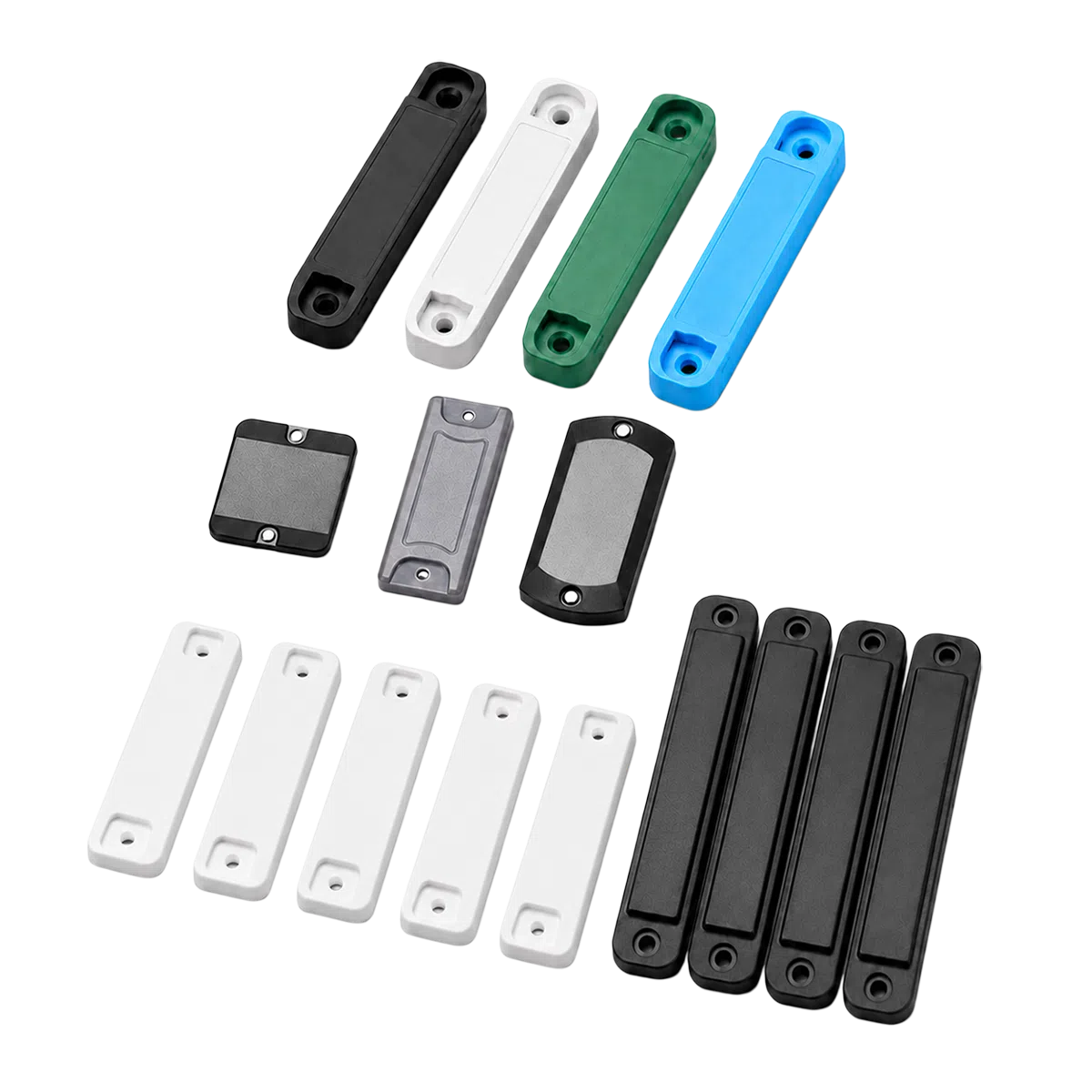
ABS UHF Anti-Metal RFID Tags for Industrial Asset Tracking
Durable on-metal RFID tags from CedaGlo for asset management, warehouse racks, tools, data centers, utilities and equipment tracking.
View Details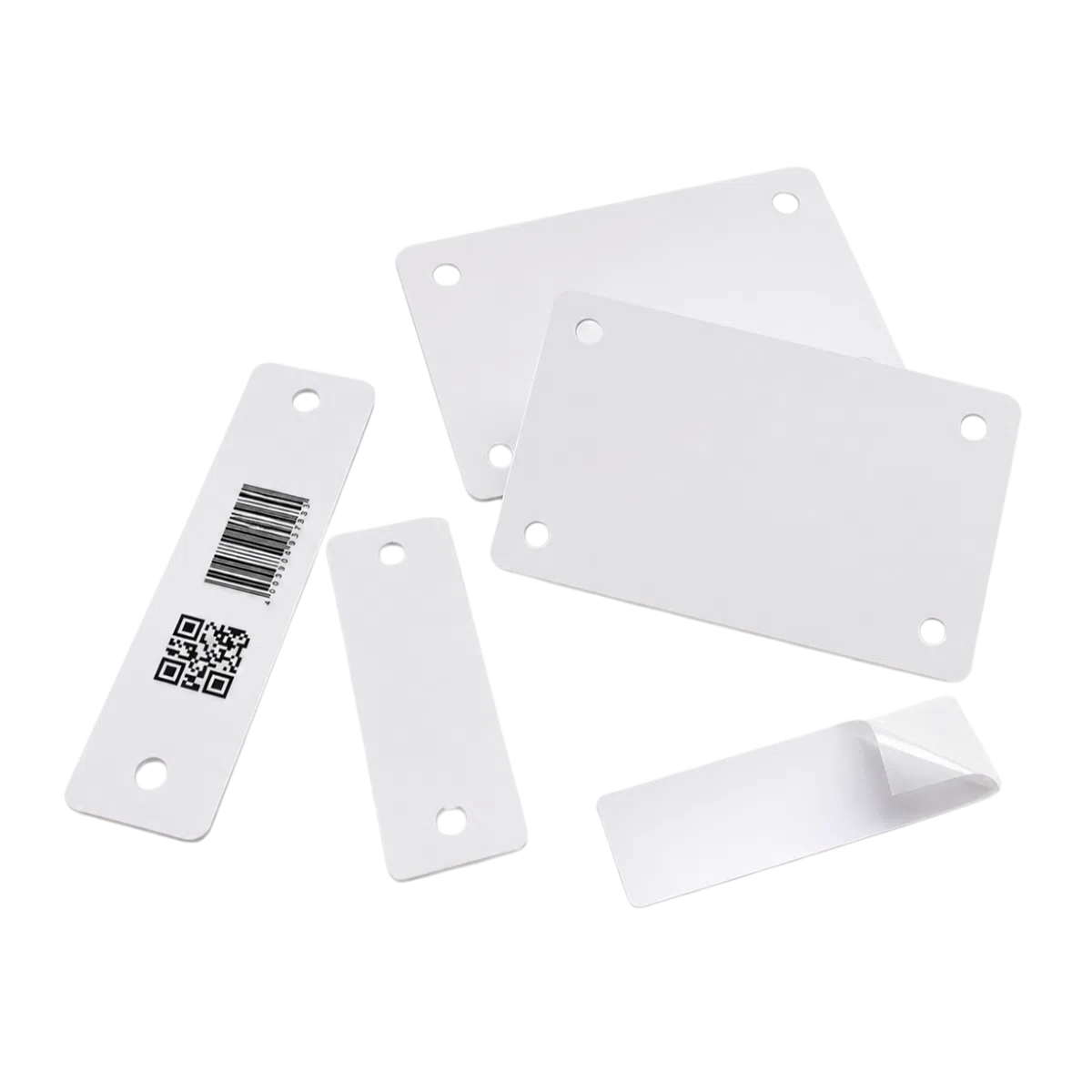
Custom UHF RFID Asset Cards for Asset Tracking
CedaGlo custom UHF RFID asset cards for pallets, bins, tools & warehouse assets — EPC Gen2, barcode, QR code, serial printing & multiple mounting options.
View DetailsSpec It Against Your Shortlist. Then Compare the Quotes.
The MC51S carries the same Zebra scan engines and Impinj UHF silicon as a Zebra TC27 or Honeywell CT47, built on a Qualcomm long-lifecycle platform with Android 16 and Google AER — at a materially lower cost per unit. Put evaluation units on your own labels and workflows before you commit a single fleet order.